Review Article | Volume 4 - Issue 1 | Article DOI :
Download PDF
Michael Okoronkwo1*, Russell J Ledet2#, Allison Smith1#, Ariel Harrison3 , Stacey Rhodes1 , Keyanna Varnado4 , Oluremi Omotayo5 , Micheala Banks1 , Irene Obika6 , Linda Bett6 , Josh Deblieux1 , Brian Washington7 , Pierre Detiege1 , Peggy Honore7 , Rhan Bailey1#
1University Medical Center New Orleans, Louisiana State University Health New Orleans School of Medicine, USA
2University Medical Center New Orleans, Tulane University School of Medicine, USA
3University of Texas Health Science Center, Department of Management: Policy and Community Health, USA
4Louisiana State University Health Sciences Center Lafayette, Family Medicine Residency Program, USA
5Louisiana State University Health New Orleans, Obstetrics & Gynecology Residency Program, USA
6International University of the Health Sciences, School of Medicine, West Indies
7School of Public Health, Louisiana State University Health New Orleans, USA
Corresponding Author:
Michael Okoronkwo, University Medical Center
New Orleans, Louisiana State University Health New Orleans School of
Medicine, USA
Keywords
Racial trauma. Black males. Violence. Strength-based intervention. Resilience.
Abstract
Background: Black male violence is a public health crisis related to childhood complex trauma. Racial trauma operates as complex trauma. Strengthbased intervention (SBI) is modern to resilience science, where the injured’s culture, identity, and environment frame intervention base. Retrospective designs demonstrate promise of SBI in interrupting violent internalizations and externalizations of Black male youth reporting racial trauma. Review objective was to identify and review evidence-based prospective and clinical trials which assess resilience to violent activity of Black male teenagers exposed to racial trauma using SBI.
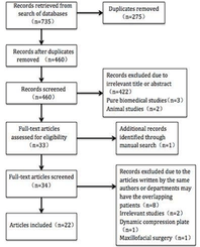
Methods: Two investigators completed independent primary reviews of eight databases according to PRISMA guidelines to synthesize literature to undergo full-text secondary review for inclusion criteria screening. A standardized search protocol was established.
Results: 553 studies underwent primary review screening. 0 studies met complete inclusion criteria. However, extrapolating insight suggests ethnic identity development and Black manhood vulnerability awareness in the teenage period of Black males as critical interrupters in the evolution of Black male violent activity in environments of racial trauma. Strength-based interventions may have promise targeting this factor.
Conclusion: Although literature advocates for strength-based intervention to mitigate violence amongst Black male youth exposed to racial trauma, there is scarcity of advanced studies analyzing this relationship to best inform health and policy’s pursuit in addressing the prevailing interaction of Black male violence and racially traumatized environments. Scholarly contributions assessing SBIs on Black male adolescents is needed to contribute data guiding best practices promoting resilience to violent activity of Black males in underserved environments.
Limitations: This review is limited by databases made available from affiliate library of primary investigator, search protocol which assumes generalizability, and over/under sight of aim capture by bias or imprecise methodology.
Funding: Funding of this review is by the Louisiana Health New Orleans Department of Psychiatry
INTRODUCTION
Complex Trauma
Ecologic environment during early stages of development shapes later year health standing [1]. Confronted by high American mortality related to maladaptive behavior and lifestyle factors, 21st century scientists began to explore neuro-hormonal dynamics which associate childhood experience to adult heath profile [2][3]. Such scholarship has enhanced our regard of traumatic life exposures and maladaptive behavioral health [4]. Interdisciplinary efforts continue to clarify the conceptualization of trauma, from which distinctions between trauma and complex trauma was transcribed. Trauma forms from single adverse events typically from random sources. Complex trauma operates via cumulative and redundant adverse experiences from sources in which the victim anticipated safety and protection from, such as family and governing bodies [5]. This breach results in significant emotional disturbance, which is moderated by immature pediatric brain architecture [6]. Complex trauma is linked to adolescent violent activity [7]. Scholars have advanced our understanding of the epidemiologic factors moderating trauma. Such examination defined a distinct form of complex trauma-racial trauma.
Racial Trauma
Black male youth are exposed to the greatest environmental stress of any racial group in America [8,9]. Racism is central to this burden. Four forms of racism contribute to racial trauma: internalized, interpersonal, structural, and systemic [10]. As example, structural racism creates social imbalance in a manner drawing adverse access to adaptive environments and experiences of social regards working towards the Black male, which engineers His ongoing negative bias and predicts His maladaptive expression. This environment disconnects His sense of access to opportunity networks such as education [11]. This intrapersonal trauma provokes feelings of ecologic exclusion, resulting in subculture formations in which relationships and representation are negotiated by behaviors valuing aggression and violence [11]. The psychological trauma of racism leads to invisibility syndrome, in which victims feel their identity and capacity is depreciated by marginalized attitudes from the Majority and discrimination [12]. Scholars call to action Scientist for scientific critique which addresses racial socialisms contributing to poor health of Black male youth [13]. Revolving exposure to racial trauma on the immature and volatile HPA axis of Black male youth results in complex behavioral pathologies for which scholars urge interdisciplinary strategy developments which interfere the impact of racial trauma on Black male youth [12][13][14][15]. Growing literature supports interventions which begin at efficacious states and environments of a patient. Such is believed to root requisite coping capacity capable of adapting to vulnerable states and circumstances with a similarly efficacious affect. Black male affirmational experiences are known to interrupt community violence [16]. However, there is dearth of research which explores this dynamic [17]. As such, strength-based interventional approaches, which affirm, are needed for the Black male community [18].
Coping
Two distinctive coping styles have been identified [19]. Problems-based coping, considered adaptive, acts on self and environment (i.e. cognitive restructuring) to regulate stressors and response. Problems-based coping relates to one’s access to adaptive environmental structures. Problems-based coping evolves from the structural racisms shaping Western socializations with discriminated individual positioning to best environmental networks which prime the shared human expectation to gain control of one’s circumstance with expected progress [20]. Emotions-based coping, considered maladaptive, is impulsive based and reacts to the environment when moderating the stress from one’s individual pursuit to control his or her fluctuating environmental circumstances Psychological symptoms of avoidance and dissociation predominate resulting in redundant traumatic externalizations due to dissociated cumulative trauma internalizations [21]. Black adolescent males who perceive socioeconomic discrimination have been shown to negotiate racial trauma with avoidant/dissociation practices, although such coping is recognized as a perverse method of trauma detachment [22][23]. However, a longitudinal study operationalizing problems-based coping on racially traumatized Black male sixth graders found increased delinquency of this cohort in the eighth grade [22]. The female cohort had reduced two-year delinquency in those both unexposed and exposed with prior life history of witnessed violence. This study highlights the complexities with accurate description of adaptive coping frameworks which specifically benefit Black males. This complexity has exposed unfortunate limits of most noble and just pursuits of best practice models supporting Black male health. The study demanded advanced scholarly review to refine our awareness of therapeutic pathways building services and resources which support the specific dynamics shaping Black adolescent male coping. Scholars argue that lack of such existing innovation has dissolved into various social pathways in which psychosis escalates to violence [22][24][25]. Harnett and Thomas are such who actually regard this scholarly gap as active, operationalized racial trauma. As such, focused study which seeks to prioritize valuation of the Black male perspective in the acknowledged setting of structural racism is called upon to better conceptualize coping dynamics which can best mobilize resilient identities protective of violent outbursts or reactions [26].
Strength-based interventional coping
Strength-based approaches draw from meaningful interests and talents of the client which subconsciously invoke states of self-efficacy and a mental experience at which self-perception lives more so as that of an asset at baseline. Strength-based interventions seek to transfer this efficacious identity to states and experiences less familiar to the client which provoke maladaptive internalizations and externalizations [27]. While traditional coping approaches considered adaptive, such as problems-based coping rely upon client determination to process his or her interaction with trauma, strength-based interventions operate through dynamics of client efficacy which focus on states of client grace and pay less attention to the client’s imperfect interaction with preexisting underserved trauma. Dynamics include music, sports, and other cultural socializations in which members engage in the mental state of esteem and belonging. Such socializations have demonstrated particular success in mitigating maladaptive moods and behaviors in Black male adolescents [28]. Racial trauma depletes self-esteem and compromises cognitive development of Black male youth [28][29]. Strength-based coping mobilizes sources of client self-esteem which bridge cerebral pathways of sustained self-efficacy resilient to ongoing stress burden and maladaptive behavioral expressions. Although a growing body of evidence supports strength-based models for racially traumatized Black male adolescents, there is dearth of literature which examine precise features of those protective psychosocial interactions of adolescent Black males creating the imaginations evolving to identities resilient to pathways leading to violent activity [30-34].
Citation
Okoronkwo M, Ledet RJ, Smith A, Harrison A, Rhodes S, et al. (2022) Literature on strength-based intervention in mitigating internalized and externalized violent activity of Black male teenagers exposed to racial trauma. SM J Trauma Care 4: 8.
METHODS
Primary Review
A systematic approach was used to identify clinical trials and prospective cohort studies which analyze the impact of strength based interventions on internalized and externalized behaviors of Black male teenagers who report exposure to racial trauma. Two investigators, MO and RL, conducted a joint review of all databases made available by Louisiana State University Health Sciences Center Library Database collection. The listed summary describing discipline and content of each database was the primary screening method selected for primary review. Databases which emphasize interdisciplinary scholarship including population health, psychology, and psychiatry were selected for primary review. 8 databases were selected by MO and RL for primary review. Publication time-point was not exclusive. A preset standardized search protocol for primary review (see standard search protocol in table #1) was jointly established by MO and RL (Michael Okoronkwo and Russel Ledet). Racism, trauma, and intervention were standard keywords used in said order to guide primary review search. These keywords were agreed upon as reasonably depicting the order of each phenomenon occurrence: racism (exposure), trauma (outcome), intervention (mediator). This framework sought to achieve optimal conceptualization of review aim with reasonable generalized population agreement [35]. Search modes (see standard search protocol in table #1) was standardized to ‘find any of my search items’ to broaden review aim capture. Primary review databases varied in amount of search expanders made available. Nevertheless, maximum search expanders made available by each respective database was applied in this systematic review. Literature search was limited to those peer-reviewed [36]. Review was limited to clinical trials and prospective cohort study designs to capture literature associated to stronger levels of evidence [37,38]. Acquired literature from the primary review process subsequently underwent full text secondary review independently by MO and RL.
Secondary Review
Literature undergoing secondary review was independently assessed by MO and RL. MO and RL jointly established inclusion and exclusion criteria (see standard search protocol in table #1). Interventions were screened to ensure it operated in the mode of strength-based conceptualization. Strength-based interventions were operationalized as mediation activities which occur in a style and setting that evoke perceptions of capacity of the Black teenage male. This conceptualization is limited by its presumptive generalizability and agreement to the at-large Science community. Research and interventions performed in the United States of America (USA) were only considered to focus review of Black male gun violence in America, and to control for the socioeconomic structure unique to America. Self-identified Black or African American males aged 13-19 at the time of initial strength-based intervention exposure were considered in secondary review. This demographic was required to reflect the majority population in the respective study. Respective studies were required to report population self-reported exposure to racial trauma, or have intentionally conducted the study in communities at risk to poor social determinants of health. Racial trauma operationalized as emotional or mental harm incurred on the individual by encounters with racial bias, discrimination, and racism [39]. Exposure to racial trauma was presumed to reasonably represent internalized burden associated with structural and socioeconomic inequities limiting Black male adolescents, and increasing their risk to violent activity. Racial trauma functioning as proxy of the individual impact of structural and socioeconomic flaws is presumed to have general agreement at large.
However, this presumption presents an acknowledged limit to the design of this systematic review. Exclusion criteria consists of any study including incarcerated populations or participating in court-ordered treatment therapies. These individuals were excluded, in part, to limit observer bias potential from respondents and ethical issues related to convicted populations [40,41]. Studies which included those of hospital-based violence intervention programs (HVIPs) were excluded in this review. HVIPs serve those acutely injured from violence, and functions through a trauma informed care model, which is distinct to the strength-based intervention model [42,43]. Additionally, HVIPs invoke racial trauma in clients due to the setting in which it occurs [44]. Each study satisfying criteria was subjected to the Quality Assessment tool for Quantitative Studies, which is an appraisal tool used to assess study quality and applicability for knowledge synthesis [45,46]. Violent internalized and externalized features with respect to strength-based intervention is the primary outcome. Violent internalized activities are operationalized as intrapersonal mood/attitudes such as anxiety which provoke violent action. Violent externalized behaviors are operationalized as explicit interpersonal violent actions such as assault. These operationalized concepts are limited by presumed generalizability. Each study satisfying criteria was assessed for statistical significance with P value criteria < 0.05 [47]. 0.05 represents a common threshold used in medical and psychology research.
All 8 databases were reviewed multiple times with date of last search 1/23/2022.
Abstracts did not offer method selection. Academic Journal used as publication type.
Psychological and Behavioral Sciences Collection: Did not offer method selection. For publication type, Academic Journal was selected. For document type, article was selected.
Race Relations Abstracts: Only offers apply related words and apply equivalent subjects as search expanders. Race Relations Abstracts did not offer method selection. For publication type, Academic Journal was selected. For document type, article was selected.
Urban Studies Abstracts Only offers apply related words and apply equivalent subjects as search expanders. Race Relations Abstracts did not offer method selection. For publication type, Academic Journal was selected. For document type, article was selected.
Violence and Abuse Abstracts only offer apply related words and apply equivalent subjects as search expanders. Violence and Abuse Abstracts did not offer method selection. For publication type, Academic Journal was selected. For document type, article was selected.
BASELINE SEARCH PROTOCOL ORDER
1. Advanced Search items
A. Racism
B. Trauma
C. Intervention
2. Search modes
A. Find any of my search items
3. Search expanders
A. Apply related words.
B. Also search within the full text of the articles
C. Search within full text
4. Peer reviewed
5. Methods
A. Clinical trial
B. Longitudinal perspective
INCLUSION AND EXCLUSION CRITERIA
Inclusion criteria:
1. Clinical trial or prospective cohort study with strength based intervention.
2. Intervention performed in America.
3. 13-19yo males self-identified as Black or African American at the time of intervention.
4. Majority of study population report exposure to components of racial trauma or study reporting socioeconomic challenged population being studied.
5. Majority of study population is 13-19yo males self identified Black or African American
Exclusion criteria:
1. Study population includes individuals who are actively imprisoned.
2. Study population includes individuals who are participating in a court-ordered program.
3. Study population includes individuals who are participating in a HVIP.
RESULTS
|
Table 2: Literature amount from primary review and literature amount from secondary review.
|
|
Database
|
Primary Review Articles
|
Secondary Review Articles
|
|
APA PsychArticles
|
17
|
0
|
|
APA PsychINFO
|
0
|
0
|
|
Environment Complete*
|
205
|
0
|
|
Peace Research Abstracts*
|
1
|
0
|
|
Psychology
and Behavioral Sciences Collection *#
|
318
|
0
|
|
Race Relations Abstracts*
|
2
|
0
|
|
Urban Studies Abstracts *
|
2
|
0
|
|
Violence and Abuse Abstracts*
|
8
|
0
|
|
TOTAL=
|
553
|
0
|
|
# Modified primary review search strategy applied to Psychology and Behavorial Sciences Collection to increase specificity after 1186 article return. Three additional search items were added in this order: African American, Black, male. Return of modified primary review was 318.
|
CONCLUSION
553 clinical trials and prospective cohort studies were prompted for secondary review after application of standardized and modified search protocols of eight relevant databases reporting peer reviewed literature of systematic review interest aim. No study met inclusion criteria. No study warranted exclusion criteria appraisal. Thus, no clinical trial or prospective cohort study assessing the mitigating impact of strength-based intervention on violent internalizations and externalizations on a majority Black teenage male population exposed to racial trauma was identified.
DISCUSSION
The prevailing epidemic of street violence affecting Black males summoned the scholarly attention to design this focused systematic review [48]. The detail of this review sought to capture precise insight of the Black male’s psychosocial dynamics moderating street violence exposure and activity. Notoriously, its prevalence is charged by adolescent aged exposure/activity [49][50]. Major branches of Science including evolutionary psychology, evolutionary biology, social economics, and environmentalism have independently described the interdependence between human and human environment on human health. However, gaps in interdisciplinary studies which describe the dynamic interaction between human and habitat have been well reported [51]. Recognizing the complex interaction between human behavior and human condition, this review targeted peer-reviewed clinical trials and prospective cohort studies which tested strength-based approach models of violence interruption on Black male teenagers exposed to racial trauma. The biochemical link between stress and stress response was a sensitive hypothesis this review structured as the moderator of Black male violent activity [52]. Therefore, this hypothesis established the outcome of interest for this review: violent internalized and externalized responses. Strength-based interventions are lauded as promising mediating pathways to achieve this outcome [53][54][55] . As such, this review toke specific interest in such interventions on Black teenage males. This review presumed generalized acknowledgement of racial harm which burden Black males. Given the lack of literature capture intended in this review, this gap may suggest ongoing structural forms of racism in which research lacks requisite analysis of Black male psychosocial dynamics affecting His behavior pattern [53][56]. Such analysis can inform healthcare and guide development models for this at-risk population.
Although no literature satisfying review aim was isolated, the review process acknowledged a considerable amount of research analyzing sociodemographic relationships of minority populations. Despite not qualifying for review inclusion, some of these studies presented data applicable to prospective studies which may seek to address the research gap identified in this review. In a predominate female population of Black fifth to eight grade students of an impoverished Chicago neighborhood exposed to a violence intervention program, McMahon et al identified that stronger ties to ethnic identity led to reduced internalized and externalized violent activity and more proactive coping compared to a student’s ties to global self-worth perception [57]. Conversely, stronger senses of global self-worth led to reduced levels of anxiety yet greater beliefs supporting aggression. The authors implicate racial socialization of self esteem conceptualization framed by Western norming which deprives diverse populations of equitable access to requisite structural assets needed for one’s psychologic evolution towards firm self-esteem grasp. Self-esteem socialization has been implicated as a racial inequity dating back to the early 20th century and beyond [58][59][60]. The findings of McMahon et al suggest unique significance of interventions which invoke internal and external assets (the aim of strength-based intervention) of young Black adolescents, such as proactive ethnic identity development by diverse interventionist as strategies which aim to develop self-worth perception through historical and active cultural contexts which highlight ethnic significance and value. As such, these findings reinforce theories which suggest unclear coping designations (problems-based vs emotions based) specific to racially traumatized populations which do not confer singular classification [61].
The work of Onyeka et al investigated the relationship of the internal virtues (character, competence, confidence) and external virtues (connection, caring, and contribution) of Positive Youth Development (PYD) on delinquent behavior of high schools students of color in low income, high crime communities of Philadelphia using a strength-based approach of peer mentorship [62]. Although over 80% of the population self-identified as Black, the sample majority were female, which limited its inclusion in review. Although the internal virtues working together significantly associated to reduced delinquent behaviors when combined, only confidence independently and significantly predicted reduced delinquent behavior over time using multiple regression analysis. Similar to findings of McMahon et al, Onyeka et al described significantly reduced anxiety seen in relation to external PYD virtues. These studies work together to suggest the protective effect of external validation receipt in mitigating mood disturbances triggering maladaptive behavior. Compromised sense of validation of Black youth due to racial trauma has been documented [63]. Interestingly, perhaps under developed identity development of Black pre-teens suggested in McMahon’s work prims flawed confidence development in Black teens as described in Onyeka’s work which together protect against maladaptive behavioral development. Such may explain the compensatory advantage of strategies operationalizing confidence development for Black male teens through culturally sensitive tactics which simultaneously awaken ethnic and cultural identity.
A barbershop-based strength based violence intervention study in Philadelphia, which included young adult (18-24yo) Black males, targeted several Black male conceptualizations believed as maladaptive [64]. Black male vulnerability, a measure in the study which assessed the degree to which Black males agree with ideas reflecting an awareness of their disproportionate challenges and risks to related violence, discrimination, and economic standing, was the only independent mediator which resulted in significantly reduced violent activity over time. This finding suggests that intervention pathways which increase the awareness and ability of young adult Black males to confront their unique socioeconomic challenges potentially orients them towards nonviolent evolution. Additionally, authors noted a cumulative effect in this outcome when hyper-masculinity was mediated. This finding gleans ideas of the historical patriarchal construction by White males in which respect is driven by His capacity of power and ability to protect. Scholars have suggested that in pursuit of such social regards in the environment of oppression, Black males develop sensitivity to hyper-masculinity in which violence mediates threating social interactions [65]. These interactions have been referenced as street-code subculture in which adolescent and young adult Black males negotiate a respect-based society through violence11. Stevenson’s et al study using barbershops as the setting of intervention lauded the culturally competent climate of barbers and barbershops to facilitate psychoeducational heath intervention initiatives due to community credibility and the sense of safety. Black males attribute to it. This sense of safety allows the operation of a strength-based intervention in which clients are in favorable states for development.
Although this systematic review did not identity literature concerning its primary aim, this review was able to introduce and exemplify the mitigating impact of the strength-based intervention in addressing violence in Black males who experience risks associated to racial trauma. However, failure to capture literature which analyze this intervention on a primary Black male teenage population indicates a critical gap in scholarly attention to the proximal insults, incidence, and solutions related to this epidemic in the adolescent stage of a Black male. When considering the emergence of Black male violent activity at the teenage stage, this review yielded an unintentional, yet significant finding which suggests factors related to violent evolution of the Black male from the young adolescent to young adult stage [33]. McMahon et al. demonstrated non-violent acumen in Black pre-teens through ethnic identity formation in which such formation addressed gaps in self-esteem perceptions otherwise developed traditionally through global self-worth ideas which are reliant upon one’s demographic positioning to social regard distribution of society. Scholars have supported culturally conscious education and training of Black males, and have suggested such enables their multidimensional identities which build self-esteem in a manner resilient to racial conditions [55][65]. This gap in the Black male early adolescent period related to structural trauma may grow into confidence deficits manifesting in the teenage years as suggested by Onyeka et al work in which culturally sensitive confidence development reduced delinquent behavior in this population. Further, identity and confidence compromise may lead to maladaptive coping in which the Black teenage male fails to adaptively act on self to cope, but rather acts on environment with violent outburst in agitated states. Such dual compromise, which conflicts with traditional patriarchal contexts supporting power and respect, may dissolve into disassociated states in which the Black male disconnects from the practical state of His environmental challenge. This vulnerability deteriorates pathways to adaptive resilience and encourages lack of vulnerability suggested by the findings in Stevenson’s et al study. This dissociative and avoidant negotiation related to racially traumatized outcomes may perhaps destabilize into hyper-masculinity features characterized by increased sensitivity to violent mannerisms as Black youth enter adulthood. Stevenson et al also describe hyper-masculinity as promising mediation to violent activity as Black males, in search of masculine social regards ‘recreate’ patriarchal identities resulting in the maladaptive culture of Street Code. Nevertheless, this review suggests promise of the strength-based approach in the interference of violent maladaptive developments of Black males at the pre-teen, teenage, and young adulthood stage, where the incidence and prevalence of Black male violent activity cluster [66]. Thus, this review seeks to leverage noble works which apply the strength-based approach which are designed upon the unique psychosocial interactions of Black male adolescents aiming to improve violent outcomes. Such works include Dr. Okoronkwo’s active “Shots against Violence: Hoops for Hope” study funded by Louisiana State University Health Sciences Center, in which the research team uses basketball as a SBI to mediate violent activity in Black male adolescents of New Orleans, LA. Such works will not only advance the pursuit towards solutions of Black male violence, but it can potentially neutralize an entry point to the pathway of Black male violent activity in the teenage stage.
LIMITATIONS
This systematic review investigated databases available by the library of the primary author’s academic center. Thus, additional databases not featured by the academic center may contain content which would otherwise satisfy inclusion criteria and demonstrate credible and efficacious work of operationalized strength-based intervention in mitigating violent activity of Black male teenagers who experience racial trauma. Further, selection of keywords used as search items was not based on an established standard to fulfill the aim of this systematic review. Thus, potential under-sight for appreciable capture of precise studies reflecting systematic review aim is a possibility. This systematic review only considered peer-reviewed clinical trials and longitudinal studies. Thus, works such as retrospective studies which address the aim of this systematic review were not considered for inclusion analysis, although they may offer valuable insight which may propel the topic of this systematic review.
REFERENCES
1. Adverse Childhood Experiences (ACEs) [Internet]. Cdc.gov. 2022 [cited 10 March 2022]. Available from: https://www.cdc.gov/ violenceprevention/aces/index.html
2. Felitti V, Anda R, Nordenberg D, Williamson D, Spitz A, Edwards V et al. Relationship of Childhood Abuse and Household Dysfunction to Many of the Leading Causes of Death in Adults. American Journal of Preventive Medicine. 1998;14(4):245-258.
3. Lewis J, Cameron R, Kim-Ju G, Meyers L. Examining the Association between Racial Identity Attitudes and Coping with Racism-Related Stress. Journal of Multicultural Counseling and Development. 2020; 48(2):108-119.
4. Aymer S. “I can’t breathe”: A case study—Helping Black men cope with race-related trauma stemming from police killing and brutality. Journal of Human Behavior in the Social Environment. 2016;26(3-4):367-376.
5. https://www.isst-d.org/wp-content/uploads/2020/03/Fact-Sheet-I-Trauma-and-Complex-Trauma_-An-Overview-pdf
6. De Bellis M, Zisk A. The Biological Effects of Childhood Trauma. Child and Adolescent Psychiatric Clinics of North America. 2014; 23(2):185-222.
7. Ford J, Chapman J, Connor D, Cruise K. Complex Trauma and Aggression in Secure Juvenile Justice Settings. Criminal Justice and Behavior. 2012; 39(6):694-724.
8. Ellis-Hervey N. Review of Schooling for resilience: Improving the life trajectories of African-American and Latino Males. Education Review // Reseñas Educativas. 2015;22
9. Richardson J, Brown J, Van Brakle M. Pathways to Early Violent Death: The Voices of Serious Violent Youth Offenders. American Journal of Public Health. 2013;103(7):e5-e16.
10. Williams M, Metzger I, Leins C, DeLapp C. Assessing racial trauma within a DSM–5 framework: The UConn Racial/Ethnic Stress & Trauma Survey. Practice Innovations. 2018;3(4):242-260.
11. Anderson E. Code of the street. New York: W.W.Norton; 2001.
12. Franklin A, Boyd-Franklin N, Kelly S. Racism and Invisibility. Journal of Emotional Abuse. 2006; 6(2-3):9-30.
13. Supplemental Material for Racial Bias in Judgments of Physical Size and Formidability: From Size to Threat. Journal of Personality and Social Psychology. 2017.
14. Jones D, Crump A, Lloyd J. Health Disparities in Boys and Men of Color. American Journal of Public Health. 2012; 102(S2):S170-S172.
15. Aronson R, Whitehead T, Baber W. Challenges to Masculine Transformation Among Urban Low-Income African American Males. American Journal of Public Health. 2003; 93(5):732-741.16.Hamby S, Mariscal E. Next Steps in Untangling the Web of Violence: A Research Agenda. Child Maltreatment. 2021; 26(4):470-475.
16. Goodwill, J., Watkins, D., Johnson, N. and Allen, J., 2018. An exploratory study of stress and coping among Black college men. American Journal of Orthopsychiatry, 88(5), pp.538-549.
17. Black and African American Communities and Mental Health [Internet]. Mental Health America. 2022 [cited 10 March 2022]. Available from: https://www.mhanational.org/issues/black-and-african-american-communities-and-mental-health
18. Stanisławski K. The Coping Circumflex Model: An Integrative Model of the Structure of Coping with Stress. Frontiers in Psychology. 2019; 10.
19. Kawakami B, Legaspi S, Katz D, Saturn S. Exploring the Complexity of Coping Strategies Among People of Different Racial Identities. Psi Chi Journal of Psychological Research. 2020; 25(4):327-338.
20. Lipscomb A, Emeka M, Bracy I, Stevenson V, Lira A, Gomez Y et al. Black Male Hunting! A Phenomenological Study Exploring the Secondary Impact of Police Induced Trauma on the Black Man’s Psyche in the United States. JOURNAL OF SOCIOLOGY AND SOCIAL WORK. 2019; 7(1).
21. DiClemente C, Richards M. Community Violence in Early Adolescence: Assessing Coping Strategies for Reducing Delinquency and Aggression. Journal of Clinical Child & Adolescent Psychology. 2019:1-15.
22. Assari S, Gibbons F, Simons R. Perceived Discrimination among Black Youth: An 18-Year Longitudinal Study. Behavioral Sciences. 2018; 8(5):44.
23. Harnett N, Ressler K. Structural Racism as a Proximal Cause for Race-Related Differences in Psychiatric Disorders. American Journal of Psychiatry. 2021; 178(7):579-581.
24. Thomas P, Duffrin M, Duffrin C, Mazurek K, Clay S, Hodges T. Community violence and African American male health outcomes: An integrative review of literature. Health & Social Care in the Community. 2020; 28(6):1884-1897.
25. Thomas A, Hammond W, Kohn-Wood L. Chill, be cool man: African American men, identity, coping, and aggressive ideation. Cultural Diversity and Ethnic Minority Psychology. 2015; 21(3):369-379.
26. Yuen E, Sadhu J, Pfeffer C, Sarvet B, Daily R, Dowben J et al. Accentuate the Positive: Strengths-Based Therapy for Adolescents. Adolescent Psychiatry. 2020; 10(3):166-171.
27. Okeke-Adeyanju N, Taylor L, Craig A, Smith R, Thomas A, Boyle A et al. Celebrating the Strengths of Black Youth: Increasing Self-Esteem and Implications for Prevention. The Journal of Primary Prevention. 2014; 35(5):357-369.
28. Singletary G. Trauma and Black Male Adolescents: A Critical Link. Adolescent Psychiatry. 2020; 10(1):17-28.
29. Pierre M, Woodland M, Mahalik J. The effects of racism, African self-consciousness and psychological functioning on black masculinity: A historical and social adaptation framework. Journal of African American Men. 2001; 6(2):19-39.
30. Jacobsen W, Hardaway C. Heterogeneity in Research on African American Boys and Men: Focusing on Resilience, Social Networks, and Community Violence. Boys and Men in African American Families. 2016:251-266.
31. Educational Fund to Stop Gun Violence and Coalition to Stop Gun Violence. (2021). A Public Health Crisis Decades in the Making: A Review of 2019 CDC Gun Mortality Data. Available: http://efsgv. org/2019CDCdata
32. The Demographics of Murder in New Orleans [Internet]. NOLA Crime News. 2022 [cited 10 March 2022]. Available from: https:// nolacrimenews.com/2016/06/14/the-demographics-of-murder-in-new-orleans/
33. https://www.wdsu.com/article/new-orleans-sees-sharp-uptick-in-murders-in-2020/35155931
34. Research Guides: Systematic Reviews: Creating a Search Strategy [Internet]. Guides.lib.umich.edu. 2022 [cited 24 January 2022]. Available from: https://guides.lib.umich.edu/c. php?g=283340&p=2126706
35. Peer-reviewed literature [Internet]. Nlm.nih.gov. 2022 [cited 24 January 2022]. Available from: https://www.nlm.nih.gov/nichsr/ stats_tutorial/section3/mod6_peer.html
36. About the Evidence Summaries | 6|18 Initiative | CDC [Internet]. Cdc. gov. 2022 [cited 24 January 2022]. Available from: https://www.cdc. gov/sixeighteen/aboutsummaries/index.htm
37. Effective Public Health Practice Project. (1998). Quality assessment tool for quantitative studies. Effective Public Health Practice Project. https://www.nccmt.ca/knowledge-repositories/search/14
38. Racial Trauma [Internet]. Mental Health America. 2022 [cited 24 January 2022]. Available from: https://www.mhanational.org/racial-trauma
39. Christopher P, Garcia-Sampson L, Stein M, Johnson J, Rich J, Lidz C. Enrolling in Clinical Research While Incarcerated: What Influences Participants’ Decisions?. Hastings Center Report. 2017; 47(2):21-29.
40. Saunders V, McArthur M, Moore T. Not Seen and Not Heard: Ethical Considerations of Research with Children of Prisoners. Law in Context A Socio-legal Journal. 2018; 32.
41. Wical W, Richardson J, Bullock C. A Credible Messenger: The Role of the Violence Intervention Specialist in the Lives of Young Black Male Survivors of Violence. Violence and Gender. 2020; 7(2):66-69.
42. Goddard A. Adverse Childhood Experiences and Trauma-Informed Care. Journal of Pediatric Health Care. 2021; 35(2):145-155.
43. Bailey Z, Feldman J, Bassett M. How Structural Racism Works — Racist Policies as a Root Cause of U.S. Racial Health Inequities. New England Journal of Medicine. 2021; 384(8):768-773.
44. What Are Clinical Trials and Studies? [Internet]. National Institute on Aging. 2022 [cited 24 January 2022]. Available from: https://www. nia.nih.gov/health/what-are-clinical-trials-and-studies.
45. Thomas B, Ciliska D, Dobbins M, Micucci S. A Process for Systematically Reviewing the Literature: Providing the Research Evidence for Public Health Nursing Interventions. Worldviews on Evidence-Based Nursing. 2004; 1(3):176-184.
46. Cumpston M, Li T, Page M, Chandler J, Welch V, Higgins J et al. Updated guidance for trusted systematic reviews: a new edition of the Cochrane Handbook for Systematic Reviews of Interventions. Cochrane Database of Systematic Reviews. 2019.
47. Frazer E, Mitchell R, Nesbitt L, Williams M, Mitchell E, Williams R et al. The Violence Epidemic in the African American Community: A Call by the National Medical Association for Comprehensive Reform. Journal of the National Medical Association. 2018; 110(1):4-15.
48. Jones-Eversley S, Rice J, Adedoyin A, James-Townes L. Premature Deaths of Young Black Males in the United States. Journal of Black Studies. 2020; 51(3):251-272.
49. Bauers S. Philadelphia’s black teen boys lose so many friends to gun violence. Studying how they grieve might help. The Philadelphia Inquirer. 2022.
50. Seymour V. The Human–Nature Relationship and Its Impact on Health: A Critical Review. Frontiers in Public Health. 2016.
51. Gowin J, Green C, Alcorn J, Swann A, Moeller F, Lane S. The role of cortisol and psychopathy in the cycle of violence. Psychopharmacology. 2013; 227(4):661-672.
52. Cooley-Strickland M, Quille T, Griffin R, Stuart E, Bradshaw C, Furr-Holden D. Community Violence and Youth: Affect, Behavior, Substance Use, and Academics. Clinical Child and Family Psychology Review. 2009; 12(2):127-156.
53. Wadsworth M, Ahlkvist J, McDonald A, Tilghman-Osborne E. Future Directions in Research and Intervention with Youths in Poverty. Journal of Clinical Child & Adolescent Psychology. 2018; 47(6):1023-1038.
54. Washington A. Integrating Hip-Hop Culture and Rap Music into Social Justice Counseling with Black Males. Journal of Counseling & Development. 2018; 96(1):97-105.
55. Gollust S, Cunningham B, Bokhour B, Gordon H, Pope C, Saha S et al. What Causes Racial Health Care Disparities? A Mixed-Methods Study Reveals Variability in How Health Care Providers Perceive Causal Attributions. INQUIRY: The Journal of Health Care Organization, Provision, and Financing. 2018; 55:004695801876284.
56. McMahon S, Watts R. Ethnic identity in urban African American youth: Exploring links with self-worth, aggression, and other psychosocial variables. Journal of Community Psychology. 2002; 30(4):411-431.
57. Mead G, Morris C, Huebner D, Joas H. Mind, self & society. Chicago: University of Chicago Press; 1994.
58. Bachman J, O’Malley P, Freedman-Doan P, Trzesniewski K, DonnellanM. Adolescent Self-esteem: Differences by Race/Ethnicity, Gender, and Age. Self and Identity. 2010; 10(4):445-473.
59. Gray-Little B, Hafdahl A. Factors influencing racial comparisons of self-esteem: A quantitative review. Psychological Bulletin. 2000; 126(1):26-54.
60. Brenner A, Diez-Roux A, Gebreab S, Schulz A, Sims M. The Epidemiology of Coping in African American Adults in the Jackson Heart Study (JHS). Journal of Racial and Ethnic Health Disparities. 2017; 5(5):978-994.
61. Onyeka O, Richards M, Tyson McCrea K, Miller K, Matthews C, Donnelly W et al. The role of positive youth development on mental health for youth of color living in high-stress communities: A strengths-based approach. Psychological Services. 2021.
62. English D, Lambert S, Tynes B, Bowleg L, Zea M, Howard L. Daily multidimensional racial discrimination among Black U.S. American adolescents. Journal of Applied Developmental Psychology. 2020; 66:101068.
63. Stevenson H, Jemmott L, Jemmott J, White S, Talley L, Chittamuru D et al. Shape-up: Efficacy of a culturally responsive barbershop-based violence reduction intervention RCT for young Black men. Psychology of Men & Masculinities. 2021; 22(4):579-
64. Nedhari A (2009). “In Search of Manhood: The Black Male’s Struggle for Identity and Power. “ Inquiries Journal/Student. Pulse, 1 (11). Retrieved from http://www.inquiriesjournal.com/a?id=32
65. https://www.usatoday.com/story/news/health/2021/02/23/ young- black- men- teens- made- up- more- than- 2019 - gun-homicides/4559929001
Citation
Okoronkwo M, Ledet RJ, Smith A, Harrison A, Rhodes S, et al.(2022) Literature on strength-based intervention in mitigating internalizedand externalized violent activity of Black male teenagers exposed to racial trauma. SM J Trauma Care 4: 8.