SM Journal of Sleep Disorders

Archive Articles

Article Image 1

Sleep Deprivation A Mini Review

Sleep is an important process for human beings in order to keep many biological functions in a healthy recycle. However, several factors affecting sleep could induce too many sleep disorders in modern society, such as sleep deprivation. Sleep deprivation has complex biological consequences inducing different biological effects, such as neural autonomic control changes, increased oxidative stress, altered inflammatory and coagulatory responses and accelerated atherosclerosis. This mini review summarizes consequence of sleep deprivation and its effects on the treatment of depression in different studies in order to have a better understanding of the impact of sleep deprivation on the equilibrium at multiple levels of sleep deprivation.

Qi-Chang Lin* and Dong-Dong Chen


Article Image 1

Sleep Instability in Adults with NonRefractory Temporal Lobe Epilepsy

Purpose: The aim of this study was to analyze sleep instability using Cyclic Alternating Pattern (CAP) during NREM sleep in patients with non-refractory Temporal Lobe Epilepsy (TLE) compared to control subjects.

Material and Methods: Our sample comprised 13 patients who underwent a neuroimaging examination and were diagnosed with non-refractory TLE, and 13 normal subjects. The sleep parameters and CAP analyses were assessed according to international criteria. We used the Mann-Whitney U-test with a significance level of 5%.

Results: The age of our subjects were similar between patients and the control group (33.8 ± 8.5 y.o. vs 26.1 ± 9.2 y.o., respectively), and all of them showed normal sleep efficiency. Patients with non-refractory TLE showed an increase in the CAP rate and longer CAP time compared to the control group (p < 0.001). We found a higher arousal index during NREM sleep compared to normal controls (10.2 ± 2.9 versus 6.3 ± 1.7; p = 0.001, respectively). However, the arousal index during REM sleep was similar in both groups (p=0.075). A subgroup analysis performed on both genders showed no significant differences.

Conclusion: Patients with non-refractory TLE showed an increased in CAP rate and arousal index compared to normal control subjects. Sleep instability might be associated with epilepsy itself and may reflect the relationship between the epileptic foci and systems responsible for sleep maintenance and stability. CAP may serve as a useful marker of endogenous circadian rhythms in mild disorders. Further studies are required to elucidate the role of sleep instability in TLE.

Marine Meliksetyan Trentin1 , Jaderson Costa Da Costa2 and Maria-Cecilia Lopes3*


Article Image 1

Non Respiratory Sleep Disorders In Obese A Mini-Review

Obesity has become an epidemic worldwide. The health hazards and consequences of obesity are multiple. We will try to briefly go through the interrelationship between obesity and various sleep disorders in this mini review. Poor dietary behaviors resulting in obesity will also affect the sleep quality and might lead to breathing related sleep disorders. Improving dietary habits and prevention of obesity should be included within the management plan of various sleep disorders. Obesity is not only linked to sleep related breathing disorders but also affects sleep quality, duration, circadian pattern, restless leg syndrome, and sleep-related eating disorder.

Nevin FW Zaki1*, Abdelbaset Saleh2 and Magda A Ahmed2


Article Image 1

The Influence of Sleep Disorders, Sleep Habits, Comorbidities on the Sleep Quality of Medical Students and the Consequences of these Findings

Objectives: Sleep impairment and sleep disorders have various repercussions on the quality of life of an individual, affecting his professional, academic performance and mental health. The objective of this study was to assess the influence of sleep characteristics and comorbidities on the quality of sleep of medical students from a University Center, as well as their consequences.

Methods: Subjects were evaluated for sleep habits, sleep disorders, comorbidities, quality of sleep, impact on work and social relations, and memory complaints.

Results: The mean of hours of sleep for the group (n=135) was 6.42, the mean Epworth Sleepiness Scale score was 10.4, the mean Pittsburgh Sleep Quality Index score was 6.98. Significant associations between poor quality of sleep and number of hours of sleep (p= 0.00), Beck Depression Inventory scores (p= 0.03) and Beck Anxiety Inventory scores (p = 0.00) were detected. Depressive disorder was a factor for the worst PSQI results (linear regression analysis, p = 0.01).

Conclusion: Sleep deprivation, depressive and anxiety symptoms are related to a poor quality of sleep among medical students, influencing work and social life. Thus, we alert medical schools to be aware of the workload and attributions of these students and also of the possible depressive symptoms, anxiety symptoms and suicidal ideation between medical students.

Charles Maroly Lessa Mantovani, Gustavo Rogério Pinato, Arthur Antunes Prado and Karen dos Santos Ferreira*


Article Image 1

Proposal for Controlled Trial to Support the Hypothesis that Competitive Eating may be Protective against Development of Obstructive Sleep Apnea

Competitive Eating (CE), in recent times, has developed an international reputation (particularly in the United States, Canada, Japan and Australia) as a progressive sporting interest with burgeoning groundswell participatory and spectator support [1]. Speed Eaters or “Wolfers” such as the notable Joey “Jaws” Chestnut, multiple title holder of the July 4 Nathan’s Hot Dog Eating Contest [2], have had to suffer the ignominious “slings and arrows” of assumptions regarding the dangers of the sport, and the messages it sends in the context of rising obesity concerns [3], without any documented controlled trials to confirm such charges. Contrarily, we propose the hypothesis that CE may in fact be protective against onset of OSA, a condition that affects as many as 24% of men and 9% of women [4]. Such an hypothesis could be tested via a randomised controlled clinical trial, with recruited participants keen to transition from amateur consumption (or ‘best available eating practice’) to CE, randomly allocated to immediate entry to training and competition or to ongoing usual eating for 6 months. Both groups would undergo formal in laboratory polysomnography at commencement and 12 months, and then control group participants could still contract to CE thereafter. Such a design would permit support or refutation of our hypothesis. The study could perhaps also incorporate Electromyography (EMG) assessment of masticatory muscles and upper airway dilators (such as Genioglossus) in both groups (performed via needle electrode placement on the evening of polysomnography), to elucidate potential underlying mechanisms and for accurate physiological phenotyping [5]. MRI imaging for anatomical assessment would add further supportive data. Others have published on unusual upper airway muscle strengthening modalities as in didgeridoo playing [6] in controlled trials, and treatment effects have been noted. A negative may be progressive weight gain, and height, weight, body mass index and neck circumference would need to be recorded in both groups at 0, 6 and 12 months.

MacKay Stuart G1*, Lewis Richard H2 , Weaver Edward M3


Article Image 1

Summer Schedules affect Sleep Quality

Summer schedules affect all ages of sleepers. The student out of term for the summer break to the worker spending more time in outdoor activities given the mild weather lead impact the sleepers’ sleep rest cycle. Research findings have indicated measured advances in both readiness for sleep and sleep times with earlier rise times. The amount of light variability with the summer months for many locations to be of a longer interval, directly corresponds to these advanced sleep timings.

Kathy Sexton-Radek


Article Image 1

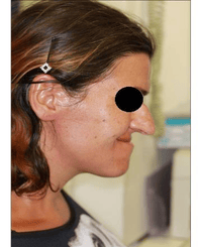
Severe Mid-Face Retrognatism following BiPAP use in a Patient with Muscular Dystrophy

Aim: To describe severe facial disfigurement in a patient with familial Progressive Muscular Dystrophy

(PMD) treated with a Bi-level Positive Airway Pressure (BiPAP) device.

Study design and methods: A 41-year-old female with PMD was treated with BiPAP from the age of 21in

order to improve sleep-disordered breathing and nighttime hypoventilation.

Results: Severe mid face retrogantism was noted with a reverse over jet between upper and lower incisors

of 12 millimeters in centric relation.

Conclusion: We present a rare case of severe facial disfigurement secondary to orthopedic forces from

a BiPAP device in a patient with familial PMD. The simple addition of a forehead or chin support may minimize these changes.

Yaron Haviv* and Naama Keshet


Article Image 1

Applications of the Mental Health Profile of Etindele Questionnaire

The Mental Health Profile of Etindele Questionnaire (MHPE) offered a new tool for detection  of cognitive decline and mental health. It permits an easy and precise investigation of the early  symptoms of neurodegenerative disease, as well as cognitive decline; for both healthy and unhealthy  population. It is mainly used for sleep disorders. It can be use online, in interview, by phone, by the  participant himself or the therapist, clinician or researcher. Recent published articles demonstrated  that, MHPE allows an efficient collection of data on principles mood disorders like depression,  anxiety and well-being [1-13]. It also allows to investigate early signs of neurological dysfunctions  like sleep disorders, while in the same time it provides sociodemographic measure of the participant  [1,6,8]. Accuracy and utility of Mental Health Profile of Etindele should be validate in other  languages like Spanish, Arabic and English. The global score and categories will be upgraded to  include comorbidities risk factors metabolic diagnosis and obesity, which can clearly impact the  trajectory of diseases and may increase the quality of the current questionnaire. A wide use of this  questionnaire will spread his different applications in the field of psychology, dementia, neurology  and sociology.

Nakamura Mitsu1 , Okito Nakamura2 and Sana Raouafi3


Article Image 1

Sleep Disorders in Childhood Epileptic Disorders

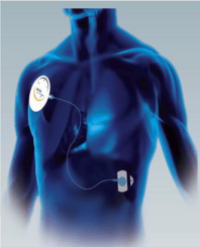
Sleep disorders are common in children, especially in children with epileptic disorders. This article reviewed  most recent publications supporting a reciprocal relationship between sleep disorders and childhood epileptic  disorders as well as the underlying mechanisms involved in both disease processes, i.e. similar neuronal  networks in the genesis of sleep and epileptic seizures. Evidence support that sleep disorders can aggravate  Interictal Epileptiform Discharges (IEDs) and nocturnal seizures in children with epilepsy, leading to poor seizure  control and increasing functional disturbance in patients with childhood epileptic disorders; On the other hand,  childhood epileptic disorders and some antiepileptic medications and vagus nerve stimulator can change sleep  quality and architecture of sleep, resulting in an increase in troubled sleep, which can lead to increased sleep  disorders. Recognizing and effectively treating sleep disorders in patients with childhood epileptic disorders can  improve seizure control and overall functioning and vice versa.

Zhao Liu*, Sreenivas K Avula and Abdullah Tolaymat


Article Image 1

Sleep Disorder Screening: Integration of Subjective and Objective Measures

Purpose: Comparing the output of two subjective self-evaluation sleep questionnaires commonly used in  adult populations at-risk for sleep disorders, focusing on sleepiness and insomnia symptoms, to automated  analysis of electrocardiography (ECG) data collected during sleep, to measure sleep quality. 

Method: Output of two sleep questionnaires; the Epworth Sleepiness Scale (ESS) and the Bergen Insomnia  Scale (BIS) where compared to the primary data signal, ECG, collected during sleep with a simple wearable  device and analyzed with the Cardiopulmonary Coupling (CPC) algorithm. Based on the objective Sleep Quality  Index (SQI), and the sleep pathology markers, Elevated Low Frequency Coupling Broad-Band (eLFCBB) and  Narrow-Band (eLFCNB), participants were divided into healthy and unhealthy sleepers, and the output of each  subjective questionnaire and the combination of both questionnaires statistically analyzed and compared to the  CPC-output. 

Results: Data collected from 57 obese individuals, when starting a lifestyle program supervised by a primary  care physician, was retrospectively analyzed. Of the 57 individuals, 50 recorded two consecutive nights. When  compared to the objective CPC-output the questionnaires had low sensitivity, specificity and agreement: (1)  ESS; sensitivity 23%, specificity 69% and agreement 51%. (2) BIS; 73%, specificity 43% and agreement 54%.  Combining the questionnaires ESS/BIS had sensitivity 73%, specificity 29% and agreement 46%. 

Conclusion: Wearable devices offer a convenient and cost-effective alternative for more accurate  evaluations of sleep quality complaints than methods previously available. Our results strongly suggest that in  populations at high risk of sleep disorders, questionnaires and objective measurements are likely required to  provide complementary and more comprehensive sleep quality assessments.

Magnusdottir S1, Hilmisson H1 and Sveinsdottir E2


Article Image 1

The Revival of Active Behavioural Devices for Measuring Sleep Latency

The current gold standard for objectively measuring sleep latency, polysomnography (PSG), requires  specialised equipment and trained individuals to administer. As such, PSG is an expensive and cumbersome  procedure, particularly for use in the home environment. Actigraphy devices are a common practical alternative  that can be used in the home environment, but they often underestimate sleep latency. For these reasons, it is  difficult to accurately measure sleep latency outside of the sleep laboratory setting.

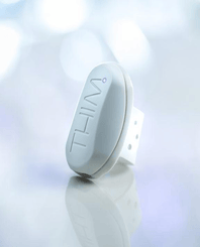
This problem has led to the revival of active behavioural devices for measuring sleep latency. Thim is a  small active behavioural device that uses behavioural responses to stimuli to measure the onset of sleep. The  design of Thim is based on previous research with similar devices, which were found to accurately measure  sleep latency. If found to accurately measure sleep onset, Thim could be used for many potential applications,  including facilitating 10-minute power naps and administering a novel, effective treatment for insomnia called  Intensive Sleep Retraining (ISR) in the home environment. This review will highlight current methods for  objectively measuring sleep latency, the limits of commonly-used devices and how active behavioural devices  such as Thim could allow for the accurate measurement of sleep latency in the home environment.

Hannah Scott1* and Leon Lack1,2


Article Image 1

Apnea and Hypophenic Index Profiles of Patients Submitted to Polysomnography Type III in Domiciliary Environment

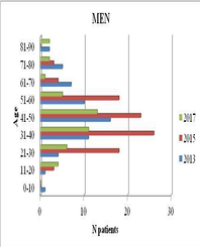
Sleep disorders have been characterized as a public health issue, considering the number of individuals affected, the associated secondary diseases and the direct and indirect costs associated with them. Snoring and sleep apnea stand out among them. AHI is classified as mild (5 <IAH <15), moderate (15 <AHI <30) or severe (30 <AHI). Understanding the profile of apneic patients and analyzing their conditions is extremely important for the characterization of apnea, its social and epidemiological profile in the present day. The diagnosis of sleep of the individual is performed from the Polysomnography examination. The same is proposed to monitor sleep and diagnose their disorders. In the present study, after analyzing 80 reports of the type III polysomnography performed in the home environment, in the first half of 2017, 56% of the patients were male; 29% belonging to the age group between 41 and 50 years; and the most representative rate of AHI (40%) was related to the moderate degree of these events. The AHI profile of patients submitted to type III polysomnography in the home environment is moderate, highlighting the relevance of this finding in both genders studied, and the age range of patients most submitted to the examination was updated.

Santana LC* and Regis CASO