SM Journal of Urology

Archive Articles

Article Image 1

The Cutoff Level of Free/Total Prostate Specific Antigen (f/t PSA) Ratios in the Diagnosis of Prostate Cancer: Current Status and Future Perspectives

PSA is one of the most important biomarkers for detecting prostate cancer and guiding decisions to biopsies of the prostate. Despite its adequate sensitivity, the use of PSA testing is limited by a significant lack of specificity, which can result in unnecessary biopsies. Recent findings emphasize the limitation of these PSA threshold values to discriminate between prostate cancer and benign disease in asymptomatic men [1-3]. Therefore clinicians tried to improve a new diagnostic biomarker for clinically significant PCa. One of the most promising marker is PSA derivates such as free PSA and its ratio to total PSA (%f/t PSA).

Bulent Erol*


Article Image 1

Radioisotope Guided Sentinel Lymph Node Dissection in Prostate Cancer: Rate of Lymph Node Involvement Depending on Preoperative Tumor Characteristics in More Than 2,100 Patients

Background: Extended pelvic lymph node dissection is the gold standard for lymph node staging in prostate cancer. Sentinel lymph node dissection has replaced extended lymphadenectomy in several tumors. The aim of the study was to stratify the rate of lymph node involvement in prostate cancer patients undergoing radio guided sentinel lymph node dissection depending on preoperative tumor characteristics.

Methods: We analyzed 2,102 prostate cancer patients (median age 67 years, IQR 62-71 years) who underwent radioisotope guided sentinel lymphadenectomy and retropubic radical prostatectomy between January 2005 and February 2015 in a retrospective single center study. Median prostate specific antigen was 7.8 ng/ml (IQR 5.5-12.7 ng/ml). 99mTechnetium nanocolloid (ca. 200 MBq) was transrectally injected into the prostate. A few hours later scintigraphy was carried out. Sentinel lymph nodes were intraoperatively detected using a gamma probe. The rate of lymph node invasion was analyzed for D’Amico risk groups and in relation to biopsy Gleason scores.

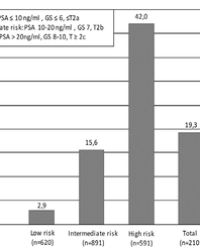
Results: The median number of lymph nodes removed was 10 (IQR 7-13). Overall, 19.3% of patients (n=405) had lymph node involvement; 2.9% (n=18) in low, 15.6% (n=139) in intermediate and 42.0% (n=248) in high risk disease. 64 (6.5%) of 984 patients with Gleason score ≤6 prostate cancer were lymph node positive; 20.6% (n=154) or 44.2% (n=84) in patients with Gleason score 7 (3+4; 4+3) and 57.5% (n=103) in Gleason score ≥8 prostate cancer.

Conclusion: We present the largest study on sentinel lymph node dissection in prostate cancer patients until now. The rate of lymph node invasion was higher in the examined sentinel collective than expected according to extended lymphadenectomy series. These results demonstrate the reliability and high sensitivity of sentinel lymphadenectomy for the detection of lymph node metastases in prostate cancer patients.

Alexander Winter1*, Svenja Engels1 , Marie-Christin Süykers1 , Rolf-Peter Henke2 and Friedhelm Wawroschek1


Article Image 1

Penile Strangulation: A Case Report and Novel Management Strategy

Introduction: Penile strangulation injuries are rare but well-recognized entities in the medical literature. Prolonged edema and ischemia can lead to tissue and neurovascular damage that is sometimes irreversible.

Aims: The aims of this case report are to discuss a novel treatment technique in reversing the ischemia reperfusion injury associated with a case of penile strangulation. Methods: We used hyperbaric oxygen treatments in a successful attempt for penile tissue salvage after a prolonged case of penile strangulation.

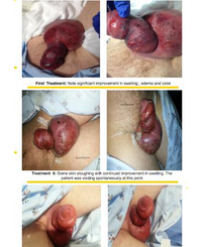
Results: The patient was successfully treated with five ninety-minute hyperbaric oxygen treatments. He was discharged home with improved penile sensation and the ability to void without difficulty.

Conclusion: Post-strangulation treatment varies based on the grade of injury incurred. Typically, when severe necrosis or gangrene is present a partial or total penectomy is performed. We propose hyperbaric oxygen treatments as a novel, minimally invasive method to attempt penile sparing in such an injury.

Carrie Yeast*, Jeffrey Marks, Danny Huynh, Garry Johnson and Mark Wakefield


Article Image 1

Isolated Testicular Tuberculosis Mimicking Testicular Cancer: A Case Report and Literature Review

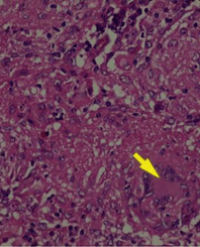
Isolated testicular Tuberculosis (TB) is a rare clinical condition. A 36-year old male patient presented to our clinic with an 8-month history of a painless mass in the right testis. No sign of tuberculosis was present and the physical examination revealed a solid mass arising from the upper pole of the right testis. The chest radiograph, urine examination, and tumor markers were normal, and lactate dehydrogenase was elevated. Scrotal ultra sonography and magnetic resonance imaging revealed a contrast-enhancing mass, 15x10 mm in size, in the upper pole of the right testis with normal epididymis and testicular blood flow. Due to the possibility of diagnosis of right testicular cancer, right inguinal partial orchiectomy was performed. The patient presented with tuberculotic granuloma with caseous necrosis in histopathological examination. The purified protein derivative test was positive (20 mm). No Acid-Resistant Bacilli (ARB) was found in culture of sputum and no tuberculosis bacilli were found in smear and culture. To date, no clinical method has been defined for the definitive diagnosis of such cases and the definitive diagnosis is only achieved by surgical exploration and histopathological examination.

Kerem Taken1*, Selami Ekin2 , Ozcan Canbey1 , Mustafa Günes1 and Gülay Bulut3


Article Image 1

Giant Renal Cyst in a Pregnant Woman

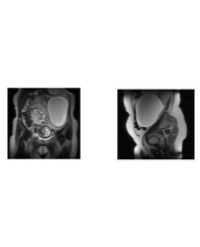
I report a 40-year old pregnant woman presented with left lank pain during one month. Percutaneous left cyst aspiration was performed before 4 years ago. Complete blood count and serum biochemistry profiles were within normal limits. Additionally the patient was diagnosed with pregnant before two months. Ultrasonography revealed 18*15 cm cystic lesion in left kidney. Magnetic Resonance Imaging (MRI) showed 18x11x10 cm sized left renal cyst (Figure1). Percutaneous cyst aspiration was done for treatment. Approximately 500 ml fluid was aspirated and the pain was solved. Aspiration fluid was examined in pathology department. The result of the pathologic evaluation was benign. After three months, the patient’ complaints were started and ultrasonography imaging showed the recurrence of left renal cyst that was 12*10 cm sized.

Selahattin Çalışkan*


Article Image 1

A Call for a Greater Emphasis upon Smoking Cessation in Urology

During a Capitol Hill summit in 2013 on cancer prevention, a scientific panel discussed the link between lung, esophageal, bladder and other human cancers with smoking. A United States Senator on the panel was puzzled and asked “Why does tobacco cause bladder cancer if cigarette smoke doesn’t come in contact with the bladder? The Senator’s unfamiliarity of the role of the renal system in the metabolism of carcinogens in cigarette smoke, the subsequent exposure to the uroepithelial lining, and concentration within the bladder reflect an opportunity for the field of urology to educate not only our Elected Officials but also the general public about the link between smoking with renal, ureteral, and bladder cancer.

John Maa1*, Tom Feng2 and Mark Vogel2


Article Image 1

Lower Pole Kidney Stones: PCNL, FURS, OR ESWL?

Since the first successfully performed in 1976 [1], Percutaneous Nephrolithotomy (PCNL) has gradually become the major treatment option for renal stones. Four years later, with the application of Extracorporeal Shock Wave Lithotripsy (ESWL), it is preferred by many urologists and patients as a low morbidity outpatient procedure. However, with the decrease of incidence of large and complex renal calculi and the improvement of armamentarium, Flexible Ureteroscopy (FURS), also termed Retrograde Intrarenal Surgery (RIRS), has becoming an important alternative to PCNL and ESWL over the last decade.

Yanbo Wang*


Article Image 1

Calcineurin Inhibitor - A Necessary Evil: Pharmacogenetical Approach to a Promising Future

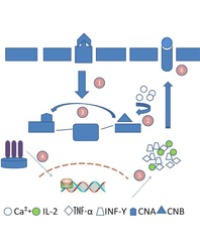
The backbone of modern immunosuppressant regimens after kidney transplantation is Calcineurin Channel Inhibitor (CNI) drugs including tacrolimus and cyclosporine A. Its mechanism is binding to immunophilins, forming complexes, binding to calcineurin, and leading to inhibition of T cell activation. Since CNI drugs are eliminated by cytochrome P450 system, especially the CYP3A subfamily, exploring their interaction exhibits great importance. It is known that CYP3A4 and CYP3A5 are involved in tacrolimus metabolism while CYP3A5 alone plays a major role in cyclosporine A metabolism. The polymorphism of CYP3A4 and CYP3A5 genes results in different CNI drugs dose requirements in transplant recipients. Pharmacogenetic approaches to figure out donors’ and recipients’ CYP3A4 and CYP3A5 genotypes may give us better understanding of pharmacodynamics of CNI drugs. Additionally, monitoring CNI blood concentration can reflect its pharmacokinetics. Combination of pharmacodynamics and pharmacokinetics may be used as a guide in clinical practice to administer CNI drugs in optimal dose, to avoid acute rejection or adverse effects of CNI drugs such as nephrotoxicity.

Lexi Zhang1 , Chenli Gu2 , Shang Huang1 , Ruiming Rong1* and Tongyu Zhu1*


Article Image 1

Median Raphe Cyst of the Scrotum in an Adult Patient

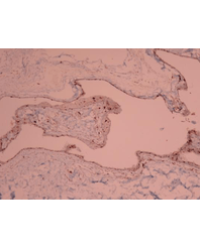
Median raphe cysts may occur at any site along the midline of the ventral side of the male genital area between the meatus and anus. The cysts are usually asymptomatic in childhood and may progress later and become symptomatic during adolescence and adulthood. The most common location of the cysts is penile shaft and parameatal position, glans penis and scrotum is very rare. We present a case of median raphe cyst of the scrotum in an adult patient who was treated with surgical excision.

Çalışkan S1*, Sungur M1 and Baş Y2


Article Image 1

Rapamycin Ameliorates Renal Ischemia/ Reperfusion Injury via Remodeling Immune Microenvironment

Background: Rapamycin plays a protective role in kidney Ischemia Reperfusion (IR) injury in early stage, but the mechanisms involved haven’t been thoroughly revealed so far. We hypothesized this protective effect of rapamycin is relevant to the remodeling of immune microenvironment. With this purpose, we aim to investigate the change in proportion of Dendritic Cells (DCs), macrophages and Natural Killer T (NKT) cells in spleen, peripheral blood and IR induced kidney before and after rapamycin administration in a murine renal IR model. In addition, the effect of rapamycin on damage-promoting and damage-preventing cytokines in IR induced kidney was also investigated.

Materials and Methods: Balb/c mice were subjected to renal 30 min ischemia followed by 24h reperfusion. Rapamycin (2.5ml/kg) was administered by gavage daily, starting 1day before the operation. Renal function and histological changes were assessed. The proportion of NKT cells, macrophages and DCs in peripheral blood, spleen and kidney was detected by flow cytometry. The expression of pro-inflammatory cytokines Interleukin-6 (IL-6), Monocyte Chemotactic Protein-1(MCP-1), Tumor Necrosis Factor-α (TNF-α), Interleukin-1β (IL-1β) and anti-inflammatory cytokines Interleukin-10(IL-10), Transforming Growth Factor-β1 (TGF-β) were determined by RT-qPCR.

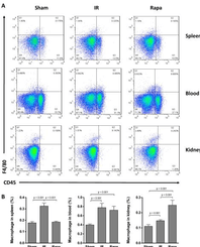
Results: Rapamycin significantly improved renal function and ameliorated histological injury and inhibit cellular apoptosis in IR-induced kidney tissue. The proportion of macrophages in spleen was decreased in rapamycin-treated group than in the sham and IR group. In contrast, the proportion of macrophages was raised in rapamycin group in comparison with the sham and IR group in the kidney. In spleen, rapamycin increased the proportion of DCs compared with the sham and IR group, but the proportion was decreased in peripheral blood and kidney. In rapamycin-treated group, the proportion of NKT cells in spleen was significantly decreased but increased in peripheral blood and kidney. In addition, rapamycin dramatically down-regulated the expression of IL-6, MCP-1, TNF-α and IL-1β and up-regulated IL-10 and TGF-β compared with IR group.

Conclusion: Rapamycin may protect kidney from IR injury through remodeling immune microenvironment- -modulating the proportion of DCs macrophages and NKT cells in spleen, peripheral blood and kidney and the expression of inflammatory- related cytokines.

Chao Zhang1,2,4, Lingyan Wang3 , Yi Zhang3 , Cheng Yang1,2* and Ruiming Rong1,2,5*


Article Image 1

ATP Signalling in the Urinary Bladder

ATP is involved in a number of physiological and pathological mechanisms in the urinary bladder. This review summarizes the main role of ATP and its metabolites, by acting on P1 and P2 purinoceptors present in the bladder wall. The ATP role in the urethra is not addressed. Prevalent mechanisms of modulation of ATP activity are also presented. Possible ATP release mechanisms from urothelium are presented and future directions proposed.

Ana Charrua1,2,3 and Miguel Cordeiro J4


Article Image 1

The Urgent Need for New Therapeutical Approaches for Renal and Bladder Cancer: Mitochondrial Non-Coding RNAs as Efficient Targets

According to the American Cancer Society, bladder cancer is the 6th most common cancer in the U.S. When diagnosed and treated early, the 5 year survival rate is 94%. However, patients with invasive cancer have a much worse prognosis, with a 50% 5-year survival rate.

Renal Cell Carcinoma (RCC) is the seventh most common cancer in men and the tenth in women, with the second highest mortality among urogenital cancers. Patients with distant metastasis have a 5 year survival rate of <15%, mainly due to radio- and chemoresistance of metastatic RCC.

Vincenzo Borgna1,3, Lorena Lobos-González1,4, Verónica Silva1 , Constanza López1 , Mariela Araya1 , Emanuel Jeldes1 , Verónica Burzio1,2, Teresa Socias1 , Luis O. Burzio1,2 and Jaime Villegas1,2*