SM Journal of Urology

Archive Articles

Article Image 1

Chylous Clot Removal Using Morecellator: A Novel Method

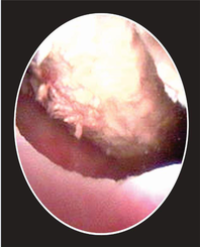
We report a novel method of chylous clot removal using morcellator where other conventional methods fail. A 22-year male with recurrent chyluria presented in acute urinary retention. Clot evacuation using Toomey syringe, ellik evacuator and suction bridge have failed. Based on our use of morcellator (versa cut tissue morcellator, lumenis) during HoLeP procedure, we applied this morcellator to morcellate large and tenacious chylous clot. We successfully removed the clot using morcellator with suction (versa cut tissue morcellator, lumenis) used for morcellating prostate adenoma tissue in Holmium Laser Enucleation of Prostate (HoLeP).

Ankur Bansal1*, Ankur Jhanwar1 , Gaurav Prakash1 and Satyanarayan Sankhwar1


Article Image 1

Endourological Management of Forgotten Double J Ureteral Stents: A Single Centre Study

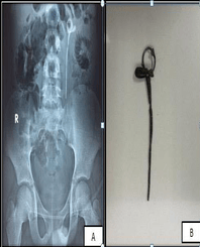
Background: Double J (DJ) ureteral stent is being used in various urological and non-urological procedures. Indications for double J ureteric stents include; negotiating the obstruction and maintaining adequate drainage from kidneys, and as an adjunctive procedure to Extra Corporeal Shock Wave Lithotripsy (ESWL). A forgotten DJ stent is not uncommon in developing countries and is particularly seen in patients with poor socioeconomic status. These patients present with flank pain, hematuria, irritative voiding Lower Urinary Tract Symptoms (LUTS) and even lend up with features of renal failure. Management of forgotten DJ ureteral stents is not only important for patient’s perspective but also for the surgeon’s prospect due to its medico-legal implications.

Aim: To address a unique complication of forgotten DJ stent; its endourological management and preventive measures to avoid devastating complications.

Study design: Descriptive study.

Methods: Retrospective data search from 2008-2015 revealed 47 patients admitted with forgotten ureteral stent includes (broken and encrusted) were managed endoscopically. Patients were evaluated with X-ray, ultrasonography of Kidney Ureter and Bladder Region (KUB), Intravenous Urography (IVU) and non-contrast computed tomography, renal function test (where indicated). Endourological procedure for DJ stent removal was decided according to the location of stents.

Results: A total of 47 patients (males: 34, females: 13) were included in the study. The mean age of patients was 23.53 years (range 4-65 years); mean duration of stent insertion was 39 months (4-68 months). Fifteen patients (31.9%) had stent insertion following percutaneous nephrolithotomy, 8 (16.96%) following Ureteroscopic Lithotripsy (URSL), 3 (6.3%) following pyeloplasty, 10 (21.2%) following ureterolithotomy, 6(12.72%) following pyelolithotomy and 3 (6.3%) following ureteric re-implantation. Two patients (4.2%) had DJ insertion for bilateral upper ureteric calculus with deranged renal function. PCNL was performed in 10 (21.2%), combined PCNL and CLT in 15 (31.8%), URSL in 12 (25.44%), combined URSL and CLT in 18 (38.16%), CLT alone in 11 (23.32%) cases.

Conclusion: Forgotten double J ureteral stent still a common and preventable complication in developing nations, patients may lend up in renal failure. Its removal is a challenging task.


Ankur Jhanwar1 , Ankur Bansal1*, Gaurav Prakash1 and Satyanarayan Sankhwar1


Article Image 1

Can Renal Denervation during Nephron Sparing Surgery for Renal Cell Carcinoma Prevent De Novo Hypertension Occurrence and Potentially Confer a Survival Benefit

Technological advances, including laparoscopic and robotic surgery and diagnostic imaging, seem to have improved renal functional and oncological outcomes in patients undergoing nephron-sparing surgery. There is Level 1 evidence that nephron-sparing surgery is not superior to radical nephrectomy in terms of overall and cancer-specific survival; however, the indications for nephron-sparing surgery to treat renal cell carcinoma are expanding without substantive supportive evidence, and the updated guidelines accept that radical nephrectomy should not be used when nephron-sparing procedures are possible. Hypertension that develops after nephronsparing surgery is suspected to play a significant role in the survival benefit; therefore, there is a room to improve nephron-sparing surgery. Further efforts are necessary to achieve better survival, e.g., the procedure should be modified to prevent postoperative hypertension. Hereby, “renal denervation during nephron-sparing surgery” appears to minimize hypertensive complications after nephron-sparing surgery; therefore, more attention should be paid to preventing de novo hypertension in patients undergoing nephron-sparing surgery

Yoshihide Ogawa1*, Yuho Kouno1 and Hiromichi Suzuki2


Article Image 1

Quality of Life Outcomes after Rehabilitation Treatment in Men Undergoing Prostatectomy for Prostate Cancer: A Cohort Study

Objectives: To assess the results of rehabilitation treatment on quality of life of patients undergoing radical prostate surgery.

Methods: We evaluated a cohort of men treated at our Rehabilitation Department after radical prostate surgery between 2007 and 2013. Assessment scales, Expanded Prostate Index Composite (EPIC), Sandvik and International Consultation on Incontinence Questionnaire-Urinary Incontinence Short Form (ICIQ), before and after rehabilitation treatment were analyzed.

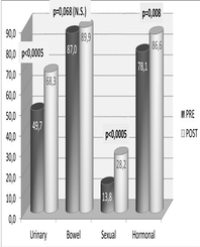
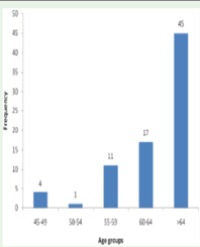
Results: 33 patients completed the rehabilitation treatment. The mean age of patients was 64.5 years (49- 75). An improvement was observed before and after rehabilitation treatment in the ICIQ and Sandvik scales, and in the urinary and sexual domains of EPIC (p <0.005) and in the hormonal domain of EPIC (p 0.008); no significant differences in the intestinal domain of the EPIC (p 0.068) were found. No statistically significant correlation between the assessment scales and the use of protective was obtained. A statistically significant correlation between the days of bladder catheterization and bowel (p 0.028) and sexual (p 0.004) EPIC domains was found, but no correlation was found in the other domains of EPIC or the ICIQ and Sandvik scales. The number of rehabilitation sessions did not correlate with any of the scales evaluated.

Conclusion: Rehabilitation treatment may improve the quality of life of patients undergoing radical prostate surgery.

Jordi Mallol-Badellino1*, Sandra Mateo-Lozano3 , Noelia Carmelo-Ramirez3 ,Montse Martin-Baranera2 , Jesus Tinoco-Gonzalez1 and Eva Moreno-Atanasio1


Article Image 1

The Effect of Blood Groups and Rhesus Factor on Prognosis and Survival in Bladder Cancer Patients Underwent Radical Cystectomy

Background: We aimed to investigate the effect of blood groups and Rhesus factor on prognosis and survival in patients who underwent radical cystectomy due to bladder cancer.

Methods: Five hundred and twenty four patients who underwent radical cystectomy were enrolled the study between 1992 and 2014. The effect of blood groups and Rhesus factor on prognosis and survival was evaluated.

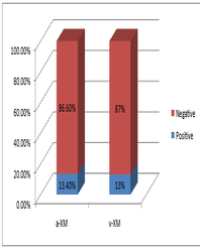
Results: Two hundred and twelve patients (41%) had A blood group, 184 patients (35%) had 0 blood group, 92 patients (17%) had B blood group, and 36 patients (7%) had AB blood group. Four hundred and fifty-six patients (87%) were Rhesus factor positive and 64 patients (13%) were Rhesus negative. The effect of rhesus factor on prognosis and survival was no statistically significant. Patients with B blood group had higher tumor grade than other blood groups (p=0.02). Disease-specific survival were similar in each blood group.

Conclusion: We found that B blood group was associated with high grade tumor in patients who underwent radical cystectomy. However there was no statistically significant on survival in multivariate analysis. In addition, blood groups and Rhesus factor were not associated with survival.

Sacit Nuri Gorgel*, Kutan Ozer, Osman Kose, Alper Cihat Erdal, Ahmet Selçuk Dindar and Enis Mert Yorulmaz


Article Image 1

Post Abdomino-Perineal Resection Urethrocutaneous Fistula: A Rare Cause of Persistent Perineal Sinus and its Minimal Invasive Technique of Management

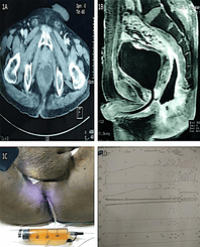
Persistent perineal sinus is a common complication after perineal surgeries reporting upto 30% in various series. Most common underlying cause is wound infection, lymphocele, incomplete healing due to irradiated tissue etc. Iatrogenic urethral injury leading to urethro-cutaneous fistula is a rarely reported cause of perineal sinus. Most of the cases of perineal sinuses are usually neglected, considering them for spontaneous healing. Here we have reported a case incorporating the clinical presentation, diagnostic difficulty and a minimal invasive modality for successful management of this distressing condition.

Sandeep Nunia, Priyank Yadav, Prempal Singh, Devarshi Srivastava, Ankur Bansal and Aneesh Srivastava*


Article Image 1

Effectiveness and Safety of Bilateral Same-Session Ureteroscopy-A Prospective Study

Objective: To investigate the effectiveness and safety of Bilateral Same-Session Ureteroscopy (BSU) for urolithiasis in the contemporary endourology.

Material and Methods: Patients over 18 years old with bilateral urolithiasis in the upper urinary tract were selected under following criteria: total stone burden ≤40mm (accumulated diameter); size of single stone ≤20mm in the major burden side and ≤15mm in the minor; preoperative Serum Creatinine (sCr) normal. Patients were grouped into low burden (<20mm) and high burden (≥20mm) by overall stone burden. Parameters of operation and follow up were evaluated and compared.

Results: 32 cases (male19, female13; age 53.2±14.2yrs) were included from Jan 2013 to Dec 2014.Overall stone burden was 23.7±7.6 (14-40) mm, total stone number 109 (renal 78, ureteral 31). Operative time was 99.2±32.5 (50-175) mins, postoperative hospitalization 2.4±1.4 (1-6) days. Staged procedure took place in two cases. The immediate SFRs after first procedure and overall were 72.0% and 91.0%. However, the immediate SFRs in low burden and high burden were 100% and 50.0% (P=0.002) respectively. No significant sCr change was detected (p=0.711) and no major complications occurred.

Conclusions: BSU for selective cases with bilateral urolithiasis in the upper urinary could be redefined at contemporary endourology. From our study, it is effective and safe with high SFRs, no renal damage and minimal complications. Patients with low bilateral burden (<20mm) may benefit from the immediate stone clearance.

Yi Zhang* and Cheng-Fan Yu


Article Image 1

Best Catheter Size in Performing Invasive Urodynamics

Invasive urodynamics are used to diagnose complex cases with lower urinary tract pathology. Different guidelines exist for performing good urodynamic tests, however, there is no agreed recommendation for the size of the transurethral catheter used.Invasive urodynamics are used to diagnose complex cases with lower urinary tract pathology. Different guidelines exist for performing good urodynamic tests, however, there is no agreed recommendation for the size of the transurethral catheter used.

Haitham Abdelmoteleb*


Article Image 1

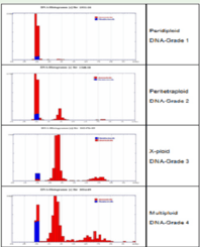
Prediction of Non-Progression in Prostate Cancer Patients under Active Surveillance by DNA-Karyometry

The option of Active Surveillance for patients with localized prostate cancer depends on a low GleasonScore (GS) of 6. Nevertheless about 30%have to face clinical progression within five years. Our hypothesis is that automated measurements of DNA-content of prostate cancer cells yield a DNA-grade of malignancy [1-4] that is able to predict non-progression of prostate cancers at much higher accuracy than the subjective GS. Nuclear DNA-measurements were performed from cancer tissue in residual biopsy-material of 80 patients from the HAROW-study. Local- and a reference pathologists GSs were available. Follow-up of mean 4,1 years included repeated PSA-values, number and GSs of positive biopsies, clinical stage, and in19cases results from prostatectomies. Reproducibility of GSs was 55% without and 45% with differentiation between 6 and 7a. Progression occurred in 37.5% if upgrade of any inclusion criterion was used as evidence and in 18,8% if only PSA-DT <36 months or upstaging to pT3. Prevalence of DNA-grade 1 was 40%.Sensitivity, specificity and negative predictive value of local pathologists GS, reference pathologists GS and DNA-karyometry were: 0%, 95.0% and 74.0%, 20.0%, 86.7% and 76.5%, 85.0%, 51.0% and 90.6%, if upgrade of any criterion of inclusion was used as evidence of progression and 5.9%, 96.8% and 79.2%, 23.5%, 87.3% and 80.9%, 100%, 50.8% and 100% if only PSA-DT < 36 months and/or upstaging to pT3 were used. Thus, objective automated DNA-karyometry can much more reliably exclude progression of prostate cancers under Active Surveillance within four years as compared with subjective Gleason-scoring.

Patient summary: The probability to exclude an objectively assessed progression of an untreated, localized prostate cancer under Active Surveillance was only 80.9% for the subjective microscopic Gleason-score but 100% for objective DNA-karyometry. Thus, patients with DNA-grade of malignancy 1 can much more safely rely on this conservative, non invasive therapeutic strategy

Alfred H Böcking1*, David Friedrich2 , Cristof Börgermann3 , Stefan Biesterfeld4 , Rainer Engers5 and Josef Dietz6


Article Image 1

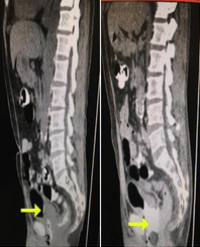
Acute Rectovesicoprostatic Fistula Formation after Intensity-Modulated Radiation Therapy for Localized High Risk Prostate Cancer: A Case Report

Colovesical Fistula (CVF) is a relatively rare, but potentially devastating complication of pelvic radiation. The entity has been associated with severe malnutrition and the success or failure of subsequent therapy may be dependent on a patient’s nutritional status. We describe our experience with a patient who developed a severe colovesical fistula six months after completing radiation therapy and his clinical course thereafter. Ultimately, nutritional status is of the utmost importance when approaching curative therapy in patients who may already suffer from malnutrition.

Daniel C Edwards*, James Latronica, Shaun Hager, Carmen CM Tong, David B Cahn, Juan Lucas Poggio and Francis J Schanne


Article Image 1

Challenges and Clinical Significance of Virtual Crossmatch in Kidney Transplantation: Our Experience

Background: The presence of anti-HLA antibodies, especially the presence of donor specific antibodies was associated with graft rejection after transplantation. The aim of our work was to analyze whether there is a correlation between actual-crossmatch performed by Luminex and virtual-crossmatch assessed on the basis of recipient’s anti-HLA antibody specificities.

Material and Methods: Anti-HLA antibodies screening ± identification and crossmatch tests were performed before renal transplantation in 310 potential recipients, using Luminex technology. For all patients and donors, pretransplant HLA genotyping for A, B, and DRB1 loci were performed using molecular biology methods. To perform virtual crossmatch, the recipient’s HLA-antibody specificities were compared against the donor HLA alleles.

Results: The anti-HLA antibodies screening was positive in 65 recipients (103 positive results): 15 patients (23%) presented anti-HLA class I antibodies, 12 patients (18.5%) had anti-HLA class II antibodies and in 38 subjects (58.5%) we discovered both types of antibodies. Using LSA assay, we could determine the antibody specificities only in 87 cases. Comparing the recipient’s anti-HLA antibody specificities with donor’s HLA antigens we found positive virtual-crossmatch in 81 cases. For 620 crossmatch results, the sensitivity, specificity, positive and negative predictive values were 87.6%, 97.8%, 85.5% and 98.1%, respectively.

Conclusion: virtual-crossmatch assessed on the basis of recipient’s anti-HLA antibody specificities had a good correlation with actual-crossmatch performed by Luminex and thus, had a high sensitivity in predicting donor-recipient immunologic compatibility. Using the virtual crossmatch may improve graft allocation strategy for kidney recipients reducing the waiting time on the waiting list.

Ana Moise1,2, Cătălin Baston1,3, Natalia Cucu4 , Larisa Denisa Ursu1 , Mirela Maria Iacob1 and Ileana Constantinescu1,2*


Article Image 1

Evaluation of Uropathogens in Bladder Outlet Obstruction Secondary to Benign Prostatic Hyperplasia

Objectives: Although less than 3% of patients with Catheter Associated Asymptomatic Bacteria (CA-ASB) develop bacterimia with urinary pathogen; risk is 36 times increased with indwelling catheter. This study aimed at evaluating the uropathogens and the antimicrobial susceptibility in men with bladder outlet obstruction due to BPH to create baseline data for active surveillance and empiric antimicrobial regimens.

Methods: Urine cultures from 78 men with urinary retention secondary to BPH were evaluated. Distribution of the bacteria causing catheter associated bacterimia and their antimicrobial susceptibility test results were examined using automated identification and antimicrobial susceptibility testing system.

Results: A large proportion of patients with CA-ASB were older (≥60 years; P=0.02). The prevalence of infection was significantly higher in patients on urethral catheters than those on suprapubic catheters. (P=0.011) There was a high prevalence of micro-haematuria and proteinuria (60.5% and 37.2% respectively). Escherichia coli was the commonest organism found in all age groups. There was increased resistance of organism to the four commonly used urinary tract antibiotics (ampicillin, perfloxacin, levofloxacin and erythromycin). The prevalence of multi-resistance was 10.8%.

Conclusion: In a total of 78 samples, 83.3% showed significant growth of pathogens. A slightly more cases of CA-ASB were recorded among elderly patients (≥65 years; 52.3 %). Nitrofurantoin is recommended as the first drug of choice in this country if not contraindicated.

Patrick Temi Adegun1*, Julius Gbenga Olaogun1 and Michael Simidele Odimayo2


Article Image 1

Pathogenesis of Urinary Tract Infection in the Intensive Care Unit: A Quick Review

Urinary Tract Infection (UTI) has been one of the pivotal agents of morbidity in the Intensive Care Unit (ICU) worldwide. UTI’s in the ICU cause significant mortality and increase the length of ICU stay, thereby increasing the bane on healthcare costs worldwide. We aim to review literature and elaborate on the several factors leading to the causation of UTI’s in the ICU.

Namrita Malhan1 , Ankur Sinha2*, Ravikaran Patti2 and Yizhak Kupfer3


Article Image 1

Open Distal Ureterectomy and Boari Flap Reconstruction for Distal Ureteric Transitional Cell Carcinoma

The standard surgical treatment of distal ureteric transitional cell carcinoma remains nephroureterectomy with excision of a cuff of bladder. We present a series of 20 patients who were managed with open distal ureterectomy and Boari flap reconstruction.

Objective: To study the suitability of open distal ureterectomy and Boari flap reconstruction in the management of distal ureteric TCC.

Methods: Data was collected retrospectively on one consultant’s patients, operated on between 2004-2015.

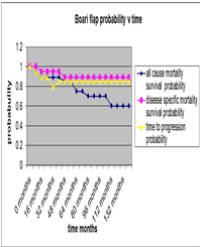
Results: We treated 20 patients with a mean age of 71 years (55-88 years). There were thirteen males and seven females. Six tumours were on the right and fourteen on the left. The mean follow up was 79 months (6.5 years) (8-144 months) with three recurrences (2 ureteric, 1 renal pelvis). There has been only one complication.

Conclusion: Upper urinary tract tumours are rare. Radical nephroureterectomy with excision of bladder cuff may over treat this disease compromising renal function unnecessarily. In selected cases open distal ureterectomy and Boari flap reconstruction may be considered.

Robinson S*, Parnham A and Motiwala H


Article Image 1

Inflammatory Myofibroblastic Tumor of the Bladder in a 15-Year-Old Boy

Inflammatory myofibroblastic tumor is an rare soft tissue tumor which characterized by proliferation of myofibroblastic spindle cells and inflammatory cells. Inflammatory myofibroblastic tumor of the bladder and other spindle cell neoplasms of the bladder can exhibit similar clinical features. It is important to differentiate this tumor from the other spindle cell neoplasms. At this point, immunochemistry has a significant role. Anaplastic lymphoma kinase-1 has been considered diagnostically effective. Herein, we describe a case of 15-year-old boy with an inflammatory myofibroblastic tumor of the bladder. Fluorescence in situ hybridization analysis and immunohistochemical markers helped in correct diagnosis and further treatment decision.

Selim Taş1 , Kaan Karamık1*, Mahmut Ekrem İslamoğlu1 , Mutlu Ateş1 , İrem Atalay Karaçay2 , Hakan Anıl1 , Ali Yıldız1 and Murat SAVAŞ1