Back to Journal

SM Journal of Family Medicine

How Community Pharmacists Can Make a Difference in Black Health: Black Bioethics and the Ethics of Empathy and Care

[ ISSN : 2576-0262 ]

Abstract
Details

Received: 20-Nov-2024

Accepted: 02-Dec-2024

Published: 03-Dec-2024

David Augustin Hodge, Sr.* 

Director (Interim), Lead Ethicist, Associate Professor, National Center for Bioethics in Research and Health Care at Tuskegee University, USA

Corresponding Author:

David Augustin Hodge, Sr.*, PhD, DMin, MEd, MTS Director (Interim), Lead Ethicist, Associate Professor, National Center for Bioethics in Research and Health Care at Tuskegee University, USA, Tel: 954-670-4458.

Keywords

Rural Health; Inner-City Health; Black Health; Black Bioethics; Pharmacy; Empathy; Care; Public Health; Ethics; Tuskegee

Abstract

Pharmacists stand at the forefront of patient interaction and medication management in the rapidly evolving landscape of healthcare and health equity. A Doctor of Pharmacy is a “doctor” who is uniquely positioned to influence health outcomes, particularly in underserved communities and medical deserts. This paper explores how the integration of empathy and care ethics into pharmacy practice can empower pharmacists to address the social, political, and moral determinants of health to the character of their work. By fostering a deeper understanding of these determinants, pharmacists can become pivotal agents of change, promoting equity, trust, and improved health outcomes in marginalized populations. This approach not only enhances patient care but also contributes to the broader mission of reducing health disparities and fostering a more inclusive healthcare system.

Citation

Hodge DA (2024) How Community Pharmacists Can Make a Dif ference in Black Health: Black Bioethics and the Ethics of Empathy and Care . SM J Fam Med 2:3-6.

Other Articles

Article Image 1

Hyperbaric Oxygen Combined with PRF on the Repair Effects of Calcined Bovine Bone to Periodontal Bone Defects, Gingival Papillae Loss and the Expression of RANKL/OPG

Objective : To investigate the effect and mechanism of Hyperbaric Oxygen Therapy (HBO) combined with Platelet-Rich Fibrin (PRF) on thetreatment of periodontal bone defects and gingival papillae loss using calcined bone (CBB).

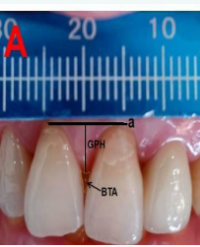
Methods : A total of 150 patients with chronic periodontitis and bone defects were selected and divided into three groups after calcined bone grafting: the HBO-PRF group, the PRF group, and the control group, with 50 cases in each group. The Gingival Index (GI), Periodontal Pocket Depth (PD), and Clinical Attachment Loss (AL) were recorded before surgery and at 6 and 12 months post operation. Gingival papillae height (GPH) and black triangles area (BTA) were measured. and keratinized gingival width (KGW) was measured at different time points. CBCT and periapical x ray were taken to measure bone density and bone filling, and the rate of bone improvement was calculated. Enzyme-linked immunosorbent assay (ELISA) was used to determine the expression of Osteoprotegerin (OPG) and Receptor Activator of Nuclear Factor-kappa B Ligand (RANKL) in gingival crevicular fluid (GCF) before surgery and at 6 and 12 months post operation.

Results : The HBO-PRF group showed significantly reduced of the GI, PD, and AL at 6 and 12 months post operation compared to the PRF group and the control group. The reduction in KGW was significantly lower than that of the PRF group at 1, 3, 6, and 12 months post operation. HBO-PRF group showed a significant increase in GPH and a significant reduction in BTA than control group, The HBO-PRF group had a significantly higher bone density and bone fill improvement at 6 and 12 months compared to the PRF group and the control group, and the GCF OPG was significantly higher than that of other groups, while RANKL and the RANKL/OPG were significantly lower.

Tie-Lou Chen1,2*#, Hui-Jie Lu3*, Ting-Lin Zhang4 , Bing Xu5 , Dong-Sheng Xu6 , Yan-En Wang1 , An-Xin Yue7 , Yi-Yi Pang8 , Chuan-Mei Huang1 , Zhi-Zen Quan1 , Xin-Yu Yang1 , Shi-Feng Wang9#, Da-Hai Tang10# and Yi-Jun Zhou11 , Wen-Jing Chen12
Article Image 1

Prevalence of Critical Bilirubin Results among Neonatal Patients in Windhoek, Namibia

Neonatal jaundice is a frequently encountered paediatric problem in Africa that is associated with sickness and death. The research was undertaken to determine the prevalence of critical jaundice values in neonates in Windhoek, Namibia. Although several risk factors and aetiologies may be attributed to neonatal jaundice, the research focused on establishing the number of neonates with critical bilirubin levels in Windhoek, Namibia. Secondary data of bilirubin tests performed on neonates was obtained from the Namibia Institute of Pathology’s (NIP’s) archived patient records for the years 2013 and 2014. Only neonates that were less than 31 days old were included in the study. Data was analysed using the Statistical Package for Social Sciences (SPSS) version 22. The prevalence of critical jaundice values was estimated to be 12.4%. Neonates >3 to ≤6 days of age were noted to be the most affected. It was notable that 9.6% of neonates that were 3 to 6 days old had a potential for developing kernicterus. Males had a higher prevalence of critical values (13.4%) as compared to females (11.5%) and were at greater risk of kernicterus. The critical values and kernicterus cases increased with age. Neonates between 3 to 6 days were most affected as they had bilirubin values depicting risk to kernicterus. The cause of the male preponderance in elevated bilirubin levels is not known. Further studies thus need to be conducted to establish the causes of critical jaundice.

Shilongo SN, Mukesi M¹*, Gonzo M and Moyo SR


Article Image 1

Mirror, Mirror on the Wall: Body Image Disturbance among Qatari Female College Students

Introduction: The transition from high school to college or university is known to be an especially problematic stage in adult development. In order to adapt and find a way of becoming accepted or popular with their peer group, young women become increasingly concerned about maintaining an attractive and culturally acceptable body shape. To reach their often idealistically low weight goals, many female students engage in regular dieting behaviors which are often unsound and extreme.

Objectives: This study aims to estimate the proportion of Body Image Disturbance among first year Qatari female college students and relate it to their BMI distribution. It also assesses the perceptions towards weight and dieting behaviors among first year Qatari female college students.

Methodology: Data were obtained by cross-sectional study design. Three hundred and thirty two first year Qatari female college students were selected using simple random sample. Participants completed a questionnaire that assessed different concepts including feelings towards body appearance, overweight preoccupation, appearance orientation, body areas satisfaction, and potential risky behaviors and after that their height and weight were measured. Pearson Correlation was used.

Results: Our results indicate that 227(68.4%) of participants desire to lose weight. among them, 58% had body image disturbance (BID) ranging between 0-20% of their current weight. On the other hand, 105 (31.6%) of all participants have BID with a desire to gain weight, of these participants 73.3% have a desire to gain between 0-20% of their actual weight. Strong correlation was found between self reported current weight and actual (measured) weight with r=0.783, p<0.001, 55.1% of students dislike their body shape, 61.4% starve themselves, and 52.7% eat binges for no apparent reasons. About eighty percent weigh themselves at least once a day and 28.6% consider surgery as a way of controlling their weight.

Conclusion & Recommendations: Thinness is linked to social desirability among Qatari female college students. A sizable proportion of females with normal BMI have body dissatisfaction and desire to lose weight and potentially risky behaviors are practiced by the students in order to control their weight. The alarming findings of these behaviors among underweight students should raise concerns of possible eating disorders among these students.

Balanced health education messages should be delivered to females in schools and colleges about healthy attitudes and practices towards diet, and body weight.

Nagah Abdel Aziz Selim¹, Kholood Al Mutawaa², Hana Said³ and Mansoura Fawaz Salem⁴*


Article Image 1

Presentation and Outcome of Acute Abdomen in Goba Referral Hospital, Goba, Southeast Ethiopia: Retrospective Study

Background: Surgical acute abdomen is one of the commonly encountered emergencies in the practice of General surgery. However, there was not much study done regarding the presentation and outcome of acute abdomen in Ethiopia, particularly in this study area.

Objective: This study was aimed to assess the presentation and outcome of surgically treated acute abdomen patients who were managed operatively at Goba Referral Hospital, southeast Ethiopia.

Methods: This was Retrospective study conducted on 299 adult patients admitted with acute abdomen in Goba Referral Hospital from September 1, 2012 to August, 30, 2014. Variables analyzed include demographic data, clinical features, and causes of acute abdomen, immediate complications and outcome of the surgical management of acute abdomen. Data were extracted by trained data collectors using data compilation sheet. The collected data were processed using SPSS version 21 software. Descriptive statistics was done. Chi-square test was calculated to identify associated factors of acute abdomen.

Results: There were 299 patients of which 211 (67.2%) were males and 98 (32.8%) were females. About 58.2% of patients visited the hospital after 2 days of onset of symptoms. Abdominal pain (100%) and vomiting (99.3%) were the most common complaints. Acute appendicitis was the most common cause accounting for 49.2% of the patients, followed by acute intestinal obstruction (39.1%). Wound infection (15.7%) and septicemia (8.0%) were the most common postoperative complications. The overall case fatality rate was 16%. Conclusion: Acute appendicitis was the most common cause for acute abdomen. The overall case fatality rate of acute abdomen found was unacceptably high. Wound infection and sepsis were the most common postoperative complications. Early diagnosis, adequate preoperative and postoperative care may help to reduce the observed high mortality.

Bizuayehu Tassew¹, Mekonnen Tegegne Haile², Tomas Benti Tefera², Semere Sileshi Balda³, Kebebe Bekele Gonfa⁴ and Khan Mubashir⁴*


Article Image 1

Medical Resident Alumni Perspectives Regarding Preferred Pharmacotherapy Rotation Format

Introduction: Pharmacy integration into a Family Medicine Residency (FMR) curriculum is beneficial to the professional development and education of medical residents. While pharmacist involvement in FMR programs is well-documented, the ideal means of incorporating pharmacotherapy education as a standardized component of a residency curriculum is unknown. This study was conducted to determine the need, impact, and best approach to incorporate pharmacy experiences into a FMR curriculum, while secondarily identifying the medication-related content medical residents preferred to be taught by pharmacists.

Materials and Methods: A cross-sectional study was conducted via online survey sent to alumni of the Saint Joseph Regional Medical Center’s (SJRMC) FMR in order to assess their perception of the pharmacy curriculum within the residency program, which has been delivered in a variety of formats since its inception.

Results: Of 113 alumni invited to participate, 51 (41%) completed the survey. Developing a required, longitudinal pharmacy experience was well-received, as most alumni believed that it would improve patient care (98%), increase confidence in medication choices (100%), and increase retention of pharmaceutical knowledge (96%). Seventy-two percent believed pharmacotherapy rotations should be a required component of the FMR curriculum, with 96% preferring longitudinal exposure throughout the residency compared to a single month rotation. Finally, the subjects identified as most preferred for pharmacists to teach were quantified, with diabetes, hypertension, pain management, heart failure and anticoagulation cited most commonly.

Conclusions: The majority of FMR alumni believed a pharmacy experience should be a required component of the residency program and would prefer it be delivered longitudinally throughout the residency.

Kirk E Evoy¹*, Katelyn M Harsh², Elizabeth C Langton², Grace C Lee¹, Edward N Battjes³ and Hanna Raber⁴


Article Image 1

Family Medicine Specialism Training in Family Health Center in Bursa Integrated with the University Medical Faculty Department of Family Medicine, in Line with European Union Criteria

Introduction Family Medicine is a rapidly growing medical discipline in Turkey. This area of specialism, which is drawing attention in almost every developed country in the world and through training given in European Union (E.U.) countries, is a branch of clinical medicine which is wide-ranging in its scope. In 2002, the European branch of the World Organisation of National Colleges, Academies and Academic Associations of General Practitioners (WONCA Europe) gave the following definition: Family Medicine/General Practice is an academic and scientific discipline with training, investigation, peculiar to itself based on investigation and proof along with clinical application, directed at primary health care.

Göktaş Olgun*


Article Image 1

Fables of Family Medicine: A Collection of Clinical Fables that Teach the Principles of Family Medicine

The conceptual systematization in the speciality of Family Medicine has not matched with practice. As it has been renewed and extended its practice, its conceptual foundation was forgotten. Therefore, it is necessary to achieve more meaningful representations of the fundamental concepts of Family Medicine, and facilitate the transfer of these to clinical practice. But, these concepts can be difficult to understand and explain, even for experienced physicians in the specialty. The fable is an adult education method that can serve to intuitively understand abstract concepts by linking them to specific situations, for facilitating their assimilation. In this book -Fables of Family Medicine: A collection of clinical fables that teach the Principles of Family Medicine-, its short fables present animals, plants, minerals and things that think and speak as if they were human beings; beings or objects that are given the opportunity to think, feel and speak, and they are “patients” who come to the consultation with the family doctor. Each fable is a “great lesson” about “a fundamental concept of Family Medicine”. These concepts, elements or fundamental dimensions of Family Medicine, presented by fables in the book are, among others: comprehensiveness, panoramic view, circular causality, context and contextualization, uncertainty, complexity, coordination, variability, clinic interview, relationship doctor-patient, companion of the patient, empathy-assertiveness, biopsychosocial model, functional vs organic, continuity of care, symptoms of the disease vs experience of the pathology, diagnosis, anticipatory care, prevention, epidemiology, medicalization, technology, resources, family, community, treatment, strategic planning, co-development and co-treatment, multimorbidity, healing, participation, empowerment, focusing on the process, prognosis, terminal care, mental health, health and sickness.

Jose Luis Turabian*


Article Image 1

Maternal Age and Infertility

The incidence of female infertility is growing worldwide, reaching rates from 10 to 20%. It has been reported diverse risk factors associated with this medical complication.

Mar Nohales Córcoles*


Article Image 1

Parenting Practices: Parent’s Perception of the Impact in Children Psychological Wellbeing

Parenting practices play an important role in children’s subjective wellbeing and global mental health.

The study included a sample of 2256 parents of 2256 children from 5th grade (48.8%) and 7th grade (51.2%), mean age 11.58 years old; SD 1.41; ranging from 10-16 (48,4% between 10 and 11 years of age and 51.6% 12 years or older); there were 46.2 % boys and 53.8 % girls.

The results present the descriptive analyses of the principal variables, parenting practices and parent’s perception of child subjective wellbeing. It is presented a Regression Model that illustrates the strong impact of parenting practices in subjective wellbeing, and the gender and age differences in this relation.

The main conclusions are that positive parenting practices (control and acceptance) are related to positive perception of subjective wellbeing. Parents have a more positive perception of their parenting practices in relation to girls and younger children.

Suggestions for intervention are proposed, related to positive parenting practices promotion programs and intervention that involve parents-children activities.

Tania Gaspar¹˒²˒³* and Margarida Gaspar de Matos¹˒²˒⁴


Article Image 1

Family Medicine and Academic Practice in The Nederland

The aim of this report is to present information about academic family practice, which has a significant role in the practice of family medicine in The Nederland. While the practice of family medicine in Turkey has made a beginning, there is as yet no field practice, the real place of learning where the assistant is trained. This is an important lack. This report presents the example of field training and academic practice in the specialism training of family doctors in The Nederland. This is the first time that a report on this matter is being presented. The reason for this report is to support the project entitled, “Family Medicine Specialism Training in Family Health Centre in Bursa Integrated with The University Medical Faculty Department of Family Medicine, in Line with European Union Criteria” This is in itself the first of its kind. The author of the report, family physician specialist Assoc. Prof. Dr. Olgun Gökta? has personally visited The Nederland as a representative example nation for this practice, and has prepared this report. The ultimate aim is to generate ideas regarding the beginning and the widening of academic family medicine practice in Turkey. Along with this, through inspection of family practice under the health system in The Nederland and the various factors affecting this, in some sections of this report, opinions based on this experience have been added.

Olgun Göktaş*