Back to Journal

SM Journal of Nutrition and Metabolism

Undernutrition Treatments, Prevention and Risk of Refeeding Syndrome

[ ISSN : 2573-5462 ]

Abstract
Details

Received: 23-Jul-2015

Accepted: 16-Oct-2015

Published: 09-Nov-2015

Maria Gabriella Gentile*

Chief Eating Disorders Unit, Centro Diagnostico Italiano, Italy

Corresponding Author:

Maria Gabriella Gentile, Chief Eating Disorders Unit, Centro Diagnostico Italiano, Italy; Email: mariagabriella. gentile@gmail.com

Keywords

Undernutrition; Undernutrition Treatments; Refeeding Syndrome Prevention; Refeeding Syndrome Treatment; Anorexia Nervosa; Hypophosphatemia; Oral Nutritional Supplements; Enteral Nutrition

Abstract

In hospital care, disease related to undernutrition results in: increased complications such as wound infections, chest infections, pressure ulcers; increased numbers of patients who are readmitted to hospital; increased numbers of deaths. Poor nutritional status or moderate-to-severe nutritional risk results in about 50% prolongation of hospital stay. Undertreated severe undernutrition affects every body area: the cardiovascular and respiratory systems, metabolism and immune systems, bone marrow depression, gut and brain with a detrimental effect on mental state. Several guidelines, papers and reviews provide guidance for medical and nursing staff managing patients with severe undernutrition and/or at risk of refeeding syndrome. So, caring for severely starved patients and re starting nutrition command close monitoring seeking for early signs or symptoms of refeeding and specialized care operating, with in a timely plan. Goals of treatment for undernourished patients are: 1. Treat physical complications and correct nutritional deficiencies. 2. Restore patients to a healthy weight, according with age and disease related. Nutritional rehabilitation should be regarded as a process developing through different levels (not mutually exclusive): (a) Improving energy and nutrient intake from ordinary food for out end in-patients (b) Use of oral nutritional supplements (c) Use of artificial nutrition. Refeeding critically ill patients is a particularly complex and hard issue. Critically undernourished patients should be moved from a starved state to an anabolic state, and they may develop complications of the refeeding syndrome, that should be prevented as much as possible.

Citation

Gentile MG. Undernutrition Treatments, Prevention and Risk of Refeeding Syndrome. SM J Nutr Metab. 2015; 1(1): 1007.

Other Articles

Article Image 1

Malnutrition Issues in Patients with Head and Neck Cancer

Since its introduction in the 1950s, the TNM staging system has been regarded as the most important prognostic cancer classification method.

Magdalena Władysiuk1, Radoslaw Mlak2, Maria Mazurkiewicz3 and Teresa Małecka-Massalska2*


Article Image 1

Inflammatory Process in Obesity and the Effects of Omega-3 Supplementation and Aerobic Exercise as Adjuvant Treatment

Obesity is a complex disease of multifaceted etiology, with its own pathophysiology, comorbidities, and inflammatory profile. Accepting obesity as an inflammatory process is a key process to its treatment. Currently, the adipose tissue is a major focus of research in obesity due to an evolution in the understanding of the biological function of this tissue over the last decade. It is known that adipose tissue secretes multiple bioactive peptides, termed adipokines (proteins synthesized and secreted by adipose tissue) with specific actions towards inflammation. Also, many studies have shown an anti-inflammatory role for both Omega-3 supplementation and moderate aerobic exercise. Thus, the objective of this review is to approach the relationship between obesity and inflammatory adipokines, and discuss the role of Omega-3 and aerobic exercise in the treatment of this pathology. In this narrative review data collection has been performed through research articles published in the last five years through sites like PubMed and SCIELO, including some classic articles. It has been found that the Polyunsaturated Fatty Acids (PUFAs) supplementation may be an alternative, however its use targeting the decrease in inflammation caused by obesity has little scientific evidence; nevetheless, the role of aerobic exercise as an important concomitant intervention practice is well established, due to its implications both in the hypothalamic and endocrine anti-inflammatory process.

Deborah Rocha1, Antonio H Lancha1 and Patrícia L Campos-Ferraz1,2*


Article Image 1

Dietary Fatty Acids Analysis and its Relevance to Human Health

The problem of overweight and obesity has reached epidemic proportions worldwide, and the high prevalence is due in part to the consumption of high-fat and high-energy diet. Recent research revealed that it was necessary to consider not only the quantity, but also the quality of fat in diets. Fatty acid analysis is an important tool both for characterizing fats and oils and for determining the total fat content in foods. To date, Gas Chromatography (GC) has become an important technique in fatty acid analysis because accurate results can be obtained for complex, as well as simple, sample matrices. This review presented various analytical methods including GC developed for identification and accurate quantification of dietary fatty acids. The potential health effects of fatty acids were also discussed.

Xinyan Bi1,2#, Phei Ching Siow1,2#, Siang Wee Lim1,2 and Christiani Jeyakumar Henry1,2,3*


Article Image 1

Soybean Nutrition

This review is intended to provide information on recent research on the nutritional composition of the soybean, how soy can be used in the vegetarian and vegan diet, its use in diet therapy for some diseases, and how isoflavones in the soybean are related to health outcomes. Much research has been focused on the nutritional composition of soybeans in the past 30 years; in particular breeding and genetic engineering have the potential to alter soybeans. The protein, oil, and bioactive components of soy have been closely scrutinized; recent advances and challenges are outlined. The use of soy products has increased dramatically in the U.S. due to recognized correlations with positive health outcomes in those populations who consume much soy food products. Therefore, soy consumption has also been well studied for meeting nutritional needs of vegetarians and vegans, and those with health issues such as chronic kidney disease, cardiovascular disease, diabetes, and cancer. Finally, bioactive components of soybean, including isoflavones, have emerging promise, but there are conflicting results regarding correlations and effects on health outcomes, including reducing menopausal symptoms, reducing risk of bone disease and some cancers. The purpose of this review is to provide information regarding recent advances in the composition of the soybean, its use in health and disease.

Sean O’Keefe1, Laurie Bianchi2 and Jyotsna Sharman2*


Article Image 1

What is SM Journal of Nutrition and Metabolism (SMJNM)?

SM Journal of Nutrition and Metabolism (SMJNM) is an International Peer Reviewed Open Access journal presenting original research contributions and scientific advances in the field of Nutrition and Metabolism. SMJNM will publish articles that integrate nutrition with biochemistry and molecular & cellular biology. The open access process is chosen to provide rapid and accessible dissemination of new results and perspectives in a field that is of great current interest. Manuscripts in all areas of nutritional biochemistry will be considered. The need for the journal is identified in the epidemic of obesity, diabetes, metabolic syndrome (dyslipidemias) and related diseases, and a sudden increase in popular diets, as well as renewed interest in intermediary metabolism.

Punniyakoti T Veeraveedu*


Article Image 1

Increasing Food Accessibility is Positively Associated with the Raising Dietary Diversity in China

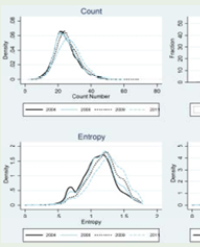
China has been undergoing a dramatic transition in food consumption since a few decades ago. The composition of diet has changed significantly. We assessed the trend of dietary diversity in China with four indicators. Count Index (Count), Dietary Diversity Score (DDS), Entropy (Entropy) and Simpson Index (Simpson) were adopted to measure the dietary diversity of 24542 adults (>17 years) through the data of 4 rounds (2004, 2006, 2009, 2011) of China Health and Nutrition Survey (CHNS). Results indicated that dietary diversity increased over time, and it was unequally distributed among different regions and families. Further investigation found that it was positively associated with accessibility of food (p<0.01) and other social-economic factors such as family income, household size, gender, age, education and region.

Xu Tian1, Hui Wang2*, Chao Liu3 and Hong Fan4


Article Image 1

Obesity Paradox in Type 2 Diabetic People: the Evidence Suggests that is the Results of Studies

There is growing evidence that overweight or obese patients with cardiovascular disease survive longer than their normal-weight counterparts, an effect called the “Obesity paradox”. Similar effect might exist in patients with Type 2 Diabetes Mellitus (T2DM), however, results conflict; some studies confirm such effect while others observed negative associations between higher BMI and mortality rates. A brief review of the more powerful studied suggest that obesity paradox in T2DM people is rather product of studies biases than a real biological phenomenon.

Ricardo V García-Mayor*


Article Image 1

Effect of Serum Concentration of Iron and Magnesium in Plasmodium Falciparum Malarial Infected Children

In endemic countries, Plasmodium falciparum, a pathogenic agent of malaria remains a major cause of morbidity and mortality of children under five years

Samuel Kofi Tchum*


Article Image 1

The Use of Photography for Determining Macronutrient Intakes of High School Students Participating in the National School Lunch Program

Background: The nutritional quality of the National School Lunch Program (NSLP) meals has been criticized as a major contributor to the obesity epidemic in U.S. children. There is need to determine the actual gram consumption and compare the energy and macronutrient contributions of these meals with foods eaten when not at school. Objectives: To determine if photography is a reliable data collection tool for measuring food intakes of high school students who participate in the NSLP. Secondly, to compare the energy and macronutrient content of the NSLP meals with meals eaten when not at school and along with student’s Body Mass Index (BMI). Methods: Researchers measured the amounts of food consumed by the students in one high school in Illinois using photographs of before and after food trays and weighed food wastes for comparisons. Actual wastes were weighed and compared with the estimated gram wastes by blinded independent observers. Estimated percentage wastes were converted into gram amounts based on actual gram weight of the food items. Students completed a demographic and physical activity questionnaire and a 3- day food record to determine the contribution of calories and macronutrients consumed when not at school. Self-reported heights and weights were used to determine BMI. Thirty-six students from grades 9-12 participated in this pilot study, mean age was 16.41±1.30. Results: Significantly high inter-rater reliability (r= 0.966, p<0.001) was found for photographic estimates and actual gram amounts of food consumed. Paired samples t-test for calories and macronutrients was significant (p<0.05) for meals eaten when not at school with those provided by the NSLP lunch meal. Overall, the NSLP meals provided fewer calories and macronutrients. Mean BMI was 23.09±3.74. High BMI was reported despite being physically active. Conclusion: High inter-rater reliability was found for photographic estimates and actual food waste. Photography is a reliable tool for measuring food intakes of high school students. Energy and macronutrient intakes were higher for meals eaten when not at school compared to that provided by the NSLP. BMI was not related to calories provided by the NSLP meal nor physical activity.

Sheila Barrett1*, Ashley Kyle1, Veronica Skaradzinski1 and Calvin Min Hua Leong1


Article Image 1

Our Healthy Block: Evaluation of a Community-Based Healthy Eating and Physical Activity Intervention

Background: Philadelphia has a high prevalence of hypertension, heart disease, diabetes and obesity. To reduce chronic disease, there is a need for targeted, innovative community-based interventions to improve the food and physical activity environments for urban residents. This case study describes the development and evaluation of a pilot program to address barriers to healthy food access and physical activity environments in a West Philadelphia neighborhood.

Community context: The Our Healthy Block (OHB) intervention took place on three blocks in West Philadelphia. Project staff worked closely with the local community association and the neighborhood Community Development Corporation.

Methods: The intervention was informed by a community advisory board and by findings from a mixed- method study of food and physical activity environments in the same community. Project staff facilitated block- based events and other activities in the neighborhood, working with Block Captains. Evaluation included baseline and follow-up surveys of residents, tracking of activity participation and ratings, and interviews.

Outcome: Block-based events were well attended, but fewer residents attended activities at locations outside the block areas. Surveys revealed a trend toward reduced consumption of high-fat foods. There were no significant changes in other key outcomes.

Interpretation: Overall, the OHB intervention was well received, particularly when activities were hosted on participating blocks. To maximize participation and impact nutrition and activity behaviors, events should be held in close proximity to residents’ homes. The program impact was limited by lower participation at other locations and by communication challenges and time constraints of community partners and residents.

Karen Glanz1, Nicole Thomas1, Allison Karpyn2, Colleen Watts1, Alexandra Tomlinson1 and Carolyn Cannuscio1