SM Journal of Endocrinology and Metabolism

Archive Articles

Article Image 1

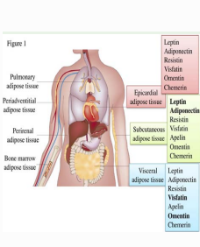
Adipokines at the Cardiovascular System: Role in Health and Disease

Although a high body mass index is related to the development of cardiovascular risk factors, nowadays there are numerous evidences supporting the idea that the regional fat accumulation, its function and its endocrine products are more important than the excess of adiposity per se when considering the risk of cardiovascular disease development. In this review, we will focus on the function of the main adipokines and its role at cardiovascular level.

Sandra Feijóo-Bandín*, Diego Rodríguez-Penas, Vanessa García-Rúa, Ana Mosquera-Leal, José Ramón González-Juanatey, and Francisca Lago


Article Image 1

Study of 25-Hydroxyvitamin D Levels and Bone Health Markers in Apparently Healthy Medical and Paramedical Staff of Tertiary Care Hospital

Introduction: Vitamin D Deficiency (VDD) in health care workers is thought to be widely prevalent due to poor sunlight exposure due to the nature of their work. However, there is limited information of the vitamin D status in them. Hence this study was undertaken to assess vitamin D status in health care workers based on their nature of work and employment in the hospital.

Material and Methods: The study was carried in 229 healthy health care workers in a tertiary care hospital. These subjects, who were divided in six groups as per their employability: Group-1 (Medical Officers- 37), Group-2 (Nursing Officers-44), Group-3 (O.T. staff-36), Group-4 (Nursing assistant Acute ward- 38), Group-5 (Nursing assistants Non-acute wards-37) and Group-6 (Ambulance assistants-37). They underwent clinical, biochemical and hormonal evaluation for serum 25 (OH) D, iPTH, BsALP and osteocalcin levels.

Results: There were 229 health workers with a mean age of 35.5 ± 7.5 years (range 19-52 years). A total of 45 subjects (19.6%) had VDD [25(OH) D ng/ml], and 151 (65.9%) were vitamin D insufficient [25(0Hp 20-<30 ng/ml] and rest were Vitamin D Sufficient (VDI) [25(OH) D 230 ng/ml]. Nurses and operation theatre; Staff had higher prevalence of VDD and VDI than ambulance assistants. Serum 25(OH) D levels were negatively; Correlated with PTH (r -0.156, p <0.0001), BsALP (r -0.131, p < 0.001) and osteocalcin levels (r -0.129, p S' 0.001). Prevalence of secondary hyperparathyroidism increased from 30.46% to 58.35% from VDD.

Conclusion: Vitamin D insufficiency is universal in health care workers. Absence of a PTH, BsALP and osteocalcin response was observed in more than 40% of individuals with VDD, the cause of which merits further evaluation.

KS Brar¹* and MK Garg²


Article Image 1

Prognostic Factors for Patients with Renal Cell Carcinoma and Tumour Thrombus: A Review

Background: There has been a large set of studies on potential prognostic factors in patients with renal cell carcinoma and venous tumour thrombus. However, the epidemiological evidence for the effect on survival of many them has not been consistent. Therefore, we conducted a literature review of the studies on the prognostic factors in patients with renal cancer and tumour thrombus extending into the venous system to identify determinants with the strongest predicting potential.

Methods: We performed a literature review by searching the PubMed database for articles published from its inception until November 2015 based on clinical relevanc

Results: There have been several anatomical, histological, clinical and molecular prognostic factors identified in patients with the renal cell carcinoma and tumour thrombus. Anatomical factors of the highest prognostic potential include extent of tumour thrombus, venous wall cancer invasion, and metastases to the regional lymph nodes or distant organs. Whereas the most important histological prognostic factors include renal cell carcinoma subtype, tumour grade and presence of tumour necrosis, sarcomatoid features, microvascular, as well as the renal collecting system cancer invasion. Both clinical and molecular determinants have received a very limited amount of attention in terms of prognostic usefulness in renal cell carcinoma patients with tumour thrombus.

Conclusion: Although several anatomical, histological, clinical and molecular factors have been associated with the prognosis in patients with renal cell carcinoma and venous tumour thrombus, in majority of cases the evidence is based on retrospective and limited in size studies. Therefore, further multicetre and prospective studies are needed to better understand determinants negatively affecting outcome in patients with renal cell carcinoma and tumour thrombus.

Tomasz Golabek¹*, Jakub Bukowczan², Mikolaj Przydacz¹, and Piotr L. Chlosta¹


Article Image 1

Atherogenic Dyslipidemia as a Marker of Cardiometabolic Risk

Current scientific evidence indicates the association between the elevation of triglycerides (TG), the decrease the High Density Lipoprotein Cholesterol HDLC and the increase in cardiovascular risk.

Jesus E Millan Nunez-Cortes¹* and Joaquin J Millan Perez²


Article Image 1

Higher Levels of Serum Lycopene are Associated with Reduced Prevalence and Mortality of Metabolic Syndrome

Metabolic syndrome is a cluster of metabolic disorders, including increased fasting glucose, blood pressures, plasma triglyceride, and reduced High-Density Lipoprotein (HDL) cholesterol concentrations and abdominal obesity.

Guang-Ming Han¹˒²*


Article Image 1

From Bariatric to Metabolic Surgery

The prevalence of type 2 diabetes mellitus is rapidly increasing worldwide. In 2010, the global prevalence was estimated at 8.3% of the adult population, a proportion that is projected to increase to 9.9% by 2030.

Marcus Vinicius Dantas de Campos Martins¹*


Article Image 1

The Influence of Iron Status in Hba1c Analysis

Glycohemoglobin (HbA1c) is the N-terminal (1-deoxyfructosyl) valineglycation product of hemoglobin Hb A0 .

Urrechaga E*


Article Image 1

Understanding Biomarkers Involved in Healing Delay in Diabetic Wounds

Neuropathy and ischemia are the main disorders found in the ulceration underlying foot. The diabetic foot is the biggest complication of diabetes in the world. It estimates that 16 million of people in the carrying the United States of diabetes mellitus, about 15-20% will go to be hospitalized for complications of the diabetic foot. The inquiry concerning the physiopathologic alterations of the involved factors in the healing process of the carrier of diabetes mellitus and the complications generated for the vascular dysfunction still presents gaps. In this review, it was aimed to analyze the involved components in the tissue repair and its alterations in the diabetic patient. This is a descriptive study in which had analyzed articles indexed in the databases PUBMED and MEDLINE, in the period of 1930-2016. The study disclosed that some factors in the process of tissue regeneration, as the vascular endothelial growth factor and the fibroblast growth factor, could be altered to the hyperglycemic state. Moreover, the alterations of oxidative stress in special nitric oxide could influence negatively in the tissue repair.

José Carlos Tatmatsu-Rocha*