SM Journal of Pediatric Surgery

Archive Articles

Article Image 1

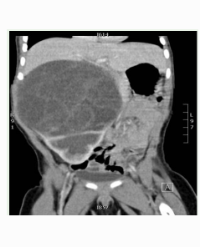
Giant Mesocolon Cyst in a Child: A Rare Presentation

Mesenteric cyst is a rare cause of intra-abdominal mass in children. The most common site is the mesentery of the ileum. The other rare sites are descending colon, sigmoid colon, and the retroperitoneum. We are presenting a case of 12 years old male who presented to us as epigastric mass and was finally diagnosed to have huge sigmoid mesenteric cyst. We want to emphasize here that the sigmoid mesenteric cyst which in itself is a rare entity can also present as an epigastric mass making the diagnosis even more difficult.

Rizwan Ahmad Khan¹, Rafiul Imad Finan², Shahab Faria Shahabuddin³, and Shagufta Wahab⁴*


Article Image 1

How Well Can the Parents, Dentists or Dental Surgery Assistants Assess Children

Aim: To investigate and compare parent, dentist and Dental Surgery Assistant (DSA)’s ability in assessing child’s dental anxiety and to identify the factors that can influence their assessments.

Design: All 3-5 years old children who first visited the Paediatric Dentistry Clinic of the Prince Philip Dental Hospital were recruited. The accompanying parents were given a questionnaire which consisted of 2 parts, including (i) parent’s and child’s demographic backgrounds and their own dental histories, and (ii) parent’s self-report Modified Dental Anxiety Scale (MDAS) and parental proxy of the Modified Child Dental Anxiety Scale (MCDAS)
Oral examination was carried out in a clinic setting and the subjects were given the Facial Image Scale (FIS) which comprises of five faces from very happy to very unhappy. The child was asked to select the one that represents him self or her self at that moment before the dental examination. The score was given by the value 1 to the happiest and 5 to the unhappiest. The parent, dentist and DSA were also asked to select the value that they thought which represented the child best at that moment.

Results: The mean FIS score reported by children was 2.16. The mean FIS score reported by the parents, dentist and DSA were 2.61, 2.69 and 2.59, respectively. The agreement of parents, dentist and DSA with the children regarding the FIS score was analysed using the Linear Weighted Kappa and the figure was 0.225, 0.311 and 0.328. Parent’s agreement with the children regarding the FIS scores appears to be affected by whom the child’s main caregiver is. Both DSA and dentist’s agreement with the children regarding the FIS scores appears to be affected by the child’s age.

Conclusion: The study showed that the agreement of the parents, dentist and DSA with the children regarding the FIS is weak. Assessment by observation is operator-biased and may be inaccurate. They tended to overrate the anxiety level. DSA and dentists showed better agreement compared to the parents. Children’s self-reported level of dental anxiety should be first considered even in young children whenever it is possible.

Mildred Lok Wun Wong, Sarah Hiu Fong Lai, Hai Ming Wong*, Yu Xin Yang, and Cynthia Kar Yung Yiu


Article Image 1

Mupirocin or Neomycin for Exit-Site Care in Children with Chronic Peritoneal Dialysis

Objectives: Exit-site care is important in prevention of Peritoneal Dialysis (PD) associated infections. But there was no clear recommendation for standard exit-site care. The aim of the study was compare local mupirocin and neomycin in exit-site care of chronic PD.

Methods: 32 children in chronic PD was included the study. The mean age was 11.3±4.8 years and mean follow-up period for dialysis before study was 15.9±10 months. The patients were randomized to mupirocin (n=16) or neomycin (n=16) groups and followed for 12 months. Mupirocin or neomycin was added to standard exit-site care with local dressing every alternate day.

Results: Total 313 patient follow-up months was recorded. Mean exit-site score at beginning and end of the study was not different in both groups. The increasing of the exit-site score between beginning and end of the study was significant in mupirocin group (p<0.01). Total 6 exit-site infection (3 culture negative, 1 MRSA, 1 pseudomonas and with 1 corynebacterium) was found in 4 patients. The incidence of exit-site infections was 24 treatment months in mupirocin group and no exit-site infection was found in neomycin group (p=0.036). Total 15 peritonitis (5 culture negative, 4 MRSA, 2 streptococcus, 2 staphylococcus, 1 E.coli, 1 enterococus) was recorded in 13 patients during study. The peritonitis incidence was not different between mupirocin and neomycin groups respectively (20.9 vs. 20.9 treatment months.

Conclusion: Neomycin is more effective then mupirocin for prevention of exit-site infection in children with chronic PD with relatively higher local adverse events.

Erkin SERDAROGLU, Aysen TOKTAY, Kadriye OZDEMIR*, and Mustafa BAK


Article Image 1

Management of the Caustic Strictures of the Esophagus in Children: Six Years

Background: In developing countries, most of esophageal burns are seen at the step of caustic stenosis which is frequent, and their treatment is grafted with difficulties associated with lack of therapeutic means. We aim to take stock of accidental circumstances, therapeutic and evolutionary aspects of cases we treated during six years’ experience.

Materials and Methods: It was a retrospective study over 6 years in the Pediatric Surgery Department of Lomé, involved children treated for esophageal caustic stenosis. Savary-Gilliard dilators were used for dilations by laryngoscopy. Endoscopy was not available on-site. Therapeutic results were assessed on the quality of the oral feeding recovery and were considered successful in case of normal oral total swallowing; average in case of semi-solid food swallowing and bad in case of important dysphagia sequelae or death.

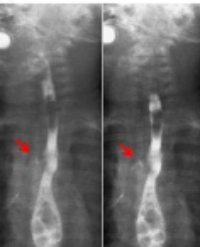
Results: During 6 years, 18 cases of caustic stenosis of esophagus were treated in 10 boys and 08 girls with average age of 5.03 years. Ingestion was accidental in 17 cases and intentional in 1 case. Caustic agents were a base in 17 cases and a hydrochloric acid in 1 case. UGI was implemented in 17 children. Stenosis were in the middle third in 10 children, the upper third in 5 children, the lower third in 1 child, the esophageal mouth in one child and a triple stenosis layered in 1 child. Fifteen children were treated by esophageal dilations, one had esophagocoloplasty, one is waiting for esophagocoloplasty and one was transferred to Switzerland for a pharyngo-oesophagoplasty. Results were good in 16 cases and bad in 1 case. In the latest case, the result will be appreciated after the oesophagoplasty.

Missoki Azanlédji BOUME¹*, Komlan ADABRA², Ayi Kossigan Adodossi AMAVI², Telly Bailo KANTE¹, Komlan Anani MIHLUEDO-AGBOLAN¹, Sessime Yawa SANNI¹, Serge Codjo METCHIHOUNGBE¹, and Gamedzi Komlatsè AKAKPO-NUMADO¹


Article Image 1

COQ6 Mutation in Patients with Nephrotic Syndrome, Sensorineural Deafness, and Optic Atrophy

Introduction: Primary coenzyme Q10 (CoQ10) deficiencies are a group of mitochondrial disorders that has proven responsiveness to replacement therapy. Mutations in enzymes involved in the biosynthesis of CoQ10 genes are associated with these deficits. The clinical presentation of this rare autosomal recessive disorder is heterogeneous and depends on the gene involved. Mutations in the COQ2, COQ6, PDSS2, and ADCK4 genes are responsible for Steroid-Resistant Nephrotic Syndrome (SRNS), which is associated with extra-renal symptoms. Previous studies have reported COQ6 mutations in 11 patients from five different families presenting with SRNS and sensorineural deafness.

Case reports: Our study reports the cases of two brothers of Turkish origin with renal failure and sensorineural deafness associated with COQ6 mutations responsible of CoQ10 deficiency. Ocular symptoms were present in the eldest that improved with coenzyme Q10 therapy.

Conclusion/Discussion: For the first time, COQ6 mutation with ocular involvement is associated with renal and hearing impairment. Although the response to replacement CoQ10 therapy was difficult to evaluate, we think that this treatment was able to stop the disease progression in both patients, and even to prevent the occurrence/development of ocular and neurological impairment in the younger brother. Mitochondrial dysfunction secondary to CoQ10 deficiency should always be suspected in patients with SRNS and extra-renal symptoms. Early recognition of this genetic SRNS is mandatory since SRNS can be avoided by adequate treatment based on CoQ10 supplement. All cases of primary CoQ10 deficiency should be treated at an early stage to limit the progression of lesions and prevent the emergence of new symptoms.

Justine Perrin¹, Caroline Rousset-Rouvière¹*, Florentine Garaix¹, Aline Cano², John Conrath³, Olivia Boyer⁴, and Michel Tsimaratos¹


Article Image 1

Epidemiological Profile of Traumatic Brain Injuries in Children

The head injury is one of the most common traumatic pathology that may be the cause of serious sequelae; particularly since it mainly affects the young active population

Aim: The aim of this study is to evaluate the epidemiologic profile of victims of head trauma and the lesion characteristics.

Patients and methods: This is a retrospective descriptive study including all children (age 0 to 15 years) who have been hospitalized in the year 2010 for head injury in our department.

A total of 191 children (131 boys and 60 girls) with a mean age of 5, 94 years were managed. The causes of head injury were: domestic accidents in 65, 9% of cases, accident of public roads in 32, 5% of cases and aggression in 3 cases. Head injuries were benign in 83, 4% of cases, moderate in 8, 9% of cases and severe in 3, 7% of cases. 188 patients were explored by CT scan that objectified an elementary lesion in 63, 3% of cases. In major cases, treatment consisted in saline infusion, oxygenation and neurological monitoring. Intubation and mechanical ventilation was necessary in only 11 cases (5, 76%). Evolution was satisfactory in 96% of cases. Five patients died in our series and tow had major neurological sequelae.

Conclusion: Head trauma is common in children especially in males. Although most of them are benign, it may in some cases be responsible for major neurological sequelae.

Rachid Khemakhem¹*, Kawther Aloui¹, Houda Rahay¹, Faouzi Nouira¹, Fouzia Chennoufi¹, Héla Louati², Sofiane Ghorbel¹, Sonia Ben Khalifa³, Ibtisem Bellagha², and Said Jlidi¹


Article Image 1

Thoracoscopic Repair of Recurrent Tracheo-Esophageal Fistula (TEF) Following Failed Primary Open Repair for Congenital Esophageal Atresia with TEF

Thoracoscopic repair in Esophageal Atresia (EA) with or without a Tracheo-Esophageal Fistula (TEF) has been proven an effective and safe technique with minimal complications compared to open thoracotomy, such as chest wall deformities, scoliosis...etc. We present a case of recurrent TEF after open repair of EA with distal TEF that was successfully repaired by Thoracoscopic surgery.

Tse-Yu Chen¹, Sheng-Yang Huang¹², Hou-Chuan Chen¹, and Chia-Man Chou¹²*


Article Image 1

Pediatric Femoral Hernia Associated with a Fibrolipoma: A Case Report and Review of Literature

Femoral herniae are uncommon in childhood, accounting for less than 1% of all groin hernia. Preoperative misdiagnosis rate of 40 to 75% has been attributed to relative rarity of these lesions.

Volkan Sarper Erikci¹*, Merve Dilara Öney¹, and Gökhan Köylüoğlu²


Article Image 1

A Rare Complication after Urethroplasty: Epidermoid Inclusion Cyst

Epidermoid ?nclusion Cysts (EIC) occur as a result of the implantation of the epidermal keratinized squamous epithelial cells and sebaceous glands into the dermis and subcutaneous tissue after trauma and surgical interventions. A 5-year-old boy with a penile EIC who was operated elsewhere at the age of 1 year for an anterior hypospadias with a usage of skin graft covering urethroplasty is presented and discussed with regard to the foregoing literature. In order to avoid psychological and surgical trauma that can be seen after circumcision and hypospadias surgery in children, all the surgical interventions should be performed carefully. And during surgical intervention implantation of the epidermis into the dermis and subcutaneous tissue should be avoided.

Volkan Sarper Erikci¹*, Merve Dilara Öney¹, and Gökhan Köylüoğlu²


Article Image 1

Atypical or Non-Typical Appendicitis in Children: Chronic or Acute? The Role of Ultrasound. A Case Report

Chronic Appendicitis (CA) is still considered a controversial diagnosis. Although it should be included in the differential diagnosis of recurrent abdominal pain. It was initially reported by Crymble and Forsythe, who defined chronic appendicitis as a condition with one or more mild attacks of appendicitis occurring in a sequence that might include more severe attacks [1]. This definition has mildly changed over the years. In current practice, chronic appendicitis is best defined by clinical course and histological findings as a long-standing inflammation or fibrosis of the appendix that presents clinically as prolonged (> 48 hours) or intermittent abdominal pain. Ultrasound imaging has been widely used (using graded compression technique for appendix visualization) for the diagnosis and follow up of acute appendicitis [2-5]. But there are no definite sonographic criteria for chronic appendicitis. We present the case of a 9, 5-year-old girl with history of recurrent abdominal pain lasting one and a half month with co-existence of mesenteric adenitis, who eventually underwent appendectomy and histopathology revealed acute or chronic appendicitis.

Constantinia Boursiani¹, Georgios Charalampoulos¹, Themistoklis Boursianis², Ioannis Thanasas³, and Georgios Karapostolakis⁴


Article Image 1

Acute Appendicitis: A Very Short Tale

There is a wide range of anatomical variation in appendiceal length reported in the literature despite the appendix achieving its adult proportions at approximately 3 years of age. Our seven year-old patient had acute appendicitis with a 1cm appendix well outside of the normal range. This variation should be kept in mind as it may impact imaging and treatment of acute appendicitis in special circumstances.

Maija Cheung, Muriel Cleary, and Doruk Ozgediz


Article Image 1

Pediatric Distal Radius Fracture Malunions: Overview and Current Treatment Recommendations

Pediatric distal radius fractures are common injuries. Most can be treated with closed reduction and immobilization. However, malunions can be sequelae of this injury pattern due to the risk of re-displacement after initial reduction, and clinical manifestations of these complications can be significant. In addition to malunion, the most concerning of these complications are nonunion and growth arrest. Addressing these concerns, particularly accurately determining which are clinically significant and may warrant surgical intervention, presents considerable clinical challenges. Acceptable parameters for flexion-extension angulation, radial-ulnar deviation and malrotation are controversial and vary based on age. Patients with functional impairment of motion, pain, and or deformity due to malunion may be candidates for surgical reconstruction. Among these, the greatest improvements have been documented in patients with supination deficits, but the literature provides insufficient evidence to draw specific and definitive conclusions. The most commonly used reconstruction techniques are dorsal opening wedge osteotomy of the distal radius with volar bone grafting and ulnar shortening osteotomy, with release of the interosseous membrane. These are complex procedures that require assessment of 3-D anatomy, meticulous pre-operative planning and templating and continuous intra-operative reassessment. In addition, the risks of long-term sequelae, such as residual deformity resulting in impaired function, as well as an unacceptable cosmetic result, must be discussed with patients and their families at length when discussing the potential benefits, as well as complications, of operative versus non-operative management of malunions of the distal radius and forearm.

Anil Akoon, C Liam Dwyer, Terri A Zachos*, and Mark A Seeley


Article Image 1

Pyometra in Infants

A 5 month-old infant consulted in pediatric emergency with abdominal discomfort and intermittent fever for last four days. On physical examination, she presented a mild abdominal distention. During bladder catheterization in the study of unexplained fever, drainage of pus was visualized by introitus [1-3]. Abdominal ultrasound showed a heterogeneous collection located between bladder and rectum, compatible with uterine abscess.

Laura García Alonso*, B Fernández Caamaño, and Gómez Veiras JR


Article Image 1

Intestinal Perforation Following Treatment of Viral Croup: A Consequence of Disease or Intervention?

We present two cases of intestinal perforation following admission and treatment for croup. The details of the respective hospital courses are discussed with a focus on potential etiologies of the intestinal demise. To our knowledge, these represent the only reported cases of viral croup progressing to intestinal perforation. Croup or laryngeotracheo-bronchitis is an infection of the upper respiratory tract most commonly affecting young children. This inflammatory process causes a classic barking cough and low grade fevers. It can be caused by myriad viruses with Parainfluenza 1 and 3 being the most common. Although generally self-limited, in its most severe form croup can cause severe respiratory distress requiring hospitalization. Current treatment of severe croup includes oral or intravenous steroids, racemic epinephrine, heliox and occasionally, intubation [1]. In general croup does not involve the gastrointestinal tract. We report two patients with severe croup requiring intubation that developed intestinal ischemia and subsequent perforation. To our knowledge, these are the only reported cases in the literature of croup and associated intestinal ischemia.

Ragavan Siddahrthan¹*, Avraham Schlager², and Matthew Clifton³


Article Image 1

Cystic Partially Differentiated Nephroblastoma: A Rare Form of Wilm

Wilm’s tumor is the commonest malignant renal tumor in infants and children. Congenital Cystic Partially Differentiated Nephroblastoma (CPDN) is a rare form of Wilm’s tumor. It presents with painless abdominal distention and flank mass. It is considered of low malignancy potential. Complete surgical resection is usually curative. We report a 10 month old boy with a right flank mass. CT scan showed a right well capsulated hypodense cystic mass occupying the whole kidney with septations. Right nephrectomy was done. The pathology revealed (CPDN). Post-operative course was uneventful. The infant is doing well.

Abdullah Alwabari¹*, Gamal Abbas¹, and Mohammed Al Darwish²


Article Image 1

Laparoscopic Assisted Approach to Paediatric Meckel

Materials and Methods: The patients were treated either traditionally (open method, Group-1) or laparoscopically (Group-2). After obtaining informed consent, Group-2 patients were submitted to diagnostic laparoscopy under general anesthesia. Briefly, the patient was placed in the Trendelenburg position, after which a 5 mm umbilical port was made for the telescope, two 3 mm or 5 mm working ports were made in the left lower quadrant and a 3 mm or 5 mm port was made in the left suprapubic region using the open Hasson technique.

Results: No complications were observed during the procedures in both groups. Follow-up varied from 6 months to 8 years and no complications were observed except one patient who underwent laparoscopic assisted wedge resection for rectal bleeding and was hospitalized with a small bowel obstruction secondary to adhesions 2 weeks later. He was successfully managed with medical treatment.

Discussion: We included patients who initially were started laparoscopically and then were converted into an open approach. A comparison of these two groups showed some factors that can be used to predict failure of laparoscopy in a complicated case of MS.

Conclusion: In conclusion, laparoscopy can be an alternative to open approach for managing MD in children but the usefulness of laparoscopy is limited when the diagnosis is an intestinal obstruction due to MD.

Abdullah Yıldız¹*, Mirko Bertozzi², Akgün Oral³, Melıh Akın¹, Alı Ahıskalıoğlu⁴, and Alı ıhsan Dokucu¹


Article Image 1

Transcatheter Versus Surgical Closure of Patent Ductus Arteriosus in Pediatric Patients: A Systematic Review With Meta-Analysis

Objective: Patent Ductus Arteriosus (PDA) is a common Congenital Heart Disease (CHD) usually treated with catheter closure or surgical ligation. Yet, there is no superiority of one procedure over the other. No prospective randomized trials have been done comparing device closure of PDA versus surgical closure of PDA. We performed this meta-analysis to compare the outcome of both treatment options to determine which option is superior to the other.

Methods: We performed a literature search of MEDLINE, PubMed, EMBASE, Google Scholar, CENTRAL, CINHAL, Cochrane library and literature references for articles published in the last 20 years between January 1997 and January 2017. We excluded studies of adult or premature patients, patients with other CHD, patients with metabolic or systemic disease and those without a direct comparison between surgical and catheter closure of PDAs. Outcomes of interest were success rate, residual shunt with reintervention, need for blood transfusion, complications and length of stay.

Results: Seven thousand five hundred seventy-eight articles were identified. Six studies fulfilled the inclusion criteria. Regarding success rate, no significant difference was found between surgical and catheter closure (RR: 1.01; 95% CI: 0.99- 1.03, P=0.35). Residual shunt was significantly lower in catheter closure than surgical closure (RR: 0.45, 95% CI: 0.21-0.94, P=0.03). Complications and need for blood transfusion were significantly lower in catheter closure (RR: 0.19, 95% CI: 0.11-0.32, P<0.00001) and (RR: 0.12, 95% CI: 0.05-0.32, P<0.0001) respectively. Length of hospital stay was significantly shorter after catheter closure (CI: -3.5- -3.1, P<0.0001).

Conclusion: Catheter closure was superior to surgical closure with lower residual shunt, complications, need for blood transfusion and shorter hospital stay but overall success rate was not higher than surgical closure.

Moshera El Nady¹, Doaa El Amrousy¹*, Nehal Salah², and Amr Zoair¹


Article Image 1

Management of Giant Spiegelian Hernia in Ziguinchor Regional Hospital: A Case Report

Spiegelian hernia is a rare entity, accounting for 0.10 to 1% of hernias. It is a protrusion of a peritoneal sac through an acquired or congenital anatomical orifice of the Spiegel line or semi-lunar fascia. We report a case of Spiegelian hernia in a 4-year-old girl with no pathological history, received for a right para rectal mass. Physical examination revealed a non strangulated spiegelian hernia of 13 × 12 cm. It was treated by a peritoneal closure according to lazaro Dasilva’s like technique with interposition of a polypropylene mesh. Spiegelian hernias are rare congenital malformations in children. It can be diagnosed clinically but sometimes requires paraclinical explorations (sonography or computed tomography). Surgical management has good results.

Diouf C¹*, Sow O², Diallo I², Coulibaly S², and Ngom G³