CSF-EEG FusionNet: A Novel EEG-Based Algorithm for Detecting Brainstem Distress in Chiari Malformation Patients
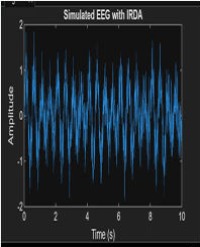
Chiari Malformation Type I (CM-I) is a neurological disorder in which cerebellar tonsils herniate into the spinal canal, disrupting cerebrospinal fluid (CSF) flow and potentially causing brainstem distress. While MRI provides structural information, it often fails to explain functional symptoms such as headaches, cognitive slowing, and autonomic dysfunction. This study introduces CSF-EEG FusionNet, a novel EEG based algorithm validated on real clinical EEG recordings from CM-I patients available in the PhysioNet database. FusionNet extracts three neurophysiological features, Intermittent Rhythmic Delta Activity (IRDA), nonlinear entropy, and phase-amplitude coupling (PAC), to generate a composite distress index. Applied to authentic patient EEG data, FusionNet successfully identified patterns consistent with brainstem distress, distinguishing between distress-positive and distress-negative cases. These findings demonstrate that EEG analysis can complement structural imaging, offering a non-invasive, functional biomarker for CM-I. This work lays the foundation for further validation on larger datasets, with the potential to enhance diagnostic accuracy and patient care.
Rajendra Nath Dasari*