Back to Journal

SM Journal of Endocrinology and Metabolism

Oxidative Stress, Antioxidative Enzymes and Dietary Antioxidant Intake in Patients with Diabetes Mellitus with and without Nephropathy

[ ISSN : 3067-9486 ]

Abstract
Details

Received: 12-Mar-2017

Accepted: 17-Apr-2017

Published: 27-Apr-2017

Anagha V Palekar and Kasturi Sen Ray*

Department of Social Science, Tata Institute of Social Science, India

Corresponding Author:

Kasturi Sen Ray, Department of Social Science, Tata Institute of Social Science, V.N. PuravMarg, Deonar, Mumbai, Maharashtra 400088, India, Tel: +91- 9820-399-490, Email: kasturisenray@ gmail.com

Keywords

Diabetes Mellitus; Oxidative stress; Malondialdehyde; Anti-oxidative enzyme system

Abstract

High oxidative stress due to increased free radicals generation and chronic hyperglycemia works in a vicious cycle by complementing each other, weakening the antioxidant enzyme defense system and finally may lead to diabetes mellitus. Increased oxidative stress is also suggested to be playing a key role in development of micro complication of diabetes. The present study has compared the anti-oxidative status and dietary pattern of Type-2 Diabetes subjects without complication (n=33), with complication (diabetes nephropathy: n=15) and age, gender, Body mass index matched control subjects (n=32). Indicator of oxidative stress and anti-oxidative enzyme levels were estimated. Present study has assessed oxidative stress in terms of Plasma malondialdehyde levels, which were found to be significantly high in subjects from both the diabetic groups as compared to normal subjects. All anti-oxidative enzymes were found to be lower in diabetic subjects compared to controls. Current daily consumption of dietary antioxidants (Beta carotene and vitamin C) was significantly low in all diabetic subjects compared to control whereas, amongst the two diabetic groups, it was significantly low in diabetes nephropathy group. In conclusion, increased generation of free radicals, weakened antioxidant enzyme defense and lower consumption of dietary antioxidant may increase oxidative stress and may contribute to progress of diabetic complications.

Citation

Palekar AV and Ray KS. Oxidative Stress, Antioxidative Enzymes and Dietary Antioxidant Intake in Patients with Diabetes Mellitus with and without Nephropathy. SM J Endocrinol Metab. 2017;3(1):1015s.

Other Articles

Article Image 1

Giant Cystic Prolactinoma in a Woman: Do not Forget the Hook Effect

Rodríguez-Gutiérrez R, Zapata-Rivera MA, Rodriguez-Velver KV, Montes-Villarreal J and Villarreal-Perez JZ. OPEN Giant Cystic Prolactinoma in a Woman: Do not Forget the Hook Effect. SM J Endocrinol Metab. 2015;1(1):1001.

René Rodríguez-Gutiérrez*, Maria Azucena Zapata-Rivera, Karla Victoria Rodriguez-Velver, Juan Montes-Villarreal and Jesus Zacarias Villarreal-Perez


Article Image 1

The Expression and Activation of Extracellular Signal-Regulated Kinase-1/2 and Proliferating Cell Nuclear Antigen Content in Normal Tissue and Human Thyroid Tumors

Extracellular signal-regulated kinase-1/2 (ERK1/2) activation and expression and proliferating cell nuclear antigen (PCNA) content in normal tissues, benign and malignant (metastatic and not metastatic) human thyroid tumors were studied. In malignant tumors and follicular adenoma tissue increased PCNA expression was observed, and the amount of antigen in tumor tissue, except for follicular carcinoma, exceeded the amount in the conditionally normal tissue. Importantly, in encapsulated papillary carcinomas this excess was 85%, while in nonencapsulated, metastatic tumors PCNA content was on average more than 3 times above normal, and in the cases of most aggressive tumors with metastases in lungs – even 4 times. Total ERK content was significantly lower in tumors compared to normal tissue, except goiter. Activation of the ERK was almost completely suppressed in tumors but not in normal tissue. Thus, ERK activation is not associated with proliferative processes in thyroid tumor tissue. PCNA amount in thyroid tissue could serve as one of diagnostic and prognostic markers, and development of effective antigen inhibitors may be a promising trend in thyroid cancer treatment.

Guda BB, Pushkarev VM*, Pushkarev VV, Kovalenko A Ye, Taraschenko YM, Kovzun OI and Tronko MD


Article Image 1

A Case of Severe Hypothyroidism Presenting only with Bleeding Diathesis

Hypothyroidism can present with variety of clinical features. But bleeding manifestations as a sole atypical presentation of hypothyroidism is extremely rare. Hemostatic disorder may be a manifestation of several underlying etiology. Here we have reported a case where a 14 yr old girl who initially presented with bleeding diathesis without any other symptoms suggestive of thyroid dysfunction but later found to be suffering from severe hypothyroidism after investigations.

Mukherjee Sudeb¹*, Datta Suhana², Datta Nath Pramatha³, and Maisnam Indira⁴


Article Image 1

Karyotype Based Multidisciplinary Approach in Adults with Turner Syndrome

Turner syndrome (TS) involves 45XO monosomy while TS variants are mostly 45XO/46XY or 45XO/46XX (with phenotype varying from female to male).

Mara Carsote¹* and Ana Valea²


Article Image 1

Mucocoele and Graves

Orbitopathy is an inflammatory disorder affecting orbital and per orbital tissue. It can manifest itself with proptosis. The main cause of proptosis in adults is Graves’ Orbitopathy (GO). Recognition of GO does not exclude other causes of exophthalmos and differential diagnosis is sometimes required. The case presents the patient with Graves Disease (GD), admitted to the Department of Endocrinology due to the symptoms of active orbitopathy. The patient had significant proptosis (right eye-30mm, left eye29mm). Computed tomography showed thickening of oculomotor muscles in both eyes but also a mucous cyst localized in the right frontal sinus. The patient underwent endoscopic, intranasal removal of the lesion. Due to active, moderate to severe orbitopathy, he underwent treatment with 12 weekly pulses of intravenous methylprednisolone, followed by a 3-month prednisone therapy and orbital radiotherapy. The case describes the patient with two coexisting pathologies. Each of them could manifest itself with proptosis. The main cause of proptosis is GO. Physicians must bear in mind that in case of atypical course of GO and lack of improvement, or worsening during corticosteroid treatment, differential diagnosis should be considered. It is worth emphasizing that one of the reasons of proptosis may be a mucocoele (mucous retention cyst).

Trautsolt-Jeziorska Katarzyna, Rutkowska Beata, and Miskiewicz Piotr¹*


Article Image 1

Atherogenic Dyslipidemia as a Marker of Cardiometabolic Risk

Current scientific evidence indicates the association between the elevation of triglycerides (TG), the decrease the High Density Lipoprotein Cholesterol HDLC and the increase in cardiovascular risk.

Jesus E Millan Nunez-Cortes¹* and Joaquin J Millan Perez²


Article Image 1

Study of 25-Hydroxyvitamin D Levels and Bone Health Markers in Apparently Healthy Medical and Paramedical Staff of Tertiary Care Hospital

Introduction: Vitamin D Deficiency (VDD) in health care workers is thought to be widely prevalent due to poor sunlight exposure due to the nature of their work. However, there is limited information of the vitamin D status in them. Hence this study was undertaken to assess vitamin D status in health care workers based on their nature of work and employment in the hospital.

Material and Methods: The study was carried in 229 healthy health care workers in a tertiary care hospital. These subjects, who were divided in six groups as per their employability: Group-1 (Medical Officers- 37), Group-2 (Nursing Officers-44), Group-3 (O.T. staff-36), Group-4 (Nursing assistant Acute ward- 38), Group-5 (Nursing assistants Non-acute wards-37) and Group-6 (Ambulance assistants-37). They underwent clinical, biochemical and hormonal evaluation for serum 25 (OH) D, iPTH, BsALP and osteocalcin levels.

Results: There were 229 health workers with a mean age of 35.5 ± 7.5 years (range 19-52 years). A total of 45 subjects (19.6%) had VDD [25(OH) D ng/ml], and 151 (65.9%) were vitamin D insufficient [25(0Hp 20-<30 ng/ml] and rest were Vitamin D Sufficient (VDI) [25(OH) D 230 ng/ml]. Nurses and operation theatre; Staff had higher prevalence of VDD and VDI than ambulance assistants. Serum 25(OH) D levels were negatively; Correlated with PTH (r -0.156, p <0.0001), BsALP (r -0.131, p < 0.001) and osteocalcin levels (r -0.129, p S' 0.001). Prevalence of secondary hyperparathyroidism increased from 30.46% to 58.35% from VDD.

Conclusion: Vitamin D insufficiency is universal in health care workers. Absence of a PTH, BsALP and osteocalcin response was observed in more than 40% of individuals with VDD, the cause of which merits further evaluation.

KS Brar¹* and MK Garg²


Article Image 1

Prognostic Factors for Patients with Renal Cell Carcinoma and Tumour Thrombus: A Review

Background: There has been a large set of studies on potential prognostic factors in patients with renal cell carcinoma and venous tumour thrombus. However, the epidemiological evidence for the effect on survival of many them has not been consistent. Therefore, we conducted a literature review of the studies on the prognostic factors in patients with renal cancer and tumour thrombus extending into the venous system to identify determinants with the strongest predicting potential.

Methods: We performed a literature review by searching the PubMed database for articles published from its inception until November 2015 based on clinical relevanc

Results: There have been several anatomical, histological, clinical and molecular prognostic factors identified in patients with the renal cell carcinoma and tumour thrombus. Anatomical factors of the highest prognostic potential include extent of tumour thrombus, venous wall cancer invasion, and metastases to the regional lymph nodes or distant organs. Whereas the most important histological prognostic factors include renal cell carcinoma subtype, tumour grade and presence of tumour necrosis, sarcomatoid features, microvascular, as well as the renal collecting system cancer invasion. Both clinical and molecular determinants have received a very limited amount of attention in terms of prognostic usefulness in renal cell carcinoma patients with tumour thrombus.

Conclusion: Although several anatomical, histological, clinical and molecular factors have been associated with the prognosis in patients with renal cell carcinoma and venous tumour thrombus, in majority of cases the evidence is based on retrospective and limited in size studies. Therefore, further multicetre and prospective studies are needed to better understand determinants negatively affecting outcome in patients with renal cell carcinoma and tumour thrombus.

Tomasz Golabek¹*, Jakub Bukowczan², Mikolaj Przydacz¹, and Piotr L. Chlosta¹


Article Image 1

Adipokines at the Cardiovascular System: Role in Health and Disease

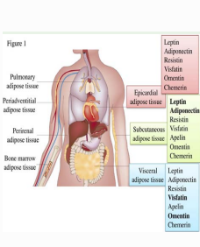
Although a high body mass index is related to the development of cardiovascular risk factors, nowadays there are numerous evidences supporting the idea that the regional fat accumulation, its function and its endocrine products are more important than the excess of adiposity per se when considering the risk of cardiovascular disease development. In this review, we will focus on the function of the main adipokines and its role at cardiovascular level.

Sandra Feijóo-Bandín*, Diego Rodríguez-Penas, Vanessa García-Rúa, Ana Mosquera-Leal, José Ramón González-Juanatey, and Francisca Lago


Article Image 1

The Influence of Iron Status in Hba1c Analysis

Glycohemoglobin (HbA1c) is the N-terminal (1-deoxyfructosyl) valineglycation product of hemoglobin Hb A0 .

Urrechaga E*