SM Journal of Clinical Medicine

Archive Articles

Article Image 1

Effects of an Early Cardiac Rehabilitation Following Heart Surgery in Patients Over 70 Years

Objective: The aim of the study was to evaluate the effects of an early comprehensive, individualized cardiac rehabilitation program shortly after cardiac surgery and to assess its impact on exercise capacity and quality of life.

Methods: This is a prospective study looking into 2 types of cardiac rehab in 100 patients (men and women), who underwent open heart surgery (for coronary artery bypass graft, heart valve replacement, or a combination of both). The participants were allocated in two groups. Specially designed, individualized step program adapted
for rehabilitation after cardiac surgery in the elderly was analyzed vs. our routine program. Individualized rehabilitation subjects (ICR-group), (n=50 mean age 72±3) received exercise plan, tailored to optimally meet the needs of every patient, while control group (RCR-group), (n=50 mean age 73±4) took part in regular program.

Results: ICR-group did better that RCR-group in 6-minute walk test. After cardiac rehabilitation significant improvement in the distance walked in 6 minute walk test (P < 0.01) was observed in both groups, with marked increase in the ICR-group. Furthermore, significant difference in walked distance between CABG and valve surgery patients (283.5±64 vs. 242.25±83.25), and in men compared to women (267.75 ± 76.5 vs. 220.5± 68.25) was found. In multivariate analysis gender, age, comorbidities and type of surgery were independently associated with the level of functional capacity improvement at discharge.

Conclusion: A personalized physiotherapy plan, devised to increase independent mobility soon after open heart surgery is safe, feasible and more effective than routine cardiac rehabilitation program

Alexiev A¹, Terziev A¹ and Gotcheva N¹*

Article Image 1

Phenotypic Tests of Bacterial Antimicrobial Susceptibility Testing: A Systematic Review

Background: Although a variety of methods exist, the goal of in-vitro antimicrobial susceptibility testingis the same; to provide a reliable predictor of how a microorganism is likely to respond to antimicrobial therapy in the infected host. This type of information aids the clinician in selecting the appropriate antimicrobial agent,
provides data for surveillance and aids in developing antimicrobial use policies. The objective of this review was to review phenotypic tests of bacterial antimicrobial susceptibility testing and to offer guidance in selecting the appropriate method of testing.

Result: In this review, we summarized the different phenotypic antimicrobial susceptibility tests including the principles, advantages and disadvantages. In addition, susceptibility testing of fastidious bacteria, anaerobic  bacteria and actinomycets are separately discussed. In-vitro antimicrobial susceptibility testing can be performed
using a variety of forms, the most common being disk diffusion, agar dilution, broth macro dilution, broth micro dilution, and a concentration gradient test.

Conclusion: The choice of antimicrobial susceptibility testing depends on different factors including the target organism, antimicrobial agent and testing intensions. The use of up-to-date interpretation breakpoints and regular quality control mechanisms is mandatory to maintain the reliability and reproducibility of test results and
to draw the trends of antimicrobial susceptibility. Because phenotypic tests are time consuming and technically demanding, clinical laboratories should look for rapid, easy and accurate automated methods of antimicrobial susceptibility testing.

Ataklti Hailu Atsbaha¹,²*, Dawit Gebremichael Tedla³ and Mebrahtu Teweldemedhin Shfare⁴


Article Image 1

The Effects of Bedside Shoulder Exercises in Stroke Patients with Severely Impaired Upper Extremity Function

Background: Stroke is the leading cause of serious long-term disability in older adults, and more than 70%of individuals experience Upper Extremity (UE) paresis after stroke. The effect of bedside shoulder exercise in stroke patients with severely disabled has not been evaluated, so, we investigated the effects these kind of
exercises in the ward for subacute stroke patients with severely impaired UE function.

Methods: Subacute stroke patients with severely impaired UE weakness who have a grade below poor for their motor power of the shoulder were enrolled in this pilot, case-control study. This study was conducted from May 2013 to October 2015 in Dong-A University Hospital, Busan-Ulsan Regional Cardiocerebrovascular center,
republic of Korea. Experimental group performed bedside shoulder exercises for 3 weeks. During the exercises, a caregiver supported the subject’s affected arm and assisted the subject in perform a precise exercise. An age-, stroke lesion-, and shoulder motor power-matched control group were enrolled. Manual Function Test
(MFT), Fugl-Meyer Scale (FMS), manual muscle test and modified Ashworth scale were used to assess shoulder functions. Radiological findings of Glenohumeral Subluxation (GHS) were measured. All evaluations were measured before and after 3-week treatment.

Results: Forty-three patients in the experimental group and fifty patients in the control groups were enrolled. When compared with control group, experimental group showed significantly more improvement in the scores of MFT and FMS, and radiological findings of GHS. Bedside shoulder exercise showed more effective when a
patient’s shoulder motor power grade was poor and the patient’s compliance was high.

Conclusion: Bedside shoulder exercise might be a helpful therapeutic option to enhance shoulder function in stroke patients with severely impaired UE. This protocol is simple, and feasible in clinical settings.

Sang Beom Kim¹, Yoon Sik Choi¹, Sook Joung Lee¹ and Min Kyu Park²*


Article Image 1

Rh Disease and Potential Implication of Fetal Microchimerism: A Case of Rising Rhesus

This is a classical case involving a woman with a history of giving birth to a child with Hemolytic Disease of the Newborn (HDN). The client was in her eleventh week of her third pregnancy when she reported to our facility for antibody detection, identification and titration. Consequently, we detected two alloimmune antibodies capable of crossing the placenta barrier; IgG B and Rh “D” antibodies. The Rh “D” antibodies were in alarming and increasing states from week 11 to week 25 when the woman traveled out of jurisdiction. The IgG anti-B was in a relative stable quantity throughout the monitoring period. She was delivered on the 38th week of gestation and the baby was typed to be A Rh “D” Negative and was not carrying any of the antigens to the antibodies detected. We found this worth reporting because there was no fetal stimulus causing the rising levels of the Rh “D” antibody; we thus propose fetal microchimerism as the potential cause since the woman had a history of bearing children with the antigens to the antibodies detected. This is a phenomenon that has been postulated to be involved in the etiology of hemolytic disease of the newborn.

M Akonde¹, EG Narter-Olaga¹, K Boaheng¹ and BB Antuamwine²*


Article Image 1

National Telemedicine and Telehealth Policy Context in England and Introduction of Digital Innovations for Detection and Treatment of Sexually Transmitted Infections

Chlamydia is the most common Sexually Transmitted Infection (STI) among young people aged 16-24 years old. The infection is largely asymptomatic and therefore regular screening is required to detect, treat and identify those at risk. If left untreated, chlamydia can result in serious long term consequences, particularly for women. These include pelvic inflammatory disease, ectopic pregnancy and infertility. Current levels of screening in the England cover only a small proportion of the eligible population. Technological advances offer the opportunity to redesign existing asymptomatic chlamydia screening/ testing and treatment pathways in England, leading to increased testing uptake, higher treatment rates and reduced disease transmission. Innovations underway include self-tests networked through mobile phones, combined with online clinical care and other non-face-to-face care pathways. Two levels of integration of technology into mainstream sexual health services are possible. The most ambitious is a fully remote online pathway incorporating a self-test, plus online treatment and partner notification. A less ambitious service would consist of postal home sampling kits with a partial remote online pathway for results notification, treatment provision and partner notification. In this article we discuss the current state of adoption of new technologies in the sexual health service delivery pathway within the overall context of digital technology use in England, the emergence of a national digital health policy, and challenges to the adoption of telemedicine and telehealth technologies. Consideration of these aspects should help technology developers, policy makers and service providers to optimize future technology adoption and service re-design in STI care or related clinical areas.

Sue Eaton¹*, Leeza Osipenko², Stavros Petrou¹, Deborah Biggerstaff¹ and Ala Szczepura³


Article Image 1

Evaluation of the Utility and Application of the Tardivo Algorithm to Predict of Amputation Risk of Diabetic Foot

Diabetes is a disease that affects about 422 million people in the world. It is associated with serious chronic complications, among which the diabetic foot stands out due to the rapidity with which it deteriorates the quality of life of these patients and can even lead to death.

Objective: To evaluate the usefulness of the application of the Tardivo Algorithm as a predict method for amputation risk in patients with diabetic foot.

Methods: The Tardivo Algorithm was designed to indicate the approximate risk of amputation in patients with diabetic foot injuries. Several parameters are used for their calculation, such as the staging of the lesions using the Wagner classification, the determination of peripheral arterial disease (using the ankle-arm index) and specifying the location of the ulcers. Based on their score system, we place patients in three categories: elevated amputation risk 12-32 points, moderate 8-11 and low 2-7 points.

Results: Twenty-four patients with mean age of 62 ± 9.8 years, were evaluated in the Diabetic Foot Sub-Unit during June to October 2015 and when using the Tardivo Algorithm, was found with a score of 12-32 points at 42% (n:10), a score of 8-11 to 25% (n:6) and a score of 2-7 to 33% (n:8) of the patients evaluated. Subsequently, in March 2016, 40% (n:4) of high risk patients were amputated, as were 17% (n:1) with medium risk.

Conclusion: The use of the Tardivo algorithm allowed us to make a prognosis of amputation risk and thus facilitate intensive treatment to prevent this serious complication.

Arias Yurianni¹*, Lares Mary²,³, Brito Sara², Gonzales Edwin², Castro Jorge² and Velasco Manuel⁴


Article Image 1

Assessment of Genetic Mutation Gene HPRT1 in Induce Lesch-Nyhan Syndrome in 20 Patients Tabriz, Iran

In this study we have analyzed 20 Lesch-Nyhan Syndrome (LNS) and 20 control group. The gene HPRT1 analyzed in terms of genetic mutation made. In this study, people who have genetic mutation were targeted, with nervous disorders, Lesch-Nyhan Syndrome (LNS). In fact, of all people with Lesch-Nyhan Syndrome (LNS) 20 Lesch-Nyhan Syndrome (LNS) had a genetic mutation in the gene HPRT1 Lesch-Nyhan Syndrome (LNS). Any genetic mutations in the target genes control group did not show

Shahin Asadi* and Mahsa Jamali


Article Image 1

Markers of Disease in Pratiques de Publication: A Surrealist Analysis

One of the aims of clinical and investigative dermatology is to develop a model of the processes underlying normal belief generation and evaluation, and to explain delusions such as delusional parasitosis in terms of impairments to processes implicated in this model of normal functioning. Clinical and investigative dermatology can be viewed, in this sense, as a branch of cognitive neuropsychiatry, which is in turn a branch of cognitive neuropsychology, a field that investigates disordered cognition as a means of learning more about normal cognition.

Max Coltheart¹* and Ryan McKay¹˒²


Article Image 1

A Chronic State of Systemic Stress: The Link Between Depression and Cardiovascular Disease?

Depression is one of the most frequent mental disorders in clinical practice, which has been closely associated with impaired daily functioning and quality of life, and increased morbidity and mortality. Although depression has been related to a wide spectrum of medical conditions, the link with Cardiovascular Disease (CVD) appears to be particularly robust in regards to epidemiology and pathophysiology. Indeed, depression and CVD may share a common mechanistic continuum via the molecular phenomena featured in a chronic stress response. In this regard, chronic inflammation, insulin resistance and dysregulation of thrombogenesis may be instrumental in the neurobiological “slippery slope” from chronic stress to depression, and further, to cardiometabolic disease. This article summarizes current knowledge on the pathophysiologic relationship between chronic systemic stress, depression and CVD, highlighting potential novel therapeutic targets.

Mervin Chávez-Castillo¹,², María Sofía Martínez¹*, María José Calvo¹, Milagros Rojas¹, Victoria Núñez¹, Víctor Lameda¹, Paola Ramírez¹, Joselyn Rojas-Quintero¹,³, Manuel Velasco⁴ and Valmore Bermúdez¹,


Article Image 1

Utilizing Principles of Universal Design to Support the Development of Rehabilitation Games for People with Dementia Living Alone: A Qualitative Study

The population of Hong Kong will continue to age as life expectancy increases and is projected to rise from 1,065,900 in 2014 to 2,582,300 by 2064 for the population aged sixty-five and over. In 2011, 12.7% of elderly aged sixty-five and above lived alone, constitute a 9.5% increase from 2006. Dementia is a biomedical disease that involves degeneration and increase in prevalence as the population ages. In 2014, there were about 70,000 elderly living with dementia aged seventy or over in Hong Kong. By 2036, it is estimated that one in three families will have member aged eighty-five or above with dementia. The Principle Investigator (PI) conducted participant observation with two elderly individuals living alone with dementia. They were invited to participate in four games facilitated by trainers in a natural setting. The PI conducted semistructured interviews to reveal the participants’ own interpretation of the games and clustered these observations into categories. A qualitative analysis of behaviours and emotional responses will be conducted as a foundation for future participatory design with care takers, designers and occupational therapists in order to propose a series of experience-based rehabilitation tool for dementia care day centres.

Alex Pui-yuk King*


Article Image 1

Physical and Rehabilitation Medicine in Patients Suffering from Chronic Pain

The World Health Organization (WHO) has defined Rehabilitation as “the use of all available means, with the aim of reducing the impact of disability as well as the diseases that cause it, allowing the disabled to reach an optimal level of social integration “.

Enrique Varela-Donoso¹*, Miguel Suárez-Varela¹, Mª Ángeles Atín-Arratibel², Mª Victoria González-López Arza³, Raquel Valero¹ and Susana Muñoz-Lasa¹


Article Image 1

Combined Spinal Epidural Anaesthesia for TURP in a Nigerian Geriatric Patient with Low Ejection Fraction- Case Report

Background: Anaesthetic management of patients with low ejection fraction secondary to dilated cardiomyopathy is a challenge to the anaesthetists as these patients are at increased risk of congestive cardiac failure, arrhythmias and sudden death.

Objective: To report a case of a 66 year old man with low ejection fraction secondary to dilated cardiomyopathy scheduled for Transurethral Resection of the Prostate Gland (TURP).

Method: Combined low dose spinal (2 ml of 0.5% of heavy Bupivacaine) and epidural anaesthesia was used in this patient to avoid drug induced myocardial depression of general anaesthesia. Patient had a bout of hypotension which was treated with 3mg of Ephedrine otherwise intraoperative and postoperative period were uneventful.

Conclusion: Anaesthesia for a patient with low ejection fraction secondary to dilated ardiomyopathy required that the patient should have a meticulous perioperative management to achieve a good outcome.

Adigun TA* and Sotunmbi PT 


Article Image 1

Short-Term Efficacy of Etamsylate Injection in Chronic Patellar Tendinopathy

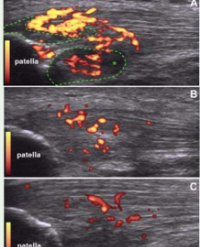
Chronic patellar tendinopathy is one of the most common overuse knee disorders. Etamsylate injection, performed in the peritendinous tissue of chronic patellar tendinosis resulted in reduction of pain and pathologic neovascularization with improvement of leg function, after four weeks of treatment.

Pedro Cuevas¹*, José Antonio Rodas², Javier Angulo³ and Guillermo Giménez-Gallego⁴


Article Image 1

Rifamycin Sv Intrasiniovally Injected in Arthritides Patients Showed Anti-Synovitis Activity and Some Features of the Disease Modifying Drugs

Objectives: We addressed retrospectively the results of polyintrasynovial infiltration with Rifamycin SV, related to 658 patients with different forms of arthritides. The objective was to verify whether this treatment, in addition to treating synovitis, had the ability to induce the remission of extrarticular signs of diseases.

Methods: The patients were subdivided according to the treatment schedule:

 - The group of arthritides (374) in which patients were subjected to infiltration on only one big joint with the aim to cure the individual synovitis;

- those (189) in whom the treatment had been extended from one to weekly infiltration of three or four big joints;

 - the group of patients (95) in which only the small joints were treatedd.

Each of 1,364 joints, 727 big and 637 small, had been infiltrated once a week for 10 weeks and all patients were followed for three years.

Results: The individual synovitis showed a significant correlation with the kind of arthritides, the presence of radiological damage and dimension of joints. Patients in whom three or four joints were weekly infiltrated showed the remission of extra articular manifestations in psoriatic arthropathy and the clinical improvement and normalization of inflammation markers in many patients with rheumatoid arthritis. These changes occur very slowly, sometimes months after the end of 10 weeks of infiltrations.

Conclusions: The outcome of synovitis was related to anti-proliferative and cytolytic properties of Rifamycin SV. The remission of extrarticular manifestations of arthritides should be sustained by complex immunological mechanisms that Rifamycin SV indirectly might have activated only when it was infiltrated by the intrasynovial route.

Caruso Innocenzo¹*, Cazzola Marco², Santandrea Salvatore³, Montrone Franco⁴ and Caruso Enzo Massimo⁵


Article Image 1

Modern Aspects of the Pharmacology of Acetaminophen: Mechanism of Action, Metabolism, Toxicity

Paracetamol (acetaminophen) is one of the world’s most widely used non-prescription medicines from cradle to grave. It is readily available and inexpensive. As an analgesic, paracetamol is better tolerated than the Non-Steroidal Anti-Inflammatory Drugs (NSAIDs) although it may be somewhat less efficacious. Paracetamol is used to treat many conditions such as headache, muscle aches, arthritis, backache, toothaches, colds, and fevers. It relieves pain in mild arthritis but has no effect on the underlying inflammation and swelling of the joint. The apparent COX-2 selectivity of action of paracetamol is shown by its poor anti-platelet activity and good gastrointestinal tolerance. Unlike both non-selective NSAIDs and selective COX-2 inhibitors, paracetamol inhibits other peroxidase enzymes including myeloperoxidase. Inhibition of myeloperoxidase involves paracetamol oxidation and concomitant decreased formation of halogenating oxidants (e.g. hypochlorous acid, hypobromous acid) that may be associated with multiple inflammatory pathologies including atherosclerosis and rheumatic diseases.

Yaqoub Kaboli* 


Article Image 1

Latest Scientific and Pharmacological Findings in the Face of AIDS: Mini Review

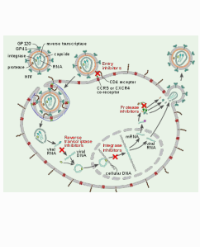
The human immunodeficiency virus, namely HIV, weakens the immune system’s resistance to off common germs, viruses, fungi, and other invaders. It’s the virus that causes AIDS, acquired immune deficiency syndrome. People with HIV can get sick easier than common. AIDS can’t be cured, but the medications available today help people stay healthy, live longer, and even obtain a normal life expectancy. There are two main types of the virus: HIV-1 and HIV-2. HIV-2 is most commonly found in West Africa, although places in other parts of the world are seeing it, too. HIV tests usually look for both kinds. The main goal of HIV treatment is to defeat the virus in your body. The most importance is trying to do this without causing unpleasant and unhealthy side effects. There’s no cure for HIV, but treatment options are much better than they were a few decades ago. Because of medical advancements, many people with HIV now live longer, active lives with HIV. More than thirty kinds of antiretroviral drugs have been approved by the FDA to treat HIV infection. We try in this review to discuss related methods against the AIDS.

Yaqoub Kaboli*