SM Journal of Nephrology and Kidney Diseases

Archive Articles

Article Image 1

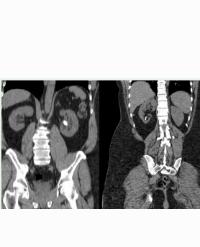
Evaluating the Kidney Stones; are the Volume and Size Equal in One or Two Dimensions? Accustomed Inaccuracy

Urinary lithiasis is a common disease, prevalence rates vary from 1% to 20%, according to gender, dietary, ethnic, the geographical, and genetic factors.

Musab Ilgi*, Kaya Horasanli and Sinan Levent Kirecci


Article Image 1

High-Dose Statin Associated with Rhabdomyolysis, Acute Kidney Injury, Cholestatic Liver Injury, and Thrombocytopenia

Introduction: Statins are the drugs of choice to reduce cholesterol and the incidence of cardiovascular events. Although rare, the side effects of these drugs may be severe (especially when given in the high doses recommended by the cardiologists), including: muscle damage, renal and liver injury and compromised function, and polyneuropathy.

Case Report: We report a case of statin-induced rhabdomyolysis, acute kidney and liver failure and thrombocytopenia that developed in a 76-year-old man, who was referred to our department because of severe generalized myalgia and muscle weakness, extreme fatigue, loss of appetite, dark brown urine. Following an acute myocardial infarction 8 months previously he was put on atorvastatin 80 mg once daily. Laboratory evaluation at presentation revealed much increased levels of muscle enzymes, aminotransferases, total and conjugated bilirubin, and nitrogenous waste products, and low platelets. A diagnosis of acute renal and liver failure secondary to the long-term intensive statin therapy was made. Atorvastatin was discontinued and forced alkaline diuresis was started. After five days of oliguria and slight but persistent increase in creatinine levels dialysis was initiated, but discontinued after 4 sessions, once urine output increased. At discharge the patient’s serum creatine kinase level was in the normal range, creatinine was significantly decreased the thrombocyte count was better, aminotransferase were much lower but not completely normalized, but the bilirubin remained at the same level. The patient was discharged and instructed to avoid any potentially nephrotoxic and hepatotoxic drugs until next outpatient evaluation.

Conclusions: Our case report is meant to raise concerns about prescribing high dose statins. Unfortunately the prescribing cardiologists may be insufficiently aware of the potential for severe adverse effects as these come to the attention of clinicians from different specialities, especially nephrologists.

Dorin Dragos1,2, Diana Pruteanu2 and Rodica Constantin2


Article Image 1

Biochemical and Histological Evaluation of Kidney Function in Rats after a Single Administration of Cyclophosphamide and Ifosfamide

Background: Cyclophosphamide (CP) and Ifosfamide (IF) are widely used cytotoxic agents. Both CP and IF exert some characteristic adverse drug reactions including kidney damage taking various clinical forms, depending on the applied dose or administration route. The aim of our study was to estimate kidney function using selected, classical biochemical parameters as well as analyzing the urinary concentration and excretion of a modern “kidney troponin” - neutrophil gelatinase-associated lipocalin-1 (NGAL-1) in rats after administration of a single CP or IF dose.

Methods: 30 rats were divided into three groups (n=10 each; half males and females): group 1 - control (rats receiving i.p. saline solution); groups 2 and 3 – rats intraperitoneally treated with a single CP or IF dose of 150 mg/kg b.w., respectively. Following saline/CP/IF administration, animals were housed in single metabolic cages, to assess 24-hour diuresis and to obtain urinary samples for further laboratory assays. Finally, blood samples were collected and rats were sacrificed to perform autopsy with cystectomy and nephrectomy with subsequent histopathological analysis. Standard parameters of kidney function were assayed either in blood or in urine with an additional assessment of the urine NGAL-1 level.

Results: Single administration of both CP and IF resulted in decreased pH of urine and proteinuria accompanied by an increased 24-hour urinary NGAL-1 excretion. Moreover, CP-treated rats demonstrated polyuria. Concentrations and 24-hour excretion of most classical, low-weight parameters were not different in both CP- and IF-treated rats compared to values observed in control animals.

The histopathological analysis in CP/IF treated animals revealed presence of cystic inflammatory lesions and a normal kidney structure, with the exception of a mild to moderate congestive hyperemia.

Conclusion: A single administration of CP and IF caused a functional kidney tubulopathy in study rats manifested by marked proteinuria with increased 24-hour NGAL-1 urinary excretion.

Łukasz Dobrek*, Agnieszka Baranowska, Beata Skowron and Piotr Thor


Article Image 1

Serum Glycoprotein Chondrex (YKL-40) and High Sensitivity C- Reactive Protein (hscrp) in Type 2 Diabetic Patients in Relation to Cardiovascular Complications

In Type 2 diabetes, C-Reactive Protein (CRP) as an inflammatory marker may be elevated. The glycoprotein Chondrex or YKL-40 is over expressed in many inflammatory conditions. The aim is to study serum hsCRP and YKL-40 in Type 2 diabetic patients in relation to cardiovascular complications.

Methods: Eighty subjects were divided into 3 groups: GROUP 1:16 apparently healthy controls, GROUP 2:16 patients suffering from Type 2 DM without cardiovascular complications and GROUP 3: 48 patients suffering from Type 2 DM with cardiovascular complications. Subjects with acute or chronic inflammation, autoimmune disease or malignancy were excluded. Electrocardiography, Carotid Intima Thikness, Fundus Examination, laboratory investigations: (Complete urine analysis, urinary albumin, Creatinine and calculation of urinary albumin to creatinine ratio, fasting and postprandial glucose, glycated hemoglobin, Creatinine and uric acid, lipid profile, glomerular filtration rate, CRP and YKL-40) were done to all subjects.

Results: High sensitivity CRP levels were significantly elevated in the diabetic group with cardiovascular complications when compared to the diabetic group without cardiovascular complications (p=0.024). YKL-40 was significantly higher in patients with type 2 diabetes mellitus than controls (p=0.017) and cardiovascular complications (p<0.001) contributed to its greater elevation.YKL-40 was positively correlated with triglycerides, systolic and mean blood pressure in the group of diabetic patients without cardiovascular complications and with duration of diabetes and urinary albumin to creatinine ratio in the group with cardiovascular complications. By drawing receiver operating characteristic (ROC) curve between diabetic patients without and with cardiovascular complications the AUC for hsCRP was (0.676, p=0.036) and for YKL-40 was (0.743, p=0.004). By studying the diagnostic performance, YKL-40 had a better specificity and positive predictive value than hsCRP.

Conclusion: YKL-40 has a better specificity and positive predictive value than hsCRP in discriminating between diabetic patients with cardiovascular complications from those without cardiovascular complications.

El-Attar HA¹*, El-Deeb MM¹ and El-Ghlied LA²


Article Image 1

Is There An Association Between Angiotensin II Type 1 Receptor A1166C Gene Polymorphism and Renal Scarring Susceptibility?

Relationship between Angiotensin II Type 1 Receptor (AT1R) A1166C gene polymorphism and renal scarring risk is still controversial. This meta-analysis was performed to evaluate the association of AT1R A1166C gene polymorphism and renal scarring risk susceptibility. A predefined literature search and selection of eligible relevant studies were performed to collect data from electronic databases of PubMed, Embase and Cochrane Library. Three literatures were identified and included for the analysis of the relationship between AT1R A1166C gene polymorphism and renal scarring risk. We found that AT1R A1166C gene polymorphism was not associated with renal scarring susceptibility using the comparison of patients with scarring vs patients without scarring (C: OR=1.33, 95%CI: 0.83-2.13, P=0.23; CC: OR=1.71, 95%CI: 0.22-13.56, P=0.61; AA: OR=0.69, 95%CI: 0.39-1.21, P=0.20). Furthermore, AT1R A1166C gene polymorphism was also not associated with renal scarring risk using the comparison of patients with scarring vs healthy control. In conclusion, AT1R A1166C gene polymorphism was not associated with renal scarring risk susceptibility. However, more studies should be performed in the future.

Tianbiao Zhou*#, Weiji Xie#, Zhijun Lin# and Zhensheng Yang


Article Image 1

Evaluation of Antidiabetic Plants used by Tribes of Telangana State on Diabetic Complications like Neuropathy, Nephropathy and Cardiomyopathy in Rats

Background: India is “diabetes capital of the world”. Diabetes Atlas 2006 published by International Diabetes Federation, India currently around 40.9 million is expected to rise to 69.9 million by 2025 unless urgent preventive steps are taken. Over the past 30 yr, the status of diabetes has changed from being considered as a mild disorder to major causes of morbidity and mortality.

Methods: Rats treated with Alloxan (150 mg/kg) i.p. results diabetic rats given ethanol extract of Senna auriculata leaf, Syzygium cumini (L.) Skeels seeds and Syzygium cumini (L.) Skeels seeds (150 mg/kg) p.o., respectively for 42 days. Biochemical parameters of diabetic neuropathy, nephropathy and cardiomyopathy and histopathology of sciatic nerve, kidney and heart was done at the end of study.

Results: In Diabetic Group found Blood Glucose Level (BGL) (84.42±6.384 to 369.36±7.784mg/dl); Muscle Grip Strength (MGS) (59.32±1.052 to 13.52±0.883seconds); Thermal Pain Response (TPR) (5.55±0.621 to 13.67±1.164seconds). blood protein (7.48±0.051 to 25.18±0.046mg/dl); urine protein (0.692±0.061 to 2.68±0.056mg/dl); blood albumin (1.94±0.043 to 0.248±0.007mg/dl); urine albumin (0.082±0.009 to 2.68±0.056mg/dl); blood myoglobin (0.042±0.00274 to 0.056±0.00207ng/dl); urine myoglobin (0.0048±0.00142 to 0.0098±0.00107mg/dl); Blood Urea Nitrogen (BUN) (23.04±1.093 to 124.81±1.238 mg/dl); Serum Creatinine (84.06±6.723 to 218.56±7.586 (µMol/dl). Etholic extract of Senna auriculata leaf, Phyllanthus emblica.L. fruits and Syzygium cumini (L.) Skeels seeds & combination treated groups found BGL124.42±7.042, 112.07±6.942, 126.25±7.051 & 98.83±6.932mg/dl; MGS 49.06±0.962, 52.05±1.247, 54.06±1.268 & 56.79±1.125 seconds; TPR 6.54±0.841, 7.38±0.802, 6.45±1.062 & 6.14±0.837 seconds; blood protein 7.98±0.039, 8.02±0.053, 8.06±0.039 & 7.48±0.045mg/dl; urine protein 1.22±0.058, 0.94±0.049, 0.96±0.056 & 0.82±0.062mg/dl; blood albumin 1.64±0.033, 1.82±0.036, 1.87±0.044 & 1.96±0.039mg/dl; urine albumin 0.122±0.008, 0.098±0.007, 0.132±0.009 & 0.108±0.011mg/dl; blood myoglobin 0.045±0.00189, 0.036±0.00177, 0.041±0.00223 & 0.043±0.00175ng/dl; urine myoglobin 0.0042±0.00129, 0.0052±0.00119, 0.0064±0.00126 & 0.0036±0.00125mg/dl; BUN 35.81±1.186, 36.06±1.123, 34.53±1.177 & 29.03±1.229mg/dl; Serum Creatinine 98.42±5.526, 99.73±6.064, 101.97±6.052 & 94.83±6.678µMol/dl.

Conclusion: Ethanol extract of Senna auriculata leaf, Phyllanthus emblica L. fruit and Syzygium cumini (L.) Skeels seeds (150mg/kg) and its combination normalizes biochemical parameters & Morphological changes in sciatic nerve, myocardium & kidney and improvement of the general behavioral parameters. Combination was found to be more effective in these diabetic complications.

Syed Ahmed Hussain and Ashish Kumar Sharma*


Article Image 1

Uric Acid, Metabolic Risk Factors, and Chronic Kidney Disease: Clinical Investigation in a Female Elderly Occupational Population in Taipei, Taiwan

Purpose: To explore the prevalence and associated factors for Chronic Kidney Disease (CKD) among female elderly fishing and agricultural population in Taipei, Taiwan.

Methods: Females (n=1,606) aged 65 years and over voluntarily admitted to a teaching hospital for a physical check-up were collected in 2010.

Results: The prevalence of CKD was 8.2%. Age, hyperuricemia, and hyperglycemia were statistical significantly related to CKD. The sensitivity and specificity of serum uric acid and fasting blood glucose concentration as a marker of CKD were estimated 76.5%, 70.9% and 51.5%, 53.5%, respectively.

Conclusion: Hyperuricemia and hyperglycemia independently affect the prevalent CKD in this sub-population.

Ya-Ting Liang¹, Hsi-Che Shen²˒³˒⁴, Yi-Chun Hu²˒³˒⁵, Yu-Fen Chen⁶˒⁷˒⁸ and Tao-Hsin Tung⁹˒¹⁰˒¹¹*


Article Image 1

Pseudohypercreatininemia after Sustanon Injection

The drugs used in the treatment of certain diseases may give impression of impaired renal function. These drugs cause a false high serum creatinine level. Laboratory findings other than serum creatinine and hypertriglyceridemia were normal. We presented a 28-year-old male with a high serum creatinine level, who was referred for consideration of urgent renal replacement therapy. The results of the investigations revealed that the result was the falsely-elevated serum creatinine due to the sustenance injection.

Can Hüzmeli¹, Mustafa Sağlam¹, Bariş Döner¹, Serkan Çağlar² and Özkan Güngör³


Article Image 1

Peripheral Arterial Disease Holding Central Stage in Chronic Kidney Disease (Kdoqi Stage 3-5): Prevalence and Related Risk Factors - Experience from Kashmir Valley Tertiary Care Centre

Patients with CKD are highly predisposed for developing accelerated atherosclerosis. These patients have non-traditional risk factors such inflammation, malnutrition and increased oxidative stress that enhance and accelerate atherosclerosis in addition to traditional risk factors. Although relation between cardiovascular and cerebrovascular diseases with CKD is well established, studies are suggesting about association of Peripheral Arterial Disease (PAD) with CKD. PAD is associated with increased morbidity and mortality in patients of CKD.

This study is rendezvous to look for PAD and related risk factors in patients of CKD having eGFR less than 60 ml/ min/ 1.73 m2 (MDRDS) and not on RRT.

Two hundred ten subjects with CKD attending department of nephrology at tertiary care institute in valley were included in study. Out of 210 subjects selected, 30 were having PAD that constituted 14% of study population. IC was seen in 25 (11.9%) of 210 subjects. Out of PAD patients 16 (53.3%) were having history of IC and 14 (46.7%) were asymptomatic. As reported in literature, prevalence of peripheral arterial disease in CKD patients not on dialysis ranged from 7% to 32% in previous cases. This study will sensitize us to plan more effective screening, preventive and management strategies. This will go long way to decrease morbidity and mortality in patients.

Mohamad Muzzafer Mir*, Mohamad Saleem Najar, Bipin Kumar Sharma, Mangit Singh, Ursilla Taranum Mir and Majid Khalil Rather


Article Image 1

A Cross-Sectional Survey of Estimated Glomerular Filtration Rate, Acid-Base Balance and Electrolyte Status among Workers Exposed to Petroleum Products

Aim: To investigate the effect of exposure to petroleum products on eGFR, acid-base balance and electrolyte homeostasis among gasoline station workers in Uyo, Southeastern Nigeria.

Methods: A cross-sectional study was performed on 68 (38 exposed and 30 unexposed) gasoline station workers who met the inclusion criteria. The instruments of survey included a semi-structured questionnaire, anthropometric measures and biochemical markers of renal function and hematological indices assessment. Values in the exposed group were compared to the corresponding values in the unexposed group.

Results: Serum anion gap, Cr, Ur, K+ and urinary excretion of electrolytes (Na+ and K+) and urea increased significantly (p<0.01), while eGFR, Cl- and pH levels decreased significantly in the exposed subjects compared to the corresponding level in the unexposed subjects.

Urinary Cr and HCO3- significantly decreased in male and female subjects respectively, but the decrease in pH did not reach statistical significance, while urinary K+ and UAG significantly increased only in exposed female subjects. Red blood cell indices (PCV, HB, MCH, MCHC, MCV and total RBC) and EOS counts significantly decreased and increased in male and female subjects, respectively.

Conclusion: Long-term exposure to petroleum products may be associated with significant decrease in eGFR, normal serum AG, positive urinary AG, azotemia and urinary excretion of electrolytes and hematotoxicity. Intervention programs to limit exposure and /or protect exposed workers against the potential detrimental effects of petroleum compounds on renal endpoints across different petro-chemical industries are strongly recommended.

Christopher E Ekpenyong* and Mbiata Abasi E Inyang


Article Image 1

Cisplatin Nephrotoxicity in A Patient With Metastatic Testicular Choriocarcinoma: A Case Report and Review of the Literature

Choriocarcinoma is an aggressive and uncommon germ cell testicular tumour which represents only 1 to 3% of all germ cell testicular tumours. It is a tumour that has a propensity for early haematogenous dissemination, which is why it often presents itself as a disseminated disease at diagnosis. In the advanced stages of the disease, treatment must be systemic, and for this there are different chemotherapy regimens. All treatment regimens contain platinum as a fundamental chemotherapeutic agent in this type of tumours. One of the most frequent adverse effects in these treatment regimens is cisplatin nephrotoxicity. The case report presents a 28 year old man with metastatic testicular choriocarcinoma treated with platinum-based chemotherapy that presented nephrotoxicity as an adverse effect, making treatment with cisplatin impossible. Despite using the corresponding support measures for this type of situations, the recovery of renal function was prolonged up to several weeks. During this time of recovery, it was not possible to continue with the chemotherapeutic treatment. As a result, since it was an aggressive disease, the disease progression led to the death of the patient due to multiple organ failure. This case report is intended to emphasize the importance of monitoring renal function to ensure adequate dosing of chemotherapeutic agents and the early detection of nephrotoxicity.

Alba Viala Monleón*¸ Inés González Barrallo, Isabel Chirivella González


Article Image 1

A Brief Historical Survey of Nephrology (From the Most Ancient Civilizations to Hippocrates (460-390 B.C.) and From Hippocrates to Bowman (1816-1892)

After a brief survey of the lack of any knowledge of the anatomophysiology of the genito-urinary apparatus in the most ancient civilizations and cultures: Mesopotamia, Egypt, China, India, Persia, the 5th-4th century of Greece with Hippocrates (c.469-c.399 B.C.), the authors deal with the first attempt at a scientific approach to the topic, which may be found- although with mistakes - in Aristotle’s (384-322 B. C.) treatises. After him Cornelius Celsus (1st century B.C-1st century A.D.) dealt with the kidneys in the briefest chapter 1, 5-10 of the 4th book of his De medicina, in which one cannot find anything original. Galen (129 c. -199 c.) developed and improved Hippocrates’ and Aristotle’s statements - their mistakes included - and his description and theories about uropoiesis lasted till the 15th century. The founder of the “new kidney” - so to say - was Berengarius of Carpi (1470 - 1531), whose exceptionally original anatomical procedure, and acute observations and descriptions Andreas Vesalius (1514 - 1564) ignored, as well as he ignored the nearly perfect Gabriele Falloppio’s (1523-1562) observations and descriptions and erroneously transferred the description of the scarified unipapillary kidney of a dog to the human pluripapillary kidney, mistaking the arcuate vessels for the calyces perfectly described by Falloppio.

Musitelli S¹* and Bertozzi MA2


Article Image 1

Infections in Pediatric Dialysis Patients in Mubarak Al-Kabeer Hospital, Kuwait: 10 Year

Objective: As the incidence of End Stage Renal Disease (ESRD) worldwide has increased, so has the need for performing Hemodialysis (HD) and Peritoneal Dialysis (PD). We sought to identify risk factors and measure the rate of infections in pediatric patients undergoing dialysis.

Design: A retrospective study

Setting: Single pediatric dialysis center in Kuwait from July 2003-July 2013

Subjects: Pediatric patients undergoing PD or HD

Interventions: Follow up of risk factors and rate of infections incidents

Main outcome measures: Risk factors, incidence rate of infections and microbiological profile of organisms causing dialysis-related infections were determined in HD or PD patients.

Results: A total of 91 patients underwent HD and 63 patients underwent PD. The episodes of infection were documented in 13 patients in each of the two groups. Our rates of infection were found to be one peritonitis episode per 20 patient-months in PD group and 0.41 infection episodes per patient-year in HD group. The commonest organisms isolated in PD-related infections were Pseudomonas aeruginosa and CoagulaseNegative Staphylococci (CNST) whereas in HD-related infections CNST was the leading organism. Among the risk factors in both groups, personal hygiene was the most significant with a P-value of

Conclusion: Our infection rates were consistent with international reports and consistent with others in proving poor personal hygiene as a significant risk factor for infection in patients undergoing renal dialysis.

Wadha Alfouzan¹˒²*, Faisal Alkandari³, Ayman Yosri³, Fawaz Azizieh⁴, Haya Al Tawalah⁵ and Dhar R²