Characteristics and Treatment Outcomes of Ketamine-Induced Uropathy in Wales in 2024: A Pilot Study
Background: Ketamine use is increasingly associated with lower urinary tract symptoms, including ketamine-induced uropathy (KIU). Characterising affected patients and treatment outcomes is essential to guide management.
Method: A cross-sectional study included 20 patients diagnosed with KIU between January and June 2024 at our institution. Urinary symptoms were assessed at presentation and three months after treatment, including frequency, dysuria, urgency, nocturia, incontinence, incomplete emptying, weak stream, and straining. Symptom severity was measured using the International Prostate Symptom Score (IPSS). Statistical analysis was performed using SPSS version 26.0.
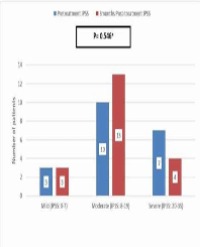
Results: Most patients were male (n=15; 75%) and aged 16–21 yr (n=11; 55%). Regular ketamine use was reported by 14 patients (70%), and 15 (75%) had used ketamine for over six years. At presentation, all patients reported urinary frequency and dysuria (100%), and 17 reported urgency (85%). After treatment, significant improvement was observed in dysuria (100% vs 75%; p=0.016), urgency (85% vs 40%; p=0.003), urinary incontinence (35% vs 10%; p=0.047), and incomplete emptying (30% vs 5%; p=0.037). IPSS scores shifted from severe to mild symptoms, although this change was not statistically significant (p=0.546).
Conclusions: KIU is associated with a high burden of urinary symptoms in young users. Recognition and targeted treatment can significantly improve key urinary outcomes. Patient summary: Young ketamine users frequently develop bladder symptoms. Symptoms improved following treatment, suggesting intervention may improve quality of life.
Keywords: Ketamine; Uropathy; Urinary Symptoms.
Highlights
• Ketamine-induced uropathy is associated with a significant burden of lower urinary tract symptoms in a predominantly young patient population.
• Urinary frequency, dysuria, and urgency were the most common presenting symptoms, with frequency and dysuria reported in all patients.
• Targeted treatment resulted in statistically significant improvement in dysuria, urgency, urinary incontinence, and incomplete bladder emptying at three months.
• Despite treatment, a proportion of patients continued to experience persistent symptoms, highlighting the chronic nature of the condition.
• These findings emphasise the importance of early recognition and structured management in patients with ketamine-induced uropathy.
Fares Alzubair Basheer Idrees*, Vaikuntam Srinivasan, and Haytham Araibi