Research Article | Volume 2 - Issue 1 | Article DOI :
Download PDF
André-Michael Beer1 , Gordon Röser2 and Karl Rüdiger Wiebelitz3*
1Department of Naturopathy, Blankenstein Hospital, Ruhr - Universität Bochum, Germany 2Ear, Nose and Throat Medicine practitioner, Osnabrück, Germany 3Clinic for Children and Adolescents, Prignitz Hospital, Medizinische Hochschule Brandenburg Theodor Fontane, Germany
Corresponding Author:
Karl Rüdiger Wiebelitz, Clinic for
Children and Adolescents, Prignitz
Hospital, Dobberzinerstrasse 112,
D-19348 Perleberg, Germany,
Tel: 0049 3876 30 3816;
Fax: 0049 3876 30 3183;
Keywords
Low back pain; Randomized controlled trial; Clinical trial; Cupping Glass Massage; Non-inferiority
Abstract
Study Background: The efficacy of Cupping Glass Massage (CGM) in patients with back pain has not yet been sufficiently proven [1,2]. In view of the increasing incidence and high prevalence of this disease, research into treatment options is of great importance. In the Clinic for True Naturopathy in Hattingen, Germany, cupping glass massage is subjectively successfully applied in patients with back pain. A randomized, controlled non-inferiority study was conducted to objectify the treatment successes.
Methods: The efficacy of CGM (n = 66) was compared with acupuncture therapy (ACU, n = 70) in in-patients with chronic non-specific low back pain. Primary objective was the non-inferiority of CGM compared to ACU with regard to functional ability in everyday life, operationalized by the Hannover-Functional-Ability-Questionnaire (HFAQ).
Results: In the per-protocol-Analysis the CGM responder-rate of 71,4 % is significantly higher than the ACU of 44,4 % (? = 27%; 95% : 7,3-46, 6%; p = 0,008). In the Intention-to-Treat analysis CGM is not inferior to ACU.
Conclusion: Results show that CGM is at least not inferior to ACU.
Citation
Beer AM, Röser G and Wiebelitz KR. Cupping Glass Massage and Acupuncture for Chronic Low Back Pain - A Randomized Non-Inferiority Trial with Female Inpatients in Naturopathy. J Gen Med. 2018; 2(1): 1006.
Introduction
One in four women and one in six men in Germany suffer from chronic back pain, the most common type of pain and the second most frequently cited reason for early retirement. With enormous macroeconomic health expenditure of 3.6 billion euro’s, back pain accounts for a significant share of health expenditure for all illnesses, with the indirect health expenditure due to the loss of labor production being estimated to be even higher The national health care guideline for low back pain predicts that a large part of health expenditure due to back pain is caused by a small percentage of chronically affected persons, which have increased significantly in their proportion in the last 10 years [3].
Therefore, effective and cost-efficient therapeutic approaches for the treatment of chronic back pain are necessary. The cupping therapy has been known for about 5000 years and is one of the oldest healing methods of mankind. Today, it is regularly used for spinal diseases, rheumatic joint diseases, muscle hardening, circulatory disorders, headaches and migraine [4,5]. The cupping glass massage is one of three basic techniques of cupping therapy. The basic principle of cupping therapy is the generation of negative pressure on certain skin areas [4,5]. It is assumed that the suction leads to skin irritation and thus to local, segmental and reflective effects. The following mechanisms of action are presumed: The cutivisceral reflex pathways lead the cuticle irritation to certain organs via the Head zones. As a result, neurovegetative dysfunctions can be influenced via the nervous system. The negative pressure also leads to hyperemia with consecutive microhaematomas in the cutis, subcutaneous and connective tissue. As a result, blood circulation, spasm solution and toning of the area can be promoted. The metabolism is stimulated resulting in an improved supply of oxygen and nutrients to the tissue as well as an increased removal of harmful substances [5].
The authors of an international, systematic review [1] found 55 randomized controlled trials on cupping in pain. Of these, sixteen studies with a total of 921 participants met the quality standards set by the authors, of which six were meta-analytically evaluated. The authors conclude at least a moderate superiority of cupping in the treatment of pain compared to waiting lists or standard therapies and point out the need for further high quality studies to enable analyses for specific pain subgroups. Two of the sixteen studies [6,7] investigated the indication “low back pain”. The Iranian study [6] shows superiority of bloody cupping over analgesia with non-steroidal anti-rheumatic drugs in patients with chronic low back pain. The second study [7] is a pilot study that points to a superiority of bloody cupping in the reduction of pain intensity comparing with patients on the waiting list.
A recent review from Germany in 2015 [2] emphasizes the promising study results in the treatment of lower chronic back pain, which indicate good efficacy but require further studies. A recent study in fibromyalgia patients showed a reduction of pain in the upper and lower back compared to “Usual Care” (standard therapy), but not compared to “Sham Cupping”, where the blindness was unsuccessful [8]. The positive effects of cupping on chronic neck pain are already well documented [2].
The aim of this study was to investigate the efficacy of Cupping Glass Massage (CGM) in the treatment of chronic back pain. The therapeutic success of CGM is compared with that of Acupuncture Therapy (ACU) and tested for non-inferiority. Numerous studies have shown a moderate superiority of acupuncture in the treatment of chronic pain compared to placebo and standard therapies [9].
Methods
Design and setting
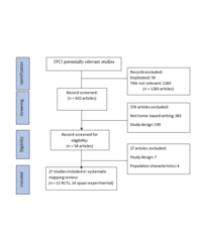
The present study is a randomized, controlled trial conducted at the Clinic for Naturopathy of the Blankenstein Clinic in Hattingen. The study has been approved by the Ethics Committee and complies with the current version of the Helsinki Declaration. All patients of the Clinic for Naturopathy with chronic back pain, who were treated in the Clinic for Naturopathy within the study period and who agreed to participate in the examination voluntarily, participated in the study, if the responsible doctoral candidate was available. These were randomly assigned in a ratio of 1:1 to one of two parallel groups (CGM and ACU) and each received five therapy units during the two-week in-patient stay as part of a naturopathic complex therapy (contains body-mind-therapy {“Ordnungstherapie”}, nutritional therapy, exercise therapy, phytotherapy, hydro-/thermo- & balneotherapy). Prior to randomization, this was compiled individually by the treating physician, so that, to the best of our knowledge, no inconsistencies could arise between the intervention groups. Figure 1 shows an overview of the participants’ recruitment and the course of the study.

Figure 1: Flowchart of participant recruitment and course of study.
The data collection by means of questionnaires started at admission and was repeated on discharge and 3 months later by telephone interview.
Inclusion Criteria
• Female in-patients of the Clinic for Naturopathy at Blankenstein Clinic.
• Age between 18 and 75 years.
• Written informed consent after explanation of the study.
• Anamnesis of chronic back pain for more than 6 months.
• Score in the Hannover-Functional Ability Questionnaire: 0-16 points.
• Sacroiliac pain defined as pain in the region of the lumbar spine with or without segmental radiation.
• At least one of the following diagnoses (ICD-10 encryption) in main or secondary diagnosis:
M 47.20, 47.25, 47.26, 47.27, 47.28:
M 51.1, 51.2
M 54.1, 54.4, 54.5, 54.8, 54.10.
Exclusion Criteria
• Inflammatory rheumatic disease of the spine.
• Chronic painful conditions due to other illnesses that are predominant compared to existing back pain.
• Osteoporotic or traumatic vertebral fractures or severe deformities of the spine, spondylolisthesis.
• Skin diseases that do not allow cupping glass massage.
• Participation in this study at an earlier date.
• Currently participating in another clinical trial for the treatment of back pain.
• Patients unable to understand the purpose of the study (language, dementia, etc.)
• Opioid or drug addiction, alcohol abuse, compliance not guaranteed.
• Preceding operations on the spine in the last three months before the start of the study.
• Bekhterev’s disease.
• Cachexia.
• Pain catheters/ CT-controlled intra-articular injections in the area of the lumbar spine during the last 10 days.
• Acupuncture or cupping therapy up to one month before the start of treatment.
• Progressive systemic diseases such as tuberculosis, leucosis, carcinomas (except for long-term full remission), collagenosis, multiple sclerosis, AIDS disease, HIV infection.
• Severe depression (according to psychiatric diagnosis).
• Severe cardiopathies.
• Fever.
• Known pregnancy.
• Severe coagulation disorders.
Carrying out cupping glass massage
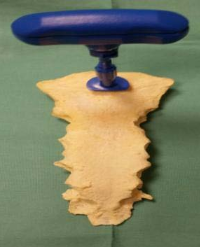
The CGM and ACU were performed in prone position. After application and even distribution of an isothermal, hand-warmed olive oil on the skin the cupping glass was placed paravertebrally on the back. The vacuum in the cupping glass was created with a cup glass (4 - 7 cm diameter) made of plastic with non-return valve and a vacuum gun. At first, light to medium suction was applied. Depending on tolerability, the suction was gradually increased during therapy. The cupping glass was slowly conducted parallel to the spine caudally in the course of the bladder meridian and after reaching the lower lumbar spine direction cranially to the lower part of the cervical spine. It was gradually guided laterally, similar to the transverse fractions of classic massage, until the entire back was evenly hyperemic. The same procedure then followed for the contra lateral back side. After completion of the CGM, the patient’s back was rubbed off with a diaper cloth. Covered, the patient then rested for 20 to 30 minutes (Figures 2 and 3).

Figure 2: Attaching the cupping glass.

Figure 3: Pulling the cupping glass towards caudal.
Performance of acupuncture
The points were selected in the style of the GERAC study [10] which prescribes the acupuncture points partly standardized according to Traditional Chinese Medicine (TCM): Mandatory acupuncture points on both sides (Bl23,40,60,Ni3), optional 1- 4 Ah-Shi points, supplemented to a total of 6 points by the selection of near points in the lumbar area (Bl24,25,31,54,Gb30) and in the thigh region (Gb31, Bl36,37,Ma31,32) as well as a maximum of 4 points for syndrome therapy (kidney-yang deficiency: plus Du-May-4, kidney-yin deficiency: Ni7 instead of Ni3 on both sides, “Wet Cold”:
Additional MP9, Bl20 on both sides, “Stagnation of Blood and Qi”: Additional Bl17 on both sides) and axis and pathway stimulation points (pain only in the area of the gallbladder tract: Gb34 instead of Bl40 and Gb41 instead of Bl60; axis stimulation: Maximum 2 punctures and short manual stimulation; possible points: Bl60, Gb34, Dü3). In total, a minimum of 14 and a maximum of 20 needles were placed for 20 minutes.
Target Criteria
The primary target criterion was the non-inferiority of CGM compared to ACU 3 months after discharge with regard to functional impairment in everyday life, measured by means of the Hannover Functional Questionnaire (HFAQ) [11]. The response criterion respectively criterion for a successful therapy corresponds to an improvement of at least 12% in the HFAQ and is based on the evaluation protocol of the GERAC study [10], whereby we abstained from the use of a pair of criteria interconnected with a logical OR condition in favour of the unambiguousness of the result. Secondary target criteria were the reduction of pain intensity by 33% and the impairment of everyday life through pain (“Von Korff” questionnaire) [12], the improvement of quality of life (SF-12 questionnaire) [13], the reduction of pain (VAS), as well as the reduction of analgesic medication 3 months after discharge compared to admission and patient satisfaction with the therapy on the basis of a 5-step Likert scale (very satisfied, satisfied, undecided, dissatisfied, very dissatisfied).
Randomization
Randomization was performed by a program written in Turbo Pascal (Version 7.0) and uses the function implemented there to generate normally distributed pseudo-random numbers. In the program, the probabilities for decisions A and B will be adjusted to the results of the previous randomization. The program did announce the assignment of the interventions only after entering the specific patient’s name and date of birth as well as internal, no longer changeable, documentation. A randomization assignment could not be reversed retrospectively.
Due to the clinical unambiguous recognition of the two forms of therapy, there were no blinding techniques available.
Trial Registration
The study is registered with the DRKS under number DRKS00007491.
Statistical Evaluation
To calculate non-inferiority, the treatment success is coded with binary variables. “0” = no treatment success and “1” = treatment success. Subsequently, the percentage of patients with successful treatment is displayed in relation to the total collective of the respective group. After calculation of the standard error, the two-sided 95% confidence interval (95% CI) is calculated. A difference of 24% in the response rate is not considered clinically relevant (irrelevance value). This value corresponds to the half standard placebo distance of the acupuncture treatment as measured by Molsberger et al. The number of 58 cases per group was determined according to Schneiderman on the basis of this value. Missing values are replaced in the ITT analysis with the Last-Observation-Carried-Forward Method (LOCF). In case of non-inferiority, the Chi-square test for superiority is also performed. The T-test for independent samples is used to evaluate the secondary target criteria. Corrections for multiple testing were not applied.
Results
Table 1 shows the demographic and clinical data of the patients who completed the final examinations. They were included in the modified ITT evaluation.
Table 1: Demographic data (age, Body Mass Index (BMI), diagnosis according to ICD 10, pain duration) of the patients with a final examination, arranged according to therapy groups, each with indication of the standard deviation.
| |
ACU |
CGM |
Changers |
| Number of patients |
51 |
52 |
5 |
| Average age in years |
58 (+/-10,5) |
58,3 (+/-0,7) |
63 |
| Average BMI |
26,9 (+/-5,2) |
28,65 (+/-5,4) |
30 |
| |
1.: M47.20 (N=24) |
1.: M47.20 (N =17) |
1.: M47.27 |
| |
2.: M51.1 (N=12) |
2.: M47.26 (N = 14) |
|
| Most common diagnosis According to ICD 10 |
3.: M47.26 (N=6) |
3.: M51.1 (N =11) |
|
| Average pain duration in years |
14,13 (+/-2,2) |
15,78 (+/-11,8) |
13 |
Evaluation
Data collection and follow-up were carried out from 05/2008 to 03/2010 and treatments were carried out from 05/2008 to 12/2009. In the conservative evaluation of the Intention-to-Treat (ITT) group (N=136), the difference between the response rates of the intervention groups is =16.1%; (95% CI: - 0.7% to + 33%). The lower limit of the 95% confidence interval of the difference of - 0.7% is greater than the irrelevance value d=-0.24 or - 24%. Thus, CGM (N=66) with a responder rate of 57.6% is not inferior to ACU (N=70) with a responder rate of 41.4%. In the Chi-square test, there is only a tendential, insignificant superiority of CGM over ACU (p=0.06). If a modified ITT analysis includes only those patients who have actually received treatment within the study (N=108), including changers, CGM is significantly superior to ACU (p=0.023). The group of changers are patients who were randomized for the ACU group, but refused this therapy after the first treatment and switched to CGM treatment.
Excluded from the Per-Protocol (PP) analysis were study drop-outs due to documentation errors (n=2), premature discharge (n=5), adverse reactions (n=6), missing telephone interview (n=9), switching between intervention groups (n=5) and exclusion criteria retrospectively met (n=8). In addition, lack of time within the framework of a high therapy density was reported as a reason for discontinuation of the study (n=7). In the PP-population (N=94) the CGM group (N=49) has a therapeutic success of 71.4%, compared to 44.4% in the ACU group (N=45). The lower limit of the 95% confidence interval of the difference (= 27.0%, 95% CI : 7.3% to 46.6%) is greater than the irrelevance value d= -0.24 or -24%. The Chi-square test for superiority is significant (p=0.008) and shows a mean effect strength (d=0.56; 95% CId : 0.15- 0.98). All analyses are based on the original allocation to the treatment groups, i. e. the changers to CGM have been allocated conservatively to the ACU.
The results at discharge from inpatient treatment show the same tendency: The CGM group (N=49) has a therapeutic success of 80.8%, compared to 64.7% in the ACU group (N=45; PP-analysis). But the Chi - square test for superiority is not significant (p=0.080).
In the PP evaluation (N=94) of the other secondary target criteria the patients of the ACU group (M=1.78; 95% CI: 1.51-2.05) rated the therapy significantly worse than the patients of the CGM group (M=1.35; 95% CI: 1.20 - 1.50; p=0.002; d=0.59; 95% CId : 0.18-1.01). The differences in the other secondary target criteria are not significant.
The majority of the patients used OTC oral analgesic medicaments on an on-demand-basis. Though all known details were recorded meticulous, the remembrance of the patients was not precise enough to allow valid comparisons of absolute analgesic intake before and after treatment. During the treatment period every medication was documented exactly without significant differences between the treatment groups. All patients got either willow bark extract or harpagophytum procumbens extract. These phytotherapeutical analgesic drugs must be taken regularly to be efficious. Most patients continued this medication after discharge instead of other analgesic regimen. Again remembrance of the additional use of OTC analgesic drugs was not precise enough at the follow-up examination to allow reliable comparisons between the groups. A day by day documentation during the follow-up period was not feasible. Unguent with arnica extract 10% was used as local analgesic medication during the inpatient treatment, again without significant differences between the groups. Also the pre- and post-treatment use could not be quantitatively compared because of lacking precision of remembrance.
There was no ongoing orthopedic treatment in both treatment groups and no conventional therapy with the exception of OTC oral analgesic medications on demand. No patients had to be excluded because of complications or necessary conventional therapy during the follow-up period.
Side Effects
Three patients of the CGM group discontinued their treatment due to side effects. One patient attributed a migraine attack to CGM, another developed excessive hematoma and the third complained of severe pain, even with only a slight negative pressure. Three patients in the ACU group also dropped out of treatment. Two of them indicated great pain when the needles were pierced. The third patient refused further treatment after three sessions because she considered the therapy to be ineffective.
Discussion
The results of the study show a positive effect of CGM in the PP population, which is stronger than that of comparative acupuncture treatment. Possible distortion effects in the derivation of the irrelevance value from the Molsberg study [14] cannot be excluded due to differences in the study design. ACU is investigated there as an add-on therapy to conventional orthopedic therapy instead of naturopathic complex therapy. In this study, conventional orthopedic therapy appears to have hardly any effects on the main target criterion of this study after 3 months, whereas other studies for naturopathic complex therapy have shown sustained improvements, e. g. with regard to the intensity of pain, even after 3 months [15]. The primary target criterion in the Molsberg study is based on a VAS instead of the HFAQ. According to our study data, CGM seems to work even better than ACU, so that the power of our study would be considerably higher than originally assumed. Due to the high drop - out rate, CGM’s superiority cannot be demonstrated in the original total ITT population. The drop-out rate cannot be attributed to the respective form of therapy, as it was the same in both groups (N = 14), and the analysis of the concrete individual reasons did not reveal any relevant differences between the treatment groups.
A further limitation of this study is the lack of a control or placebo group, which has been renounced for ethical reasons. Interferences between the intervention groups are possible. In addition, the expectations of the participants in the therapy procedures were not measured, although additional effect factors are known for ACU [9].
The better evaluation of the CGM therapy in the secondary target criteria may also be related to the fact that CGM is an intensive treatment with high attention of the therapist towards the patient and might therefore have a positive effect on the patient’s state of health. The CGM also offers a financial advantage for consumers and health insurance companies. Both, training costs and material costs, are significantly lower than those of ACU. The Fee Schedule for Physicians in Germany (GOÄ, number 296a) provides 20.40€ for an acupuncture treatment. 21.00€ will be remunerated according to the Uniform Valuation Standard in Germany (EBM, number 30791). CGM, on the other hand, is reimbursed according to the GOÄ (number 523) with only 3.79€. No adequate payment is possible according to EBM.
Another positive factor might be the lower painfulness during therapy. The CGM is effective in treating female patients of the Clinic for Naturopathy with chronic back pain and is a valuable option for treating this clinical picture. For generally valid conclusions, in particular concerning the transferability of the study results to male patients as well as to patients outside the inpatient naturopathic setting, larger studies with other patient groups are necessary.
References
1. Cao H, Li X, Yan X, Wang N, Bensoussan A, Liu J. Cupping therapy for acute and chronic pain management: A systematic review of randomized clinical trials. J Tradit Chin Med Sci. 2014; 1: 49-61.
2. Lauche R, Hohmann C, Cramer H, Michalsen A. Blutegel und Schröpfen in der Behandlung symptomatischer Arthrosen und chronischer Schmerzen. Arthritis Rheum. 2015; 35: 281-288.
3. Bundes ÄK, Kassenärztliche BV, Arbeitsgemeinschaft der WMF. Nationale VersorgungsLeitlinie. Nicht - Spezifischer Kreuzschmerz Langfassung. Auflage. 2017; Version 1.
4. Beer AM, Fey S, Fritz C. Ab- und ausleitende Verfahren. Beer AM, Adler M. Leitfaden Naturheilverfahren München. Elsevier Verlag. 2011; 235-260.
5. Musial F. Mechanismen naturheilkundlicher Schmerztherapien: Zu den neurobiologischen Grundlagen des Schröpfens. Die Naturheilkunde. 2012; 89:11-14.
6. Farhadi K, Schwebel DC, Saeb M, Choubsaz M, Mohammadi R, Ahmadi A. The effectiveness of wet-cupping for nonspecific low back pain in Iran: a randomized controlled trial. Complement Ther Med. 2009; 17: 9-15.
7. Kim JI, Kim TH, Lee MS, Kang JW, Kim KH, Choi JY, et al. Evaluation of wet cupping therapy for persistent non specific low back pain: a randomized waiting-list controlled, open-label, parallel-group pilot trial. Trials. 2011; 12: 146.
8. Lauche R, Spitzer J, Schwahn B, Ostermann T, Bernardy K, Cramer H, et al. Efficacy of cupping therapy in patients with the fibromyalgia syndrome-a randomised placebo controlled trial. Sci Rep. 2016; 6: 37316.
9. Vickers A, Cronin A, Maschino A, Lewith G, MacPherson H, Foster N, et al. Acupuncture for chronic pain: individual patient data meta-analysis. Arch Intern Med. 2012; 172:1444-1453.
10. Haake M, Müller H, Schade-Brittinger C, Basler HD, Schäfer H, Maier C, et al. German Acupuncture Trials (Gerac) For Chronic Low Back Pain: Randomized, Multicenter, Blinded, Parallel-Group Trial with 3 Groups. Arch Intern Med. 2007; 167: 1892-1898.
11. Kohlmann T, Raspe HH. Der Funktionsfragebogen Hannover zur alltagsnahen Diagnostik der Funktionsbeeinträchtigung durch Rückenschmerzen (FFbH-R). Rehab. 1996; 35: 1-8.
12. Korff M, Ormel J, Keefe FJ, Dworkin SF. Grading the severity of chronic pain. Pain. 1992; 50: 133-149.
13. Bullinger M, Kirchberger I. Der SF-36 Fragebogen zum Gesundheitszustand Handanweisung. Göttingen, Hogrefe. 1998.
14. Molsberger AF, Mau J, Pawelec DB, Winkler J. Does acupuncture improve the orthopedic management of chronic low back pain: A randomized, blinded, controlled trial with 3 months follow up? Pain. 2002; 99: 579-587.
15. Wiebelitz KR, Teske W, Henke T, Brach J, Beer AM. Naturheilkundliche und orthopädische stationäre Behandlung bei chronischen Rückenschmerzen. Eine Vergleichsstudie. MMW-Fortschr Med, Originalien. 2011; 153: 41-46.