Back to Journal

Journal of General Medicine

Screening for Depression, Anxiety and Stress among Patients Attending a Regional Rehabilitation Clinic in South Western, New South Wales, Australia

[ ISSN : 3068-0840 ]

Abstract Citation Introduction Methods Results Discussion References
Details

Received: 31-Jul-2017

Accepted: 01-Aug-2017

Published: 04-Aug-2017

Yuriko Watanabe*

Department of Rehabilitation Medicine, St Vincent’s Hospital, Australia

Corresponding Author:

Yuriko Watanabe, Department of

Rehabilitation Medicine, Sacred Heart

Rehabilitation Service, St Vincent’s

Hospital170 Darling Hurst Road, Darling

Hurst, NSW 2010, Australia,

Tel: +61 2 8382 9516;

Fax: +61 2 8382 9431;

Abstract

Rehabilitation medicine offers an individualized patient-centered service to optimize function and maximize quality of life of patients. Psychological distress can impact rehabilitation process and its outcomes [1]. In regional and rural areas, rehabilitation services are different from the ones in metropolitan areas. There are limited medical specialists and allied health services in those areas.

Sacred Heart Rehabilitation Service at St Vincent’s Hospital in Sydney Australia has been providing outreach rehabilitation services to Griffith Base Hospital (GBH), New South Wales (570 km away from Sydney). A rehabilitation clinic at GBH run by an outreach rehabilitation physician is well established with approximately 100 new referrals per year [2]. Although rehabilitation patients often have psychosocial issues requiring multidisciplinary input, there is limited study on the presence and extent of depression, anxiety and stress symptoms among patients attending an outreach rehabilitation clinic. This audit study aimed to screen the levels of negative emotional status who attended a regional rehabilitation clinic.

Citation

Watanabe Y. Screening for Depression, Anxiety and Stress among Patients Attending a Regional Rehabilitation Clinic in South Western, New South Wales, Australia. J Gen Med. 2017; 1(1): 1001.

Introduction

Rehabilitation medicine offers an individualized patient-centered service to optimize function and maximize quality of life of patients. Psychological distress can impact rehabilitation process and its outcomes [1]. In regional and rural areas, rehabilitation services are different from the ones in metropolitan areas. There are limited medical specialists and allied health services in those areas.

Sacred Heart Rehabilitation Service at St Vincent’s Hospital in Sydney Australia has been providing outreach rehabilitation services to Griffith Base Hospital (GBH), New South Wales (570 km away from Sydney). A rehabilitation clinic at GBH run by an outreach rehabilitation physician is well established with approximately 100 new referrals per year [2]. Although rehabilitation patients often have psychosocial issues requiring multidisciplinary input, there is limited study on the presence and extent of depression, anxiety and stress symptoms among patients attending an outreach rehabilitation clinic. This audit study aimed to screen the levels of negative emotional status who attended a regional rehabilitation clinic.

Methods

All patients attended the rehabilitation clinic at GBH between September 2014 and December 2014 was asked to fill in the Depression Anxiety Stress Scales short-form version (DASS-21) [3] in a waiting room before consultation. The DASS-21is a validated self-report tool. There were no social workers, psychologists or an ‘in-house’ mental health team at GBH.

Results

During the period, 53 cases were reviewed at the rehabilitation clinic. Of these, 15 cases did not (could not) complete the DASS-21 due to the following reasons: 7 patients were reviewed twice (only one answer per patient was counted); 3 patients had limited English abilities; 2 patients had lower level of consciousness due to acquired brain injuries; 2 patients had dysphasia resulting from stroke; 1 patient could not write because of severe pain in both hands. The remaining 38 patients with a mean age of 66.8 years (range 29-88) completed the DASS-21.

The common impairment group was chronic non-cancer pain conditions (14 patients, 36.8%). Nine patients (23.7%) attended the clinic for post hospital discharge follow up, namely orthopedic related (n=3), reconditioned following surgery (n=3), stroke (n=2) and pulmonary related (n=1). Eleven patients had a history of psychiatric co morbidities. Approximately 40% of patients reported symptoms of anxiety and/or stress above the normal range, and24 patients (63%) had symptoms of depression above the normal range (Table 1).

Table 1: Outcomes of the DASS-21 (N=38).

  Depression Anxiety Stress
Normal 14 (37%) 22 (58%) 23 (60%)
Mild 8 (21%) 2 (5%) 4 (10%)
Moderate 9 (24%) 5 (13%) 3 (8%)
Severe 3 (8%) 3 (8%) 4 (11%)
Extremely Severe 4 (10%) 6 (16%) 4 (11%)

Discussion

Depression, anxiety and stress in patients attending a regional rehabilitation clinic were common. An outreach rehabilitation physician needs to monitor their symptoms and liaise with local general practitioners closely for early referrals to community based mental health services. As a result of this study, the author started to address telephone support (e.g., Beyond blue [4]) and/or free online therapy programs (e.g., This Way Up) [5,6] to ensure that patients should access such services sooner (whilst waiting for a psychology or psychiatry appointment).

The limitation of this study included the small sample size. Furthermore, eight patients who could not complete the DASS-21 due to medical or language reasons were not excluded the possibility of the presence of mood and anxiety disorders [7]. Such patients, if clinically indicated, need face to face psychological interventions and/or social support (with or without an interpreter) as existing English/online based mental health resources and support are not applicable. The DASS-21 is a useful tool for screening for negative emotional status in a regional clinic; however, extra attention should always be given to those who are not able to complete the form.

References

1. Vincent HK, Horodyski M, Vincent KR, Brisbane ST, Sadasivan KK. Psychological Distress After Orthopedic Trauma: Prevalence in Patients and Implications for Rehabilitation. PM R. 2015; 7: 978-989.

2. Watanabe Y. Referrals to a regional rehabilitation clinic in South Western New South Wales, Australia. Int J Phys Med Rehabil. 2013; 1: 167.

3. Lovibond SH, Lovibond PF. Manual for the depression anxiety stress scales. 2nd ed. Sydney: Psychology Foundation of Australia 1996.

4. Beyond blue. National help lines and websites. 2017.

5. Orman J, O’Dea B, Shand F, Berk M, Proudfoot J, Christensen H. e-Mental health for mood and anxiety disorders in general practice. Aust Fam Physician. 2014; 43: 832-837.

6. This way up. 2017.

7. Code C, Herrmann M. The relevance of emotional and psychosocial factors in aphasia to rehabilitation. Neuropsychol Rehabil. 2003; 13: 109-132.

Other Articles

Article Image 1

Using Technology to Improve Adherence to HIV Medications in Transitional Age Youth: Research Reviewed, Methods Tried, Lessons Learned

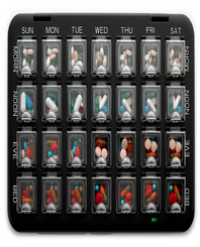
In transitional age youth living with HIV or AIDS, non-adherence (<80%) to anti-retroviral medication is associated with viral resistance, disease progression, and an increased risk of death. This feasibility study investigated the Maya MedMinder electronic pillbox and cell phone texting with personalized motivational interviewing strategies to improve medication adherence in non-adherent youth. Twenty patients out of 30 identified as non-adherent by the Pediatric HIV team at the Medical University of South Carolina were approached, and 15 were recruited (Ages 12 to 20; 13.3% male, 86.7% female; 100% African-American). Following baseline MedMinder monitoring, subjects were randomized to intervention groups with reminder signals on or off. The time medications were taken was collected by the MedMinder, resulting in adherence scores. All were interviewed for readiness to change utilizing the Motivational Interviewing (MI) Stages of Change scores. Viral load and CD4 labs were scheduled every 6 weeks. Despite monetary incentives and personalized support, recruitment and adherence to the protocol was a challenge. Only 6/15 subjects completed the entire study scheduled for 6 months .Stages of change scores revealed that those that transitioned to making changes had higher CD4 percentages midway through the study. Challenges included missed appointments and labs despite efforts by text and phone to schedule convenient appointment times with participants. Device challenges included the large size of the MedMinder and faulty electronic signaling, especially from rural areas. The methodology was feasible with these patients. This small feasibility study highlights that technological tools to promote adherence and motivational enhancement strategies in teens and young adults who are non-adherent to HIV medication regimens can enhance biomarker outcomes associated with medication adherence.


Spratt ES1 , Papa CE1 , Mueller M2 , Patel S3 , Killeen T4 , Maher E5 , Drayton C1 , Dixon

TC1 , Fowler SL1 and Treiber F2


Article Image 1

Indications and Clinical Utility of Sternal Aspirates in Patients with Multiple Myeloma and Other Plasma Cell Dyscrasias

Background: A Bone Marrow (BM) evaluation is often required in patients with plasma cell dyscrasias,at the time of initial presentation for diagnostic purposes and risk stratification, and during the follow up for an accurate assessment of the response to therapy. In the vast majority of cases, the preferred site for obtaining a BM specimen is the posterior superior iliac crest. The role of sternal aspirates has fallen out of favor in 21st century medical practice. However, in certain clinical situations it appears to be the easiest site for specimen collection. Our study was designed to answer a set of basic clinical questions such as whether sternal Bone Marrow Aspirate (BMA) can provide reliable and sufficient specimen for morphologic, immunophenotypic and molecular evaluation of patients with clinical suspicion of plasma cell dyscrasias.

Methods: We reviewed indications, performed BM biopsies and obtained BMA from sternum in 51 patients with Multiple Myeloma (MM) and other plasma cell dyscrasias.

Results: No significant complications were observed. The most common indication for the sternal aspirates were: inability to reach the pelvic bone due to morbid obesity (65% of cases), followed by other factors, such as tetraplegia/immobility, pelvic fractures, infections, or radiotherapy. The concordance with the disease status, as defined by the presence or absence of a detectable paraprotein, was excellent, observed in 91.7% of samples.

Conclusions: Sternal aspirates provided satisfactory samples not only for morphologic evaluation, but also for ancillary studies, such as flow cytometry, metaphase cytogenetics, and Fluorescence In Situ Hybridization (FISH) studies.

Jozef Malysz1*, Nicole Leeper2 , Cinda M Boyer3 , Joseph J Drabick4 and Giampaolo Talamo5


Article Image 1

Is There a Correlation between Sleep Disordered Breathing and Maxillary Expansion? A Retrospective Study Based on Cephalometric Assessment and Questionnaires

Aim: This study aimed to document the effect of Maxillary Expansion (ME) during childhood on Sleep Disordered Breathing (SDB) symptoms in adults. The secondary aim is to try to find a screening tool for daily use in the orthodontic/dental office in children who are not yet diagnosed with OSA. We try to develop a tool that could help us in deciding which children should be referred for OSA screening, possibly including polysomnography, based on the cephalometric radiograph and the symptoms they report.

Methods: This is a retrospective study (S) focusing on cephalometric measurements performed on 27 Children (C), which had received maxillary expansion (RCS group) and as Adults (A) attended a post-treatment follow-up on average 21.1 (±7.24) years later (RAS group). A cephalometric radiograph before treatment and a cephalometric radiograph at post-treatment follow-up were traced. These were compared with untreated control (Co) groups of 50 subjects each (RCCo group and RACo group). Questionnaires related to SDB symptoms were administered in the RAS and RACo groups.

Results: Small changes in cephalometric measurements were seen comparing patients with (RCS group and RAS group) and without (RCCo group and RACo group) maxillary expansion. Questionnaires were answered similarly by the study (RAS group) and control group (RACo group).

Conclusions: Small cephalometric changes were seen between groups.

Current knowledge: The favorable effect of expansion of the maxilla on SDB symptoms has been demonstrated in several studies, the aim of this research was to document if patients treated with maxillary expansion during childhood can benefit from this intervention concerning Sleep Disordered Breathing (SDB) at adult age.

Study impact: Maxillary expansion during childhood might improve SDB symptoms at adult age.

Detailleur Valentine1 , Van Dyck Julie1 , Cadenas de Llano-Pérula Maria1 , Buyse

Bertien2 , Fieuws Steffen3 , Verdonck Anna1 , Politis Constantinus4 and Willems

Guy1*


Article Image 1

What’s Love Got to Do with It? The Relationship of Marriage to Health

Background: Traditional thinking and scholarship has indicated that marriage is a life saver - extends life. Marriage’s functionality contributes to the reduction of poor physiological health outcomes. Since women are not homogeneous in making marital decisions or social experiences, it was time to revisit the issue of the relationship of marriage and health.

Methods: From the 2015 National Health interview survey, we extracted a sample of women who were a parent of one or more minor children (n=4,899); experienced psychological distress and chronic conditions; by marital status.

Significant Data and Major Findings: The overall prevalence of psychological distress was 3.5%. Women with disruptive marriage had double (OR=2.18, 95% CI=1.24, 3.86) the likelihood of having psychological distress compared to married women, adjusting for socio-demographics (age, race/ethnicity, work status, family income, number of children and number of elderly in the household).There was significant interaction effect of marital status and race/ethnicity on the risks of having psychological distress. The difference between marriedwomen and those with disrupted marriage in the risk of having psychological distress was greater among Whites than that for African Americans and Latinas. Although 34.3% of the women had at least one chronic condition, there was no significant association between marital status and the likelihood of having chronic conditions after adjusting for socio-demographics.

Conclusion: Our findings indicate that White women experience the most psychological distress when their marriages are disrupted. On the contrary, African American and Hispanic women fared better psychologically when they experienced disrupted marriages, although they reported more socioeconomic hardships. More research is needed on disrupted marriages and women’s health as well as the role of reliance.

Alai Tan1 , Timiya S Nolan2 , Darryl B Hood3 and Karen Patricia Williams4*


Article Image 1

Cupping Glass Massage and Acupuncture for Chronic Low Back Pain - A Randomized Non-Inferiority Trial with Female Inpatients in Naturopathy

Study Background: The efficacy of Cupping Glass Massage (CGM) in patients with back pain has not yet been sufficiently proven [1,2]. In view of the increasing incidence and high prevalence of this disease, research into treatment options is of great importance. In the Clinic for True Naturopathy in Hattingen, Germany, cupping glass massage is subjectively successfully applied in patients with back pain. A randomized, controlled non-inferiority study was conducted to objectify the treatment successes.

Methods: The efficacy of CGM (n = 66) was compared with acupuncture therapy (ACU, n = 70) in in-patients with chronic non-specific low back pain. Primary objective was the non-inferiority of CGM compared to ACU with regard to functional ability in everyday life, operationalized by the Hannover-Functional-Ability-Questionnaire (HFAQ).

Results: In the per-protocol-Analysis the CGM responder-rate of 71,4 % is significantly higher than the ACU of 44,4 % (? = 27%; 95% : 7,3-46, 6%; p = 0,008). In the Intention-to-Treat analysis CGM is not inferior to ACU.

Conclusion: Results show that CGM is at least not inferior to ACU.

André-Michael Beer1 , Gordon Röser2 and Karl Rüdiger Wiebelitz3*


Article Image 1

Incidence of Cardiovascular Diseases in Type 2 Diabetes Mellitus Patients

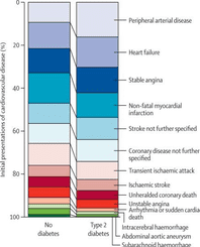
Type 2 Diabetes Mellitus is a medical condition characterized by an elevation of blood glucose level, this metabolic disorder will taken place as a result of either insulin resistance and/or insulin deficiency. It is the most prevalent chronic metabolic disorder worldwide. Type 2 Diabetes Mellitus is the significant cause of premature morbidity and mortality imposing enormous socioeconomic burden globally. As per the current prevalence and trend of T2DM, International Diabetes Federation (IDF) predicted 592 million people will have T2DM by 2035 worldwide. Prevalence of T2DM is escalating at rapid pace in India due to westernization of lifestyle. As per IDF report, the prevalence of T2DM will increase to 101.2 million by 2030 among Indians. Type 2 diabetes mellitus is typically a chronic disease associated with a ten-year-shorter life expectancy. This is partly due to a number of complications with which it is associated, including two to four times the risk of cardiovascular disease, including ischemic heart disease and stroke; a 20-fold increase in lower limb amputations, and increased rates of hospitalizations. In the developed world, and increasingly elsewhere, type 2 diabetes mellitus is the largest cause of non-traumatic blindness and kidney failure. It has also been associated with an increased risk of cognitive dysfunction and dementia through disease processes such as Alzheimer’s disease and vascular dementia. The contemporary associations of type 2 diabetes mellitus with a wide range of incident cardiovascular diseases have been compared in this study. Results showed that Type 2 diabetes mellitus was positively associated with peripheral arterial disease, ischaemic stroke, heart failure, and non-fatal myocardial infarction, but was inversely associated with abdominal aortic aneurysm and subarachnoid haemorrhage, and not associated with arrhythmia or sudden cardiac death. Type 2 DM is a metabolic disease that can be prevented through lifestyle modification, diet control, and control of overweight and obesity. Novel drugs are being developed, yet no cure is available in sight for the disease, despite new insight into the pathophysiology of the disease. Management should be tailored to improve the quality of life of individuals with type 2 DM.

Ather Pasha and Rindha Venepally*


Article Image 1

Community Intervention- Teaching Cardiopulmonary Resuscitation in Two Schools in Madrid

Background: Coronary heart disease is the most important cause of death in the world. In Europe, cardiovascular disease represent 40% of total deaths among people aged less than 75 years and sudden cardiac arrest 60% of death in adults with coronary heart disease. Immediate cardiopulmonary resuscitation can double or even triple the survival of cardiac arrest.

Objectives: The main objective of the study was to increase knowledge of first aid among school students. This study also aimed to establish how much influence has variables like sex, parents’ educational background, social and economical factors over learning.

Methods: Two schools, one public in a disadvantaged neighborhood and one private in one of the richest areas of Madrid, Spain were selected. CPR training consisted of theoretical lesson followed by practice on manikins. Multiple choice questionnaires were provided before and after the training. The results were processed using central and dispersion-tendency statistics.

Results: In total, 85 school students aged between 14 and 19 year-old completed the training. Only 10.6 % of the students received previous training. Pre-test score was higher among public school students, but post-test evaluation showed better results among private school students. The parent’s educational background didn’t influence the outcomes.

Cristina Sicorschi Gutu*, Maria Jose Alarcon Gallardo and Marisela Roure Vasquez


Article Image 1

Quality Indicators in Home-Based Care: A Systematic Review

Introduction: Even though many quality indicators of health care have been announced, those which specify in home care services are limited in that none of them describe the stroke patients’ condition.

Aim: To determine through systematic literature review what methods can be used to assess the quality of home care that patients received and to identify what components can be used as a determinant of the quality of home care services.

Methodology: Google Scholar, EBSCO, ProQuest and PubMed database websites were searched for articles and information.

Results: The method that was used is a qualitative study using a literature review with quantitative analysis of a previously accepted research instrument with a questionnaire that has been widely available and considered reliable. The researchers identified thematic differentiation in grouping the quality indicators used by those articles. The first article stated 23 quality indicators, which are distributed as the following: functional (n=8), clinical (n=10), social and treatment (n=5). The second article discussed two groups of quality indicators based on 21 items: prevalence (n=15), and incidence (n=6), while the last article mentioned 16 quality indicators without any category. Overall quality indicators in home care that are used by the three articles are based on the Home Care Quality Indicators Instrument (HCQIs).

Conclusion: Several studies discussed home care quality indicators but no articles specifically analyze home care provision for stroke patients. Further research is needed to clarify the components indicators for stroke patients and more importantly, these indicators should be valid, and reliable.

Nur Chayati M Kep1,2*, Christantie Effendy3 and Ismail Setyopranoto4


Article Image 1

Intractable Chronic Migraine in Adolescent: Multidisciplinary Approach

Chronic migraine is a severe neurological disorder characterized by the presence of headache for 15 or more days/ month, for more than three months. Pain, on at least eight days/month, has the features of migraine. Pain is often intense, disabling and resistant to the usual treatments. Other disorders such as phonophotophobia, nausea-vomiting, diarrhea, sleep and mood disorders can be found in combination with chronic migraine pain. The long-lasting migraine pain may be favored by the presence of factors such as hormonal changes in the menstrual period, or states of anxiety, stress, mood deflection, or overuse of symptomatic drugs with rebound effect.

We report the case of a 14 year-old female patient, with positive familiarity for migraine, which was brought to our observation for the presence of chronic headache with daily frequency migraine-like attacks, highly disabling and resistant to pharmacotherapy. During the hospitalization, a wash-out of the pharmacotherapy was performed, associated with the autogenous training, muscular relaxation exercises, psychological support and introduction of Lamotrigine for prophylactic therapy. Our patient showed a considerable amelioration with this multidisciplinary approach.

Luca Maria Messina1,2*, Luigi Vetri1,2, Lucia Rocchitelli1,2, Flavia Drago1,2, Laura Silvestri1,2, Antonina D’Amico1,2, Giovanni Grillo1,2, Francesca Vanadia2 , Vincenzo Raieli2*


Article Image 1

Asthma Exacerbation Associated to GlucosamineChondroidine Supplement

Many evidences of hypersensitivity to shrimp in atopic individuals and cross-reactivity among crustacea do exist, as demonstrated by positive reactions to shrimp skin tests and RAST ratios to the other crustacea even in the absence of prior exposure. IgE-mediated, type I mechanisms, appear to be operative in crustacea-sensitive individuals, particularly those with concurrent respiratory allergy [1].

Althought tropomyosin has been described as an important allergen in crustacean [2], other allergens may be involved in allergenicity. Glucosamine which composes the exoskeleton of crustaceans may represent another important allergen of the shellfish [3].Interestingly, the glucosamine contained in dietary supplement for treatment of arthritis has been associated to asthma exacerbation in an atopic subject [4]. The authors concluded with a warning for physicians to be wise to question their patients about use of dietary supplements as self-medication and consider the possibility of such supplements causing exacerbations of underlying conditions.

Flavia di Michele*