SM Journal of Cardiology and Cardiovascular Diseases

Archive Articles

Article Image 1

Right Precordial St-Segment Elevation in Patients with Arrhythmogenic Cardiomyopathy and Primary or Secondary Ventricular Fibrillation

Background: In arrhythmogenic cardiomyopathy ventricular fibrillation can be the first manifestation of the disease (primary VF). As an interaction between arrhythmogenic cardiomyopathy and Brugada syndrome with regard to the so-called connexome is possible the hypothesis is that primary ventricular fibrillation belongs to Brugada syndrome and later progresses to arrhythmogenic cardiomyopathy.

Method: A collective of 404 patients with arrhythmogenic cardiomyopathy were investigated to answer the question how many patients have right precordial ST-segment elevation in primary or in rare cases - secondary ventricular fibrillation.

Results: 9/14 patients had primary ventricular fibrillation and 2/9 patients (15 males, mean age 43.3 ± 9.6 years) had secondary ventricular fibrillation with had non-significant (< 2mm) coved-type ST elevation, Brugada type II ECG or atypical ST elevation in right precordial leads. Ajmaline challenge was not done in any case. In this cohort of patients coved-type or atypical right precordial ST-segment elevation was statistically significant (p < 0.005) for the development of ventricular fibrillation.

Conclusion: II seems that the so-called connexome is a relevant finding to predict ventricular fibrillation as the first manifestation of the disease with insignificant coved-type or atypical right precordial ST elevation.

Stefan Peters*

Article Image 1

An Anti-Deoxyhypusine Synthase Antibody as a Marker of Atherosclerosis Related Cerebral Infarction, Myocardial Infarction, Diabetes Mellitus, and Chronic Kidney Disease

Background: Atherosclerosis increases the risk of acute-phase CI (aCI) and acute myocardial infarction (AMI), which can be life threatening. Atherosclerosis is also closely related to diabetes mellitus (DM) and chronic kidney disease (CKD). Novel biomarkers are needed to follow the progress of atherosclerosis.

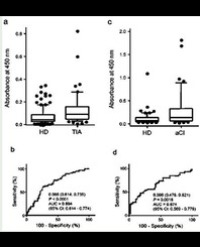
Methods and Results: Screening by protein arrays identified deoxyhypusine synthase (DHPS) as an antigen recognized by IgG antibodies in sera of patients with both atherosclerosis and aCI and the antibody was detected in Western blots. The serum antibody levels in healthy donors (HDs) and patients with aCI, transient ischemic attack (TIA), DM, AMI, or CKD were determined by enzyme-linked immunosorbent assay (ELISA) and amplified luminescent proximity homogeneous assay (Alpha) LISA using recombinant DHPS protein. Serum DHPS antibody levels were significantly higher in patients with any of these diseases than in HDs. The difference was greatest in patients with DM and CKD. DHPS antibody levels were well correlated with artery stenosis and the presence of hypertension. The serum level of this DHPS antibody may reflect the extent of atherosclerosis caused by DM, CKD and/or hypertension.

Conclusions: Serum antibody levels against DHPS may be useful in diagnosing atherosclerosis and associated aCI, TIA, DM, AMI, and CVD.

Rika Nakamura1,2#, Go Tomiyoshi1,2#, Natsuko Shinmen1,2#, Hideyuki Kuroda2, Takashi Kudo3, Hirofumi Doi3, Seiichiro Mine4-6, Toshio Machida6, Ikuo Kamitsukasa7,8, Takeshi Wada9, Akiyo Aotsuka9, Eiichi Kobayashi4, Yoichi Yoshida4, Tomoo Matsutani4, Yasuo Iwadate4, Masahiro Mori10, Akiyuki Uzawa10, Mayumi Muto10, Kazuo Sugimoto1,10, Satoshi Kuwabara10, Minoru Takemoto11, Akiko Hattori11, Kazuki Kobayashi11, Harukiyo Kawamura11, Ryoichi Ishibashi11, Koutaro Yokote11, Yo Iwata12,13, Jun-ya Harada12, Yoshio Kobayashi12, Jiro Terada14, Takuma Matsumura14, Seiichiro Sakao14, Koichiro Tatsumi14, Mikiko Ohno15, Po-Min Chen15, Eiichiro Nishi15, Koh Ono15, Takeshi Kimura15, Kenichiro Kitamura16, Hirotaka Takizawa17, Koichi Kashiwado18, Hideaki Shimada19, Masaaki Ito19, Ken-ichiro Goto1, Xiao-Meng Zhang1, Risa Kimura1, Hao Wang1,20, Akiko Taira1, Emiko Arita1, Hiromi Ashino1, Katsuro Iwase1 and Takaki Hiwasa1*


Article Image 1

Platelet Function-Guided Modification in Antiplatelet Therapy after Acute Ischemic Stroke is Associated with Clinical Outcomes in Patients with Aspirin Nonresponse

Background: Antiplatelet therapy nonresponse is associated with worse clinical outcomes. The aim of this study was to investigate the association of clinical outcomes with platelet function-guided modifications in antiplatelet therapy in patients with ischemic stroke.

Methods: This is a retrospective, multicentre study. From August 2010 to December 2014, 812 patients with ischemic stroke underwent platelet function testing using platelet aggregation. Aspirin nonresponse was defined as a mean platelet aggregation ≥20% with 0.5 mM arachidonic acid and/or ≥70% with 10 μM adenosine diphosphate. Antiplatelet therapy modification was defined as any increase in antiplatelet therapy after testing. Clinical outcomes were compared between patients with and without antiplatelet therapy modifications using univariate and propensity score-adjusted analyses.

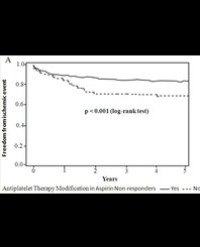
Results: Among 812 patients, 223 patients had aspirin nonresponse, 204 patients were modified in antiplatelet therapy after platelet function testing. The incidence rates of ischemic events, death, or bleeding events were not significantly different between the patients with and without antiplatelet therapy modification. However, in patients with aspirin nonresponse, antiplatelet therapy modification was associated with decreased ischemic events (hazard ratio, 0.68; 95% CI, 0.61-0.95; P = 0.01) and ischemic stroke (hazard ratio, 0.71; 95% CI, 0.64-0.99; P = 0.04) compared with no modification in antiplatelet therapy. No differences in bleeding events were observed between two groups.

Conclusions: In patients with aspirin nonresponse, platelet function-guided modification in antiplatelet therapy after an ischemic stroke was associated with significantly lower rate of ischemic events. The platelet function testing is may be useful to guide antiplatelet therapy modification.

Xingyang Yi1, Jing Lin2*#, Chun Wang1, Ruyue Huang2, Zhao Han3*# and Jie Li1


Article Image 1

Rare Reason Analysis for Stent Loss during PCI Procedure

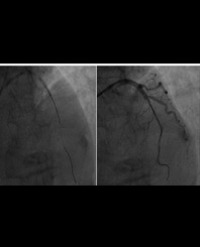
A lady, 67 years old, 60 Kg, about 7 hours she was admitted to local hospital due to acute chest pain. She was diagnosed with acute anterior wall myocardial infarction and received thrombolysis treatment with Reteplase and loading dose of aspirin and clopidogrel following a standard dual antiplatelet therapy strategy. Her symptoms were quickly relieved and reperfused according ECG criteria. And then she was transferred to Zhengzhou University People’s Hospital about 17 hours after her chest pain. Her first ECG in our hospital still showed anterior wall acute myocardial infarction changes (Figure 1). She didn’t have histories of hypertension and diabetes. At the tenth day, echocardiography showed: LVEDd = 52 mm, EF53 %; SPECT showed ischemic necrotic change (isotope filling defect) at anterior wall and apex. She had coronary angiography at AMI 12th day and the result showed : RCA diffuse atherosclerosis without significant stenosis; LM normal; LCX normal; Middle LAD was severe diffuse stenosis around 80-90% accompanied by severe calcification which involved with first diagonal branch orifice (B2 type lesion) (Figure 2). Through communication with patient and their families, finally we decided coronary artery intervention for LAD lesion. Because of the LAD and D1 special anatomical structure, we planned to use CULOTTES technology. With right radial artery approach, 6000u common heparin (100u/ kg body weight) was given through 6F sheath side arm, verapamil 5 mg was given to prevent radial artery spasm. We selected 6 F EBU 3.5 guiding catheter (ID = 0.72), 2 BMW wires into the distal LAD and D1, 2.5 X15 B Braun balloon to pre-dilate LAD and D1, 10atmx10 seconds respectively. China-made Firebird II (Shanghai Microport, China) 3.0 X23 stent was implanted from LAD to D1, 16 atm x 10 seconds deployed the stent (Figure 3), TIMI blood flow was good. Diagnal BMW wire was inserted into the LAD from stent strut mesh. A 2.5 X15 B Braun balloon was reused to pre-dilate stent strut mesh about 10-12 atm. When we pull back first LAD BMW wire, we met very high resistance. When the BMW wire was out, we can see distal wire (opaque X-ray segment about 30 mm) left in LAD between LAD intima and the stent (distal wire fractured) (Figure 4). We concerned that the left wire could not be removed easily and had a little effect on blood flow and prognosis, so we planned to implant

Chuanuu Gao*, Muwei Li, Lixin Rao, Yan Chen, Chong Chen and Dayi Hu


Article Image 1

Post Traumatic Ventricular Septal Defect Closure Using an Occlutech Patent Ductus Arteriosus Occluder

Background: Traumatic Ventricular Septal Defect (VSD) is an uncommon occurrence in cases of penetrating cardiac injury with an incidence of only 1% to 5%. Most patients require cardiac surgical or percutaneous device closure to ensure survival.

Objective: We report on a patient who had transcather closure of post traumatic ventricular septal defect with the Occlutech Patent Ductus Arteriosus Occluder device.

Methods: We treated an adult patient with post-traumatic ventricular septal defects caused by stab wound with a knife. The post traumatic ventricular septal defect was closed percutaneously with the Occlutech Patent Ductus Arteriosus Occluder.

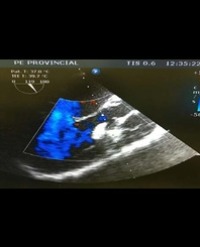
Results: Post traumatic ventricular septal defect was closed successfully percutaneously with no residual VSD on fluoroscopy and echocardiogram. Patient was discharged the following day.

Conclusion: Our experience indicate that closure of a post traumatic ventricular septal defect using the Occlutech Patent Ductus Arteriosus Occluder is feasible , safe and effective in carefully selected patients.

Zongezile Masonwabe Makrexeni*


Article Image 1

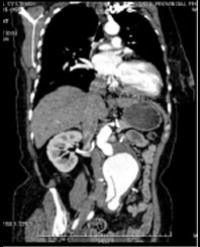
Right Internal Mammary Arterial Graft Originating From Arteria Lusoria

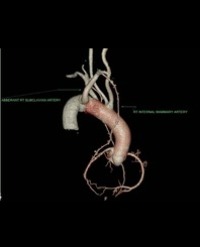
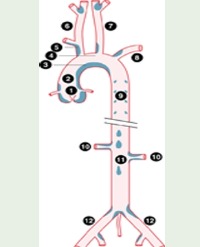
A 71-year-old man, that underwent Coronary Artery Bypass Graft Surgery (CABG) several years ago, was referred for an Invasive Coronary Angiography (ICA) due toretrosternal pain and dyspnea. ICA was performed via right radial access and revealed patent Left Internal Mammary Graft (LIMA) to the Left Anterior Descending Artery (LAD). The Right Internal Mammary Graft (RIMA) to the marginal artery could not be visualized despite numerous attempts. The patient subsequently underwent cardiac CT angiography (CCTA) to evaluate the RIMA origin and patency. CCTA revealed a patent RIMA originating from an aberrant right subclavian artery, which emerged from the distal portion of the aortic arch and traversed posterior behind the esophagus to reach the right upper extremity. This variant, often termedarteria lusoria, is the most common of the aortic arch anomalies, with an estimated incidence from 0.5%-1% [1]. Such aberrant course may cause a vascular ring around the trachea and esophagus [1] and symptoms range from none to nonspecific chest pain, dysphagia and dyspnea. Our case illustrates that in scenarios where arterial grafts could not be visualized by ICA, existence of alusorian artery should be suspected. CCTA should serve as the preferred method for demonstration of such vascular anomalies.

Louise Kezerle, Hilmi Alnsasra*, Carlos Cafri, and Aryeh Shalev


Article Image 1

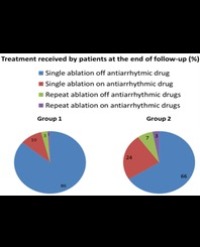
Atrial Fibrillation Ablation: Efficacy and Safety in Acute and Long-Term Follow up of Nmarq

Background: The circular nMARQ™ ablation catheter is a useful tool for pulmonary vein isolation (PVI). We assessed acute and long-term efficacy of NMARQ™ ablation catheter for PVI in paroxysmal and persistent AF.

Methods and Results: We report a case series of 200 patients (mean age 56±9 years; 73% male) referred to our center to perform PVI. One hundred patients (group 1) underwent PVI with the nMARQTM and 100 patients (group 2) with the single tip ThermocoolR ablation catheters. All patients performed 24 months of FU. AF recurrences were documented in 13 patients of group 1 (13%) and 32 patients of group 2 (32%) (p=0.003). Regarding the patients with paroxysmal AF, 8 patients in group 1 (11%) and 20 patients in group 2 (26%) had AF recurrences at clinical FU (p=0.02). In patients with persistent AF, 8 patients in group 1 (33%) and 12 patients in group 2 (59%) had AF recurrences at clinical FU (p=0.06). A trivial pericardial effusion not requiring any pharmacological or interventional correction appeared in 10 patients of group 1 (10%) and 6 patients of group 2 (6%); two patients reported groin haematoma.

Conclusion: The use of nMARQ™ ablation catheter for PVI is feasible and safe. Compared to standard single tip approach, we found a significant higher success rate in the nMARQ™ group at long term FU.

Nicola Vitulano1, Antonio Di Monaco1*, Federico Quadrini1, Giacomo Cecere1, Tommaso Langialonga1, Luigi Di Biase2-4, Andrea Natale5-9 and Massimo Grimaldi1


Article Image 1

Direct Operation Resects Repair of Giant Infrarenal Abdominal Aortic Dissecting Aneurysm

Background: Aortic dissection commonly affects the thoracic aorta and is associated with the high morbidity and mortality. But localized dissections originating from the infrarenal abdominal aorta are extremely rare and appear to have better treatment results than those with thoracic dissections.

Case presentation: A 52-year-old female was admitted to our hospital because of a half mouth history of lower back pain. Computed Tomography (CT) and three-dimensional Computed Tomography Angiography (CTA) showed a saccular infrarenal Abdominal Aortic Aneurysm (AAA), maximum diameter 70 mm, with dissection from the level of left inferior renal artery to the left common iliac artery. Open surgical repair was successfully performed without any complications.

Conclusions: Operation surgical repair may be advisable in patients with acceptable operative risk because of the possibility for full intraoperative exploration to rule out coexisting intra-abdominal diseases.

Deng Ying1, Anqiang Li2, Bo Yu1*, Jichi Ma2, Xiaoqiang Zhang1 and Zhenqiang Gong3


Article Image 1

Role of Neutrophils in the Inflammation of Brain

The immune response after stroke is known to play a significant role in ischemic brain. The inflammatory messages let out by immune contacts activated by brain damage sets off a complex series of pathologic events which have been progressively recognized as an essential attendant to neuronal death. The primary immune mediators contained are glial cells and infiltrating leukocytes, including neutrophils, monocytes, and lymphocyte. After ischemic stroke, infiltrated leukocytes release inflammatory mediators into the site of the lesion, thereby exacerbating brain injury. This review describes how the roles of circulating neutrophils are a double-edged sword for neuroinflammation by focusing on their detrimental and protective effects in ischemic stroke. Here, we will concentrate on underlying characterize of glial cells and leukocytes under inflammation after ischemic stroke.

Tarik Kivrak1*, Mehmet Balin1, Mehmet Ali Kobalt1 and Emrah Aytac Ilgin Karaca2


Article Image 1

Hyperlipidemia Background and Progress

Hyperlipidemia is disorder disease characterize by an excess on blood lipids which include cholesterol, triglyceride, low density lipoprotein and decrease in high density lipoprotein in blood stream. Hyperlipidemia is modifiable risk factor of atherosclerosis and other cardiovascular disease; hyperlipidemia may be primary or secondary type according to the cause of hyperlipidemia either high food intake rich of fat or as result of other disease or metabolic disturbances. Hyperlipidemia may affect different animals, diagnostic by laboratory measure of blood lipid indexes and the treatment of hyperlipidemia depend on reducing lipids on the blood stream.

Isam Karam¹*, Ya Jun Yang² and Jian Yong Li²


Article Image 1

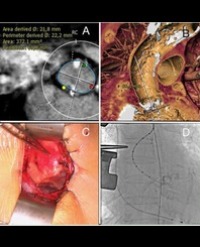
Direct Aortic Portico Trans-Catheter Aortic Valve Implantation via Right Anterior Thoracotomy

Transcatheter Aortic Valves Implantation (TAVI) is a valid treatment for elderly patients with symptomatic severe aortic stenosis considered high- or intermediate risk surgical candidates. Retrograde trans-femoral approach should be considered the less invasive approach; however, TAVI patients are often affected also by severe iliac-femoral arteriopathy, rendering the trans-femoral approach either unemployable or deemed to carry a high risk of vascular complications. We describe a case of Portico™ TAVI system (St Jude Medical, St Paul, MN, USA) implantation made through a right anterior mini-thoracotomy in an 83 year-old patient affected by severe aortic stenosis and severe peripheral vasculopathy.

Giuseppe Bruschi*, Bruno Merlanti, Paola Colombo, Stefano Nava, Oriana Belli, Francesco Musca, Fabrizio Oliva and Claudio F Russo


Article Image 1

Dual Antiplatelet Therapy in Acute Coronary Syndrome

Although a large volume of evidence supporting the use of dual antiplatelet therapy in patients with the acute coronary syndrome, there remains major uncertainty regarding the optimal duration of treatment. Clinical trials have varied markedly in the length of treatment. Some systematic reviews and meta-analyses assert that shorter durations of dual antiplatelet therapy are superior because the avoidance of thrombotic events is counterbalanced by the greater risks of significant excess bleeding with definite enhances in all-cause mortality with longer durations. These findings did not demonstrate remarkable heterogeneity according to whether patients had coronary artery disease. Therefore, the potential damages and benefits may differ when applied to the broad patients met in clinical practice who have notably higher complication rates. Clinicians have no definitive information regarding the duration of therapy in patients with the acute coronary disease. The clinical evidence would further clear up future research into strategies for personalized medicine.

Tarik Kivrak1*, Kenan Erdem2 and Ilgin Karaca2


Article Image 1

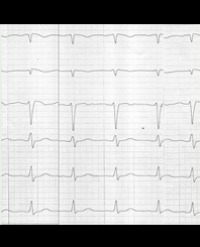
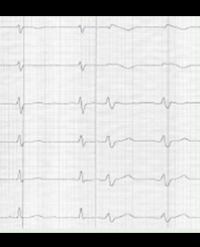
Amplitude of Inverted T-Waves in Arrhythmogenic Cardiomyopathy in Special Right Ventricular Leads

Background: Arrhythmogenic cardiomyopathy is electrocardiographically characterized by right precordial T-wave inversions and epsilon waves as major criteria. Additionally, terminal activation delay of 55ms or more serves as a minor criterion. More and more evident are pathological data of right ventricles without dilatation or aneurysm, but typical fibrofatty abnormalities and myocardial atrophy. The ECG’s of these patients lack right precordial T-wave inversion and epsilon waves. Lead aVR and lead V1 could become more and more relevant.

Method: 413 cases with arrhythmogenic cardiomyopathy (292 males, mean age 46.3 ± 11.6 years) and a collective of normal probands (1496 patients, 859 males with an age range of 18-81 years) was analyzed with regard to ECG appearance of lead aVR and the amplitude of inverted T-waves in lead V1.

Results: With a specificity of 99.9%, a positive predictive value of 99.7% and a negative predictive value of 98% lead V1 and aVR were most relevant to diagnose arrhythmogenic cardiomyopathy if an amplitude of Q waves of 3mm or more, R waves of 2mm or less, inverted T waves of 2mm or less in lead aVR and inverted T waves in lead V1 were present.

Conclusion: These two leads appear most relevant to make the diagnosis of arrhythmogenic cardiomyopathy even in cases without right ventricular dilatation and right ventricular aneurysms.

Stefan Peters*


Article Image 1

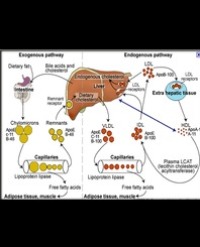
The Mechanism of the Emergence of Atherosclerosis, New Perspectives

In all the previous research conducted on chylomicrons and their metabolidsm, the potential influence onto the formation and development of atherosclerotic and other changes in the body, the chylomicrons obtained by means of the cannuling of the ductus thoracicus are used exlusively in its abdominal part, immediately from or next to the cisterna chyli. So obtained chylomicrons present essentially a mixture of the particles of various sizes, chemical composition and superficial distribution of the lipid, cholesterol and protein phase, so that their averaged effects are always measured. Chylomicrons obtained from the serum, which are certainly not native chylomicrons, but their remnants, given the proved speed of their decomposition within the circulation. Another extremely important fact has not been researched yet, related to the cannuling of the ductus thoracicus, during which the mixing of chylomicrons with the lymph inflow is permanently disabled, as well as the inflow of chylomicrons and a large part of the lymph into the circulation. Thus, an organism is brought into the state of starvation, which probably leads to changes in the plasma lipoprotein metabolism. Such a situation may also have a retroactive effect on the generation and composition of the newly formed chylomicrons in the small intestine.This fact indicates significant shortcomings in the research of chylomicrons, in defining their potential role and impact on the generation of cardiovascular diseases, since the impact of the lymph and the lymphatic circulation has not been researched. The passage of chylomicrons through the lungs, and the potential impact of mastocytes on their final structure and composition at the moment of their entering the circulatory system has not been researched either. The passage of chylomicrons through ductus thoracicus and lungs can be considered a grey zone, an area which has not been researched yet, and which is to be thoroughly researched. Special attention is to be paid to the generation and role of large chylomicron particles, which I believe are the primary cause of the formation of atherosclerotic, and I hope there will be a research conducted in the future to confirm this.

BO IDAR KOCMUR*


Article Image 1

Prevalence and Factors Associated with Metabolic Syndrome in People Living with HIV in Parakou in 2016

ARV treatment has improved the quality of life of PHAs, but at the same time the occurrence of complications including the metabolic syndrome.

Objective: To study the prevalence of DM and associated factors in PHAs receiving ARV treatment and follow-up at the University Hospital Center of Borgou (CHUDB) in Parakou in 2016.

Patients and Methods: A cross-sectional, descriptive and analytical study with a prospective collection of data from 1 February to 31 July 2016. A comprehensive recruitment of all PLHIVs of at least 15 years of age was followed at the CHDB and agreed to completion of the study. The metabolic syndrome was defined according to the criteria of the IDF. All patients received a biological check-up.

Results: 215 PHAs were included; the sex ratio was 0.47; the average age: 43.65 ± 11.38 years. The metabolic syndrome was found in 39 patients (18.14%). Among the subjects surveyed, 33.02% were hypertensive. Abdominal obesity, according to IDF criteria was found in 24.19% of cases;the overweight and overall obesity were 28.37% and 09.20%, respectively. Dyslipidemia in 53.95% of cases with total hypercholesterolemia in 32.09% of cases, LDL hypercholesterolemia in 21.86% of cases, HDL hypocholesterolemia in 68.37% of cases and hypertriglyceridemia in 21.86% of cases. Metabolic syndrome was associated with female sex and overweight.

Conclusion: Metabolic syndrome is common in PHAs.

Hugues Dohou*, Dohou Shm, Codjo Hl, Attinsounon Ca, Gomina M, Sonou Dja, Ahouansou Ml and Houenassi DM


Article Image 1

Case Report: A Rare Case of Pyopericardium with Atypical Cardiac Tamponade Presentation in an Elderly Man

Introduction: Common causes of pericardial effusions include malignancy, renal failure, autoimmune disease or infection. Infection is one of the commonest causes of pericardial effusion. It is most often viral in aetiology and non-purulent. When the pericardial fluid is purulent, the presence of bacteria is likely.

Case presentation: We report a 72 years old Chinese man presented with mild symptoms of heart failure. He had no history of fever, weight or appetite loss, chest pain or history of tuberculosis contact. On auscultation, the heart sounds were muffled and there were minimal basal crackles over both lungs. His echocardiography showed signs of cardiac tamponade though clinically he is relatively well. Pericardiocentensis was not performed due to narrow window with thin effusion at ventricular apex. Pericardial window was done via left posterolateral thoracotomy. Intraoperatively, 500cc of purulent fluid was drained. Microbiology screens were all negative.

Discussion: We present the atypical clinical course of this elderly man presenting with a large pyopericardium. Patient with pyopericardium often present in an extreme end of spectrum with septic shock with high mortality risk. However in current case, the presentation is atypical. Thus, careful and detailed evaluation with echocardiography is essential to unmask this potentially lethal disease. A simple surgical intervention of pericardial window will be an important life-saving option for patients presented with this condition.

Conclusion: Pyopericardium can present in an atypical milder disease spectrum with relatively minor symptoms of heart failure. Careful and detailed evaluation with echocardiography is essential to unmask this potentially lethal condition.

See Ws*, Tan Jh, Henry Tan Cl, Syed Rasul SH and Simon JV


Article Image 1

FPU Recurrence in the Coupled Blood Pressure Dynamics in Magisterial and Small Arteries Networks and the Character of its Interaction with the Heart Electrical Activity

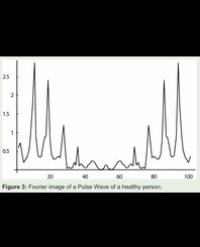
Computer model simulating the coupled blood pressure dynamics in magisterial and small arteries with the heart electrical dynamics has been suggested. The Fermi-Pasta-Ulam auto recurrence in the description of the electrical activity of the heart has demonstrated the universal role of the FPU recurrence in the study of dynamical systems. The heart electrical dynamics was described by the coupled Van der Pol differential equations with a time lags, linked with two additively coupled non linear differential equations circumscribing the blood pressure dynamics in the networks of magisterial and small arteries. The arterial blood pressure dynamics was interpreted as coupled FPU recurrences showing a rich variety of resulting FPU spectra, which were referred to different states of Cardio Vascular System. Synchronous registering of the real ECG and Pulse Wave Fourier dynamic images allowed unifying the characteristic Fourier pictures of the heart electrical activity with the hydrodynamic blood parameters developing in the networks of two types of arteries. The computer study of the suggested model and comparison of its resultswith the real data proved that the ECG Fourier parameters coupled with the Pulse Wave Fourier parameters form the FPU spectra that increase stability of Cardio Vascular System and can be used for diagnostics as well as for evaluation of the therapeutic arrangements results.

Novopashin MA, Shmid AV and Berezin AA*


Article Image 1

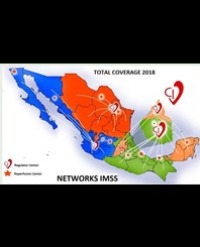
Mexican Institute of Social Security (Imss): National Network Plan for St Elevation Acute Myocardial Infarction,

Infarction code is a strategic plan implemented in the IMSS in order to reduce the times of medical care processes from First Medical Contact (FMC) to discharge and rehabilitation of the patient with ST-segment Elevation Myocardial Infarction (STEMI). Recent developments have provided a unique opportunity for the organization of regional networks of STEMI receiving centers. Due to the fact that the cumulative evidence has shown that Percutaneous Coronary Intervention (PCI) primary is the most effective for the STEMI reperfusion strategy, the development of integrated networks using “control centers” could extend the benefits the primary PCI to one much larger Mexican population segment. Control center is a call center equipped with appropriate internet technology to receive not only the call but digital data such as ECG and other laboratory parameters in order to speed up Triage and inter-hospital patient transfer. Factors that favor the development of regional networks include results from recently published clinical trials, a vision of current patterns of treatment of STEMI from observational records, the experience with the current system for trauma in United States of America (USA) and the technological advances. 

Gabriela Borrayo-Sánchez1, Martin Rosas-Peralta2*, Erick Ramirez-Árias3, Janai Santiago-López4, Eduardo Almeida-Gutiérrez5, Efrain Arizmendi-Uribe6, Ernesto Ayala López7, Hector-David Martinez-Chapa8 and José de Jesús Arriaga-Dávila9


Article Image 1

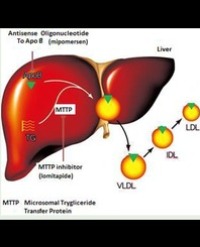
Atherogenic Dyslipidemia: What

Currently, new classes of lipid-lowering drugs have been developed. Some of them are available for clinical practice. The convertase intended / kexintype pro-proteina 9 (PCSK9) inhibitor increases the expression of the Low Density Lipoprotein (LDL) receptors on hepatocytes through improved recycling of LDL receptor. Now is accepted that Statins have proven to be a very effective and safe treatment in many and various types of studies including controlled, clinical trials and treatment of first line against the atherogenic dyslipidemia. However and to weights of a treatment optimal with Statins, 60% to 80% of risk cardiovascular residual persists. Thus, patients with Familial Hypercholesterolemia with a very high level of cholesterol in Lipoproteins of Low Density (LDL-C) and patients who do not tolerate or do not respond to Statins are other barriers to treatment with Statins. The inhibitor of PCSK9 recently showed results promising of down in form significant C-LDL in the Hypercholesterolemia Family (HF) of them patients of the phase of trials to long term III. MTP inhibitor and against ApoB antisense oligonucleotide were approved for the treatment of homozygous familial hyperlipidemia but it still needs more evidence strengthened by the hepatic safety as hepatosteatosis.

Gabriela Borrayo-Sánchez1, Martin Rosas-Peralta2*, Janai Santiago-López3, Erick Ramírez-Árias4, Eduardo Almeida-Gutierrez5, Hector-David Martínez-Chapa6, Efraín Arizmendi-Uribe7 and Jose de Jesús Arriaga-Dávila8


Article Image 1

Ocular Histoplasmosis: A Case Report

Introduction: Histoplasmosis is a systemic mycosis present in an endemic state in many tropical or temperate regions. It is a pathology induced by Histoplasma capsulatum, dimorphic fungus thriving in wetlands and at moderate temperatures. In immunocompetent subjects, 95% of clinical forms are asymptomatic. The preferred sites for this dissemination are pulmonary, medullary, hepatic, splenic and ganglionic. Exceptionally, the fungus can reach the eye.

Materials and methods: We report a case of ocular histoplasmosis in a 62-year-old patient.

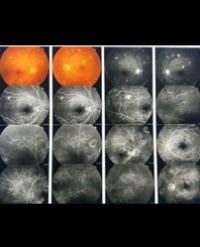
Observation: It is a patient aged 62 years, diabetic under insulin for 5 months (discovery inaugural), amputated on the right side for a diabetic foot in October 2016, which showed a decrease in visual acuity appeared for 5 months . A complete ophthalmologic examination was carried out as part of the degenerative assessment of his diabetes, and he objectified: visual acuity at 1/10 at right eye, 2/10 at left, ocular tone at 16 mmhg at right eye and 14 mmhg at left, biomicroscopic examination didn’t find tyndall in the anterior chamber, examination in the bottom of eye showed: the presence of choroidal depigmented white at the retinal periphery with blamed hemorrhages, the absence of inflammation and inflammatory cells in the vitreous in both eyes, and the presence of peripapillary atrophy in the left eye.

Discussion: Ocular Histoplasmosis Syndrome (SS) is a deep mycosis with a pulmonary entry portal characterized by chorio retinal disorder caused by Histoplasma capsulatum, which is commonly found in endemic areas. The ocular damage remains quite exceptional since only 1.6 to 5.3% of patients with histoplasmosis are affected. The diagnosis of ocular histoplasmosis is made by clinical examination. The fundus of the eye can find histo spots, peripapillary atrophy, macular disciform lesions active or not and never finds inflammatory cells in the vitreous and the anterior segment. The systemic antifungal treatments used in the treatment of histoplasmosis have little use in the treatment of ophthalmologic involvement because the fungus does not appear to be in the eye at the time of ophthalmologic diagnosis. The treatment of eye damage is therefore very specific.

Conclusion: Ocular histoplasmosis is a fungal infection that has long been underestimated because of the asymptomatic or benign character of the primary infection. Indeed, this ophthalmological pathology, of random evolution and with heavy clinical consequences, is very little known and rarely sought, whereas an early diagnosis improves its management and hence its functional prognosis.

Mouzari Y*, Atidi H, Jâafari D, Chekhchar M and kriet M