Short Communication | Volume 2 - Issue 1 | Article DOI :
Download PDF
Pedro J Jiménez1, Juan José Alava1,2*, Cristina Castro3, Jorge Samaniego4 and Patricia Fair5
1Fundación Ecuatoriana para el Estudio de Mamíferos Marinos (FEMM), Guayaquil, Ecuador 2Institute for the Oceans and Fisheries, University of British Columbia, Canada 3Pacific Whale Foundation-Ecuador, Malecón Julio Izurieta, Puerto López, Puerto López, Ecuador 4World Wildlife Fund-Ecuador, Ecuador 5Department of Public Health Science, Medical University of South Carolina, United States
Corresponding Author:
Juan José Alava, Institute for the Oceans and Fisheries, University of British Columbia, Vancouver, BC V6T 1Z4, Canada, Tel: 604-291-0019
Abstract
Among anthropogenic threats to marine mammals, bycatch is one of the major and increasing concerns. This report describes three species of small cetaceans, including a short-beaked common dolphin (Delphinus delphis), a bottlenose dolphin (Tursiops truncatus), and two dwarf sperm whales (Kogia sima), which were found stranded with pectoral fins, dorsal fins and caudal fin removed. The dolphins were found at the beaches of San José de Las Nuñez and San Pablo, respectively (Santa Elena Peninsula Province on 14 August 2017), while the dwarf sperm whales were found in Puerto Lopéz and Crucita (Manabí Province) in July 2014 and August 2015, respectively. Possible explanation for the dolphins and dwarf sperm whales missing fins support the event as a possible case of fishery interaction or bycatch with systematic removal of their fins. Although remnants of artisanal gillnets were not found near the two dolphin species, one of the dwarf sperm whales showed marks of artisanal gillnets on the body as evidence of bycatch. Trade of dolphin carcasses and their parts for bait by fishers cannot be ruled out as there is some evidence of this practice in the past. Both dolphins species are vulnerable species at the national level and commonly involved in incidental captures with gillnets of artisanal fisheries in Coastal Ecuador. Cetacean bycatch is a grave conservation problem affecting several cetacean species in Ecuador’s waters. Fisheries and environmental authorities must be vigilant and enforce actions to proactively mitigate possible anthropogenic impacts and promote environmental education activities in fishing communities to conserve vulnerable dolphin species in Ecuador’s waters. Further, to comply with new rules and regulations of the US Marine Mammal Protection Act (MMPA) intended to reduce the bycatch of marine mammals in foreign commercial fishing operations that export fish and fish products to the United States, a regulatory program is urgently needed to mitigate and reduce fisheries interactions with marine mammals in Ecuador.
Citation
Jiménez PJ, Alava JJ, Castro C, Samaniego J and Fair P. Stranding of Small Cetaceans with Missing Fins Raises Concerns on Cetacean Conservation in Ecuador: Bycatch or Targeted Fisheries?. Int J Fisheries Sci Res. 2018; 2(1): 1006.
Introduction
Cetaceans are a key functional group of marine mammals inhabiting Ecuador’s marine waters where they play a crucial role as apex predators controlling top down process [1], but facing several anthropogenic threats at the local, regional and global levels, where bycatch is the top threat [2-4].
Bycatch events of small cetacean species interacting with small-scale (artisanal) fisheries such as gillnets include several species of dolphins such as the common dolphin (Delphinus delphis), spotted dolphin (Stenella attenuata), bottlenose dolphin (Tursiops truncatus) and Risso’s dolphin (Grampus griseus) [5-8]. Other bycatch mortalities of small cetaceans include pilot whales (Globicephala sp.) and the dwarf sperm whale (Kogia sima) [6-8]. For instance, common dolphin is the most frequently bycaught species by fisheries interactions in Ecuador (e.g., Santa Rosa in Santa Elena Province) with an estimate of 98 and 251 dolphins captured from July to October 2009 (i.e. 0.5 dolphins/day) and from February to December 2010 (i.e. 0.76 dolphins/day), respectively [7]. Common dolphins make up of between 70% and 90% of the total composition of bycaught dolphins [5,7]. These estimations are one of the highest bycatch rates for any cetacean species in Ecuador’s marine waters [3].
In addition to bycatch, some species inhabiting Ecuador’s coastal zones such as the vulnerable bottlenose dolphins (T. truncatus) are impacted by other anthropogenic threats including chemical pollution, diseases and habitat disturbances with marked signs of population decline [9-11].
While the stranding of dolphins and other cetaceans are frequently recorded along Ecuador’s coast, little is known about targeted fisheries of dolphins for human consumption and/or bait to be used in illegal fishing activities. During the early 1990’s, the take and market of dolphin carcasses for bait by fishers in Puerto López (Manabí Province) and Puerto Bolívar (El Oro Province), fishing ports located at the central and southern coast of Ecuador, respectively, has previously been reported [5,23]. Currently, due to the lack of surveys and field monitoring, there is no evidence to confirm whether this practice may still persist in Ecuador.
The occurrence of stranded small cetaceans with missing fins raises red flags for the conservation of these species and questions linger on the origin of this event. Here, we communicate recent stranding events involving the presence of two dwarf sperm whales and two species of dolphins from which their fins were apparently removed in coastal Ecuador in 2014, 2015 and 2017 and discuss the possible causes associated to these findings.
Field Observations and Case Report
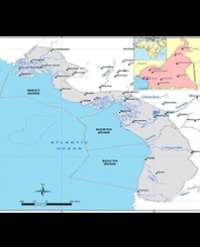
On 14 August 2017, two species of dolphins were found stranded with either pectoral fins or caudal fin removed, at the beaches of San Joséde Las Nuñez (1.73°S, 80.78°W)and San Pablo (2.15°S, 80.78°W), respectively (Santa Elena Peninsula Province, Ecuador) (Figure 1).

Figure 1: Map of Ecuador illustrating the mainland coast and the fisheries villages, including San Joséde Las Nuñez (1.73°S, 80.78°W) and San Pablo (2.15°S, 80.78°W) in Santa Elena Peninsula Province, where the dolphins were found in August 2017, as well as Puerto López (1°25’S, 79°55’W) and Crucita (0°52’ S, 80°32’W) in Manabí Province, where the two dwarf sperm whales were recorded in July 2014 and August 2015. Other locations, including Puna Island and Puerto Bolívar, where there was respectively evidence of trade, harpooning and use of dolphin as bait in the past [5,24], are also shown in the map.
The species were identified as the short-beaked common dolphin (Delphinus delphis), from which their pectoral fins were systematically cut and removed, and a bottlenose dolphin (Tursiops truncatus), from which the caudal fin or tail was missing, according to officials of the Ministry of Environment of Ecuador (MAE) and rangers from the El Pelado Marine Reserve (Figure 2) [12].

Figure 2: Two dolphins identified as belonging to the species common (Delphinus delphis) and bottlenose (Tursiops truncatus) dolphins were found dead on the beaches of San Jose de Las Nuñez and San Pablo, Santa Elena Peninsula, on August 15, 2017. The common dolphins were found without pectoral fins, while the bottlenose dolphin was missing its caudal fin or tail (see photo). The photo was originally published by the newspaper Diario EL COMERCIO on 18 August 2017 at the following link [12].
This government entity conducted an investigation to elucidate the cause of the dolphins’ mortality as several conservation concerns were raised by local coastal communities and the general public in the face of this alarming finding.
On July 2014, a dwarf sperm whales (Kogia sima) showing systematic cuts of the caudal fin and external gillnets marks due to entanglement on the body was found in Puerto Lopez (1°25’S, 79°55’W), Manabí Province (Figures 3A and 3B). A second stranded dwarf sperm whale without the dorsal fin was found in Crucita (0°52’ S, 80°32’W), Manabí Province, in 2015 (Figure 3C). These two cases of dwarf sperm whales with removed fins are among the first reports providing evidence of extraction of fins in this particular species in Ecuador.
While questions still remain about the possible causes explaining the mortality of the two dolphins and dwarf sperm whales, we suggest consideration of the following plausible theories:
1. This event may be a possible case of fishing interaction or bycatch with artisanal gill nets, in which the fins were cut to protect the nets instead of giving first priority to rescuing the dolphins. This is further supported by the fact that there are more cases of small cetaceans, in which not only the dorsal fins have been cut, but also the tail, which is usually split in two large parts (Figure 3).

Figure 3: Specimens of dwarf sperm whales (Kogia sima) showing mutilation of fins. A-B) dwarf sperm whale exhibiting lack of caudal fin, which was systematically cut in two portions and removed (white arrows) and marks of entanglements by gillnets on the body (white arrow); this individual was found in the Puerto Lopez (Manabí Province) in July 2014; and, C) juvenile male of dwarf sperm whale missing the dorsal fin found in Crucita (Manabí Province) in August 2015.Photo credits: Pacific Whale Foundation-Ecuador.
These cuts are caused in incidental fisheries, in which the dolphins are trapped and the fishers cut the dorsal fin and tail to save their nets from damage. This is likely to be a common cultural behavior of fishers for lack of environmental education and concern about the ecosystem function role of this species. While remnants of artisanal gillnets were not found near the dolphin bodies to support this possibility, at least one of the dwarf sperm whales showed injuries inflicted by gillnets as indicated by the marks found around the body of the specimens found in Puerto Lopez in 2014 (Figures 3A and 3B). Cetacean bycatch is a grave and chronic conservation problem affecting several species of small dolphins and humpback whales in Ecuador’s waters [3,5-8,13-15].
2. It cannot be ruled out that this finding may well be a case of targeted fisheries to chase and hunt dolphins to extract internal organs or fins by Asian or South American vessels to be traded in international black markets. Dolphins have been hunted in Peru and there is evidence of the use of marine mammal meat (dolphins) used as bait for fishing in marine waters along the Southeastern Tropical Pacific, mainly in waters off Colombia and Peru [16-18].
3. As a possible case of a predatory event, the attack by predators such as sharks or killer whales (Orcinus orca), which can be found in Ecuador’s marine waters, might also be considered. For instance, killer whales attacks on humpback whales have been recorded along coastal waters of Ecuador [19-21]. For instance, a sighting of a killer whale was reported in August 2017 in Santa Elena Puntilla’s waters (P. Jimenez, pers comm., 2017). However, in this case signs of bites and wounds inflicted by a predator were not found in any of the dead specimens.
Discussion
While the status of the dwarf sperm whale (K. sima) is categorized as Data Deficient (DD) species, both the common (D. delphis) and bottlenose (T. truncatus) dolphins are Vulnerable (VU) species at the national level, according to the Red Book of Mammals of Ecuador [9,22,23]. These three species of small cetaceans are commonly involved in incidental captures with gillnets of artisanal fisheries in Coastal Ecuador [3]. Small cetacean bycatch and the use of dolphins’ meat as bait are pervasive activities along the Pacific coast of South America, mainly in Guatemala, Ecuador, Colombia and Peru [3,4,9,16-18,24-27]. In Ecuador, there is evidence supporting the fact that some fishers were willing to pay up to US $75 for a dolphin carcass to obtain bait in the 1990s [5]. At present, questions linger on whether the trade of bait collected from small cetaceans bycaught continues in Puerto López, but a small scale black market seems to continue in Puerto Bolívar (Figure 1) [5,24], where at least one boat harpooned dolphins in the past [24]. Likewise, at least one bottlenose dolphin was harpooned by fishers nearby Puna Island (Gulf of Guayaquil) (Figure 1) [24]. The use of cast net (a fishing gear locally known as “voladora”) by a fisher from Posorja Habor to directly target and hunt bottlenose dolphins to trade dolphin’s meat in the local markets was anecdotally reported to rangers from the El Morro Mangrove Ecological Reserve in 2017 (Juan Romero, pers. comm., 2017). Meanwhile, the status of this current practice has yet to be fully assessed in coastal Ecuador.
In recent times, the exploitation and occasional hunting of dolphins in fisheries for human consumption in some of these countries have rapidly increased because of the alleged effectiveness of using dolphins’ meat as bait [4,17,18,24-30]. For instance, small cetaceans and sea lions that are incidentally captured in surface gillnets, long-line and purse seiner by fishing operations in Ecuador’s coastal waters are illegally used as bait in Fish Aggregation Devices (FAD) activities [31]. Similarly, fishers use the adipose and fat tissue of dolphins, whales, and porpoises as preferred bait for catching sharks in Brazil [30].
While fisheries targeting or hunting of dolphins for human consumption is currently not a traditional fishing practice by small or large scale fisheries in Ecuador, the occurrence of these stranded dolphins with their fins removed is controversial and raises a red flag in terms of the conservation of cetaceans and illegal fisheries in Ecuadorian marine waters. Conversely, although these episodes may perhaps be considered as isolated cases with a low impact at the population level, the direct hunting of dolphins could signal a more prevalent fishing activity in Ecuador’s waters than previously thought. This illegal activity has the potential to increase because regional fisheries can be depleted by overexploitation [4,32,33]. Thus, a targeted fishery may be developed considering the interactions of some artisanal fleets from Peru and Ecuador that share some fishing zones within the economic exclusive zone. In other words, Ecuadorian fishers could be influenced to pursue this activity because of depleted fish stocks and the need of economical incomes for subsistence.
The new rules and regulations of the US Marine Mammal Protection Act (MMPA) regarding the provisions related to implement import restrictions of fish and fish products from fisheries that have incidental or intentional mortality and serious injury of marine mammals (Federal Register 80 FR 54390 on August 15, 2016, Department of Commerce National Marine Fisheries Service, National Oceanic and Atmospheric Administration [34]) further highlight the need to implement a regulatory program in compliance with the US MMPA regulations to mitigate and reduce cetacean bycatch in Ecuador (e.g., implementation of pingers in the artisanal gillnets fleet [3]). This has tremendous socio-economic implications as Ecuador is in the list of the top 20 exporters of seafood to USA.
Fisheries and environmental authorities must be vigilant and enforce actions to proactively mitigate possible anthropogenic impacts and promote environmental education activities in fishing communities to conserve vulnerable dolphin species in Ecuador’s waters.
Acknowledgements
We specially thank the US Fulbright Award for P. Fair to conduct conservation efforts and research of cetaceans in Ecuador. The authors acknowledge Fundación Ecuatoriana para el Estudio de Mamíferos Marinos (FEMM), Pacific Whale Foundation-Ecuador (PWF), and WWF-Ecuador for their continued commitments to marine mammal conservation and research during the last three decades in Ecuador.
References
1. Alava JJ. Carbon productivity and flux in the marine ecosystems of the Galapagos Marine Reserve based on cetacean abundances and trophic indices. Rev. Biol. Mar.Oceanogr.2009; 44: 109-122.
2. CPPS. Memorias del Taller de Trabajo sobre el impacto de las actividadesantropogénicas en mamíferos marinos en el Pacifico Sudeste. Bogota, Colombia, 28-29 Noviembre 2006. Comisión Permanente del Pacifico Sur, Guayaquil, Ecuador. 2007.
3. Alava JJ, Tatar B, Barragán MJ, Castro C, Rosero P, Denkinger J, et al. Mitigating cetacean bycatch in coastal Ecuador: Governance challenges for small-scale fisheries. Mar. Policy. 2017.
4. Avila IC, Kaschner K, Dormann CF. Current global risks to marine mammals: Taking stock of the threats. Biol.Conser.2018; 221: 44-58.
5. Félix F, Samaniego J. Incidental catches of small cetaceans in the artisanal f isheries of Ecuador. Rep. Int.Whal.Comm. 1994; 15: 475-480.
6. Castro C, Rosero P. Interacción de cetáceos menores con artes de pesca artesanalen el Parque Nacional Machalilla, Ecuador, In: Comisión Permanente del PacíficoSur - CPPS. Plan de acción para la protección del medio marino y áreas costeras delPacífico Sudeste, 2010.
7. Coello D, Herrera M, Calle M, Castro R, Medina C, Chalén X. Incidencia deTiburones, Rayas, Aves, Tortugas y Mamíferos Marinos en la Pesquería Artesanalcon Enmalle de Superficie en la caleta pesquera de Santa Rosa (Provincia de SantaElena) Ecuador, Instituto Nacional de Pesca (Boletín Especial). 2011; 2: 1-51.
8. Rosero P. Tasa de captura incidental de mamíferos, aves, reptiles y peces cartilaginosos con pesca artesanal en el Área Marina del Parque Nacional Machalilla - Ecuador, Tésis de Licenciatura en Ciencias Biológicas, Universidad Central del Ecuador. 2010.
9. Jiménez P, Alava JJ, Castro C, Denkinger J, Haase B, Utreras V, et al. Delfín nariz de botella, Tursiopstruncatus. In:Tirira DG.Libro rojo de los mamíferos de Ecuador. 2nd edición. IUCN. Fundación Mamíferos y Conservación, Pontificia Universidad Católica del Ecuador (PUCE), Ministerio del Ambiente, Quito, Ecuador.2011; 239-240.
10. Jiménez PJ, Alava JJ. Population Ecology and Anthropogenic Stressors of the Coastal Bottlenose Dolphin (Tursiopstruncatus) in the El Morro Mangrove and Wildlife Refuge, Guayaquil Gulf, Ecuador: Toward Conservation and Management Actions. In: Samuels JB. Dolphins: Ecology, Behavior and Conservation Strategies. Series: Marine Biology. Nova Science Publishers, Inc. Hauppauge, NY, USA. 2014; 131-163.
11. Félix F, Calderón A, Vintimilla M, Bayas-Rea Rosa A. Decreasing population trend in coastal bottlenose dolphin (Tursiops truncatus) from the Gulf of Guayaquil, Ecuador.Aquat.Conserv. Mar.FreshwaterEcosyst.2017; 27: 856-866.
12. EL Comercio. Dos delfines sin aletas fueron hallados en playas de Santa. 2017; 2107. http://www.elcomercio.com/tendencias/delfines-aletas-playas santaelena-ministeriodelambiente.html
13. Alava JJ, Barragan MJ, Castro C, Carvajal R. A note on strandings and entanglements of humpback whales (Megaptera novaeangliae) in Ecuador, J. Cetacea. Res. Manag. 2005; 7:163-168.
14. Alava JJ, Barragan MJ, Denkinger J. Assessing the impact of bycatch on Ecuadorian humpback whale breeding stock: a review with management recommendations.Ocean Coast. Manag. 2012; 57: 34-43.
15. Félix F, Muñoz M, Falconi J, Botero N, Haase B. Entanglement of humpback whales in artisanal fishing gear in Ecuador, J. Cetacea. Res. Manag. 2011; 3: 285-290.
16. Van Waerebeek K, Van Bressem MF, Reyes JC, Alfaro JA, Bello R, Echegaray M, et al. Illegal Exploitation of Small Cetaceans in Peru. Final Report to United Nations Environment Programme, Nairobi, and the Whale and Dolphin Conservation Society, UK. 1994.
17. Avila IC, Garcia C, Bastidas, JC. A note on the use of dolphins for bait in the artisanal fisheries off Bahia Solano, Choco, Columbia. J.Cetac. Res. Manage. 2008; 10: 179-182.
18. Mangel JC, Alfaro-Shigueto J, Van Waerebeek K, Cáceres C, Bearhop S, Witt MJ, et al. Small cetacean captures in Peruvian artisanal fisheries: high despite protective legislation. Biol.Conser. 2010; 143: 136-143.
19. Scheidat M, Castro C, Denkinger J, González J, Adelung D. A breeding area for humpback whales (Megaptera novaeangliae) off Ecuador. J.Cetac. Res. Manage. 2000; 2: 165-172.
20. Castro C, González J. Población de la ballena jorobada Megaptera novaeangliae Balaenopteridae, en el Parque Nacional Machalilla, Ecuador. DoctorateThesis, Universidad Central del Ecuador. 2002.
21. Alava JJ, Smith KJ, O’Hern J, Alarcόn D, Merlen G. Denkinger J. Observations of killer whale (Orcinus orca) attacks on Bryde’s whales (Balaenoptera edeni) in the Galapagos Islands. Aquat.Mamm. 2013: 39: 196-201.
22. Alava JJ, Castro C, Denkinger J, Haase B, Utreras V, Tirira DG, et al. Delfín común de hocico largo (Delphinusdelphis). In:Tirira DG.Libro rojo de los mamíferos de Ecuador.2da edición. IUCN. Fundación Mamíferos y Conservación, Pontificia Universidad Católica del Ecuador, Ministerio del Ambiente, Quito, Ecuador.2011; 235-236.
23. Castro C, Denkinger J, Haase B, Utreras V, Alava JJ, Tirira DG. Cachalote enano (Kogia sima). In: Tirira DG. Libro rojo de los mamíferos de Ecuador.2da edición. IUCN. Fundación Mamíferos y Conservación, Pontificia Universidad Católica del Ecuador y Ministerio del Ambiente del Ecuador. Quito, Ecuador. 2011.
24. Van Waerebeek K, Van Bressem MF, Félix F, Alfaro-Shigueto J, García GodosA, Chávez-Lisambart L, et al. Mortality of dolphins and porpoises in coastal fisheries off Peru and southern Ecuador in 1994. Biol.Conser. 1997; 81: 43-49.
25. Majluf P, Babcock EA, Riveros JC, Arias Schreiber M, Alderete W. Catch and bycatch of sea birds and marine mammals in the small-scale fishery of Punta San Juan, Peru. Conser. Biol. 2002; 16: 1333-1343.
26. Quintana-Rizzo E. Harpooning and entanglement of wild dolphins in the Pacific coast of Guatemala. Lat. Am. J.Aquat.Mamm. (LAJAM). 2014: 9: 179-182.
27. Read A, Van Waerebeek K, Reyes J, Mckinnon JS, Lehman LC. The exploitation of small cetaceans in coastal Peru. Biol.Conser. 1988; 46: 53-70.
28. Van Waerebeek K, Reyes J. Catch of small cetaceans at Pucusana port, central Peru, during 1987. Biol.Conser. 1990; 51: 15-22.
29. Goodall RNP, Galeazzi AR, Lichter AA. Exploitation of small cetaceans off Argentina 1979-1986. Rep. Int.Whal. Comm.1988; 38: 407-410.
30. Barbosa-Filho MLV, Barreto RMF, Siciliano S, Seminara CI, Costa-Neto EM 2018. Use of Cetaceans as Bait in Southern Bahia, Brazil, by Expert Fishermen that Market Shark Fins: A Lucrative Trade and Two Threatened Zoological Groups. Ethnobiol. Lett. 2018; 9: 12-18.
31. Castro C, Cardenas D, Kaufman, G. First records of marine mammals takes in fisheries on the Ecuadorian Continental Coast.Document presented to International Whaling Commission: Workshop on Poorly Documented Takes of Small Cetaceans, SC/M18/SAW08. SouthAmerica, Santos, Brasil, March 2018.
32. Alava JJ, Paladines F. Illegal fishing on the Galapagos high seas. Science 2017; 357: 1362.
33. Alava JJ, Barragán-Paladines MJ, Denkinger J, Muñoz-Abril L, Jiménez PJ, Paladines F, et al. Massive Chinese Fleet Jeopardizes Threatened Shark Species around the Galápagos Marine Reserve and Waters off Ecuador: Implications for National and International Fisheries Policy. Int. J. Fish. Sci. Res. 2017; 1: 1001.
34. Department of Commerce, National Oceanic and Atmospheric Administration. Fish and Fish Product Import Provisions of the Marine Mammal Protection Act; Final Rule. Federal Register 81 FR 54389, Document # 2016-19158; 2016; 81: 54389-54419.