Back to Journal

SM Virology

The Oncogenesis of John Cunningham Virus

[ ISSN : 3067-9974 ]

Abstract Citation Introduction to John Cunningham Virus JCV in Head and Neck Squamous Cancers JCV in Lung Cancer JCV in Gastrointestinal Cancer The Transgenic Mouse Model of JCV T-Antigen Expressing in Epithelial Cells Conclusions REFERENCES
Details

Received: 23-Nov-2015

Accepted: 09-Dec-2015

Published: 21-Jan-2016

Lei Fang1 and Hua-chuan Zheng2*

1Cancer Center, Key Laboratory of Brain and Spinal Cord Injury of Liaoning Province, China

2Laboratory Animal Center, The First Affiliated Hospital of Liaoning Medical University, China

Corresponding Author:

Hua-chuan Zheng, Laboratory AnimalCenter, The First Affiliated Hospital of Liaoning Medical University, China,

Keywords

JCV; Oncogenesis

Abstract

The John Cunningham Virus (JCV) was isolated in culture from the brain of a case of Progressive Multifocal Leukoencephalopathy (PML) complicating Hodgkin’s disease. JCV contains icosahedral capsids that are composed of three structural viral proteins and small, circular, double-stranded DNA genomes. JCV is a member of the polyomaviridae family and infects a large proportion of the population worldwide and may cause PML upon immunodeficiency. When the immune system is defective, JCV may be activated. JCV can be found in tonsillar tissue, and the respiratory and digestive tracts are deemed to be the leading sites for JCV to enter human body. Transgenic mouse model showed that T antigen might induce lung and lens tumors with tissue specificity, which is not linked to alternative splicing of its intron. Taken together, T antigen is considered to play a significant role in JCV oncogenesis. In future, we will establish transgenic mice expressing T antigen in various cells using cell-specific promoter and clarify the pathomolecular mechanisms of T-antigen-related tumors and its tissue specificity of oncogenesis.

Citation

Fang L and Zheng H. The Oncogenesis of John Cunningham Virus. SM Virol. 2016;1(1):1001.

Introduction to John Cunningham Virus

John Cunningham Virus (JCV) was for the first time identified in degenerated brain tissue obtained that from a deceased patient who had Progressive Multifocal Leukoencephalopathy (PML) had been fixed in formalin prior to processing by electron microscopy in 1965 by ZuRhein and Chou [1]. In 1971, JCV was isolated in culture from the brain of a case of PML complicating Hodgkin’s disease and named using the initials of the first patient, John Cunningham [2].

JCV contains icosahedral capsids that are composed of three structural viral proteins: VP1, VP2, and VP3 and small, circular, double-stranded DNA genomes. The icosahedron consists of 72 pentamers without apparent hexamers, each comprised of five VP1 molecules and one molecule of VP2 or VP3. The virus is composed of 88% protein and 12% DNA, represented by a single copy of super coiled, circular, and double-stranded molecule of almost 5.2 kb, related to cellular histone proteins H2A, H2B, H3, and H4 and packaged into chromatin like cellular genomes. The genome of virus has a bipartite organization and contains two areas of about the same size, known as early and late transcription units, transcribed in opposite directions starting from a common hyper variable Non-Coding Control Region (NCCR), including the origin of DNA replication, the TATA box, cellular transcription factors binding sites, and bidirectional promoters and enhancers for the transcription of early and late genes. Starting from the NCCR, early transcription proceeds in a counterclockwise direction, when late transcription proceeds clockwise on the opposite strand of the DNA [3].

JCV is a member of the polyomaviridae family and ubiquitously infects a large percentage of the adult population. JCV is established as the etiologic agent for GML and a number of malignancies [4-6]. JCV is found in high concentrations in urban sewage worldwide. The observed abundance and wide dissemination of JCV in water environments strongly suggest the need to shed light on the fate of these viruses in water environments and to elucidate their potential for waterborne transmission [7]. When the immune system is defective, JCV may be activated. JCV can be found in tonsillar tissue, and the respiratory and digestive tracts are deemed to be the leading sites for JCV to enter human body. Abundant levels of JCV receptor-type sialic acids are expressed in lung tissue. The JCV receptor-type sialic acids can mediate JCV infection. JCV has been detected in several epithelial malignancies, such as colon, prostate, and esophageal carcinomas. T-antigen is considered to play a significant role in JCV oncogenesis as it interferes with two tumor suppressor proteins, pRb and p53. Both of them can regulate cell-cycle progression [8]. Moreover, the association of T-antigen with a range of tumor signaling molecules, such as β-catenin, which plays a role in the oncogenic function of JCV T-antigen [9].

JCV in Head and Neck Squamous Cancers

In the tongue, the presence of JCV may be a risk factor of cancer, because its DNA was detected in the nucleus of tongue cancer cells through a large number of cases from Japan [10]. Compared with non-neoplastic mucosa, pharyngeal carcinoma showed higher JCV copies [11]. The possibility that JCV may play an oncogenetic role can thus not be rejected. Further research therefore appears to be wanted for this possibility.

JCV in Lung Cancer

JCV may take part in lung carcinogenesis, especially in squamous cell carcinoma, small and large cell carcinomas other than adenocarcinoma. Lung cancer with higher JCV copy numbers shows high proliferation and down-regulation of cell adhesion mediated by membrane β-catenin from clinical cases for lung carcinomas [8]. T he JCV genome might be present in cancer cells, and T-antigen may play a role in oncogenesis of lung cancers through inactivation of p53 and dysregulation of the Wnt signaling pathway in roughly half of all Japanese lung carcinomas cases [12]. In transgenic mouse models which can be established through a transgene composed of the K19 promoter, specific to bronchial epithelium with the JCV T-antigen, the lung tumors were driven by the JCV T-antigen. This f inding positive shed light on lung carcinogenesis [13]. The molecular mechanisms of oncogenesis of the JCV in the lung cancer need to be elucidated using transgenic mouse model with lung-specific promoter like surfactant protein C.

JCV in Gastrointestinal Cancer

The association of human polyomaviruses (e.g. JCV) with gastric cancers is emerging. JCV plays a role as cofactor in the pathogenesis of the intestinal type of gastric carcinomas in old people. The multiplication of JCV copies might be a risk factor and a background for gastric carcinogenesis. However, the involvement of JCV in gastric carcinogenesis has been not yet raveled. The detection of viral DNA and its correlation with deviant methylation of multiple tumor suppressor genes raised the possibility that this virus may play a mechanistic role in the development and/or progression of gastric carcinoma [14,15].

JCV can mediate chromosomal instability (CIN) and aberrant methylation in colorectal cancer (CRC). Like other viruses, chronic infection with JCV may induce CRC by variious mechanisms which should be further studied. In Tunisia, the existence of JCV was significantly tied-in with tumor differentiation [16]. Thus, gene promoter methylation induced by JCV may be a very important process in CRC and the adenoma-adenocarcinoma sequence [17,18]. T-antigen overexpression increased the migration and invasion of colorectal cancer cells and T-antigen expression was immunohistochemically observed in primary tumors as well as in their matching liver metastasis, which may partly be mediated through the AKT/MAPK signaling pathway [19].

The T-antigen of JCV may contribute to gastrointestinal carcinogenesis and the gastrointestinal tract that may lead to JCV infection [20]. Possible molecular mechanisms of oncogenesis of the JCV T-antigen in gastrointestinal carcinogenesis and the reasons for high detection rates of JCV genes should be elucidated in the future.

The Transgenic Mouse Model of JCV T-Antigen Expressing in Epithelial Cells

To clarify the oncogenic role of JCV T-antigen in epithelial cells, we established two transgenic mice of T-antigen using either α-crystallin A (αAT) or cytokeratin 19(KT) promoters. Lens tumors were found in high-copy αAT mice with the immunopositivity of T- antigen. KT7 mice suffered from lung tumor with EGFR mutation although JCV T-antigen was strongly expressed in gastric epithelial cells. Further investigation suggested that T-antigen might induce carcinogenesis at a manner of cell specificity, which is not linked to alternative splicing of its intron [21]. To clarify the oncogenic role and molecular mechanisms of T-antigen, we plan to establish more transgenic mice of T-antigen expressing in intestinal, parietal, chief, pit, type-II alveolar, hepatic and tubular cells using villin, Atp4b, PGC, Capn8, SP-C, albumin or AQ-2 promoters respectively.

Conclusions

According to the reported results, JCV may cause an opportunistic infection, and JCV has not might be activated until the immune system is defective although JCV can be found in almost every adult people. JCV has been detected in several epithelial malignancies, such as lung cancer, gastric cancer and CRC. The transgenic mice of JCV T-antigen expressing are often used to make the animal models of these cancers to study the pathogenic mechanisms of the cancers. T-antigen is considered to have a significant role in JCV oncogenesis as it interacts with two tumor suppressor proteins, pRb and p53, and tumor signaling molecules, such as β-catenin. JCV may play important roles in cancinomas. However, the mechanisms of oncogenesis induced by JCV remain yet unclear. Altogether the urgent matter is to make clear the pathogenic mechanism, and it is important to find an effective way for treatment of T-antigen-associated cancers.

REFERENCES

  1. Zurhein G, Chou SM. Particles Resembling Papova Viruses in Human Cerebral Demyelinating Disease. Science. 1965; 148: 1477-1479.
  2. Padgett BL, Walker DL, Zurhein GM, Eckroade RJ, Dessel BH. Cultivation of papova-like virus from human brain with progressive multifocal leucoencephalopathy. Lancet. 1971; 1: 1257-1260.
  3. Delbue S, Ferraresso M, Ghio L, Carloni C, Carluccio S, Belingheri M, et al. A Review on JC Virus Infection in Kidney Transplant Recipients. Clin Dev Immunol. 2013; 2013: 926391.
  4. Michael W. Ferenczy, Leslie J. Marshall, Christian D. S. Nelson, Walter J. Atwood, Avindra Nath, Kamel Khalili, et al. Molecular biology, epidemiology, and pathogenesis of progressive multifocal leukoencephalopathy, the JC virus-induced demyelinating disease of the human brain. Clin Microbiol Rev. 2012; 25: 471-506.
  5. Beltrami S, Gordon J. Immune surveillance and response to JC virus infection and PML. J Neurovirol. 2014; 20: 137-149.
  6. Zheng HC, Yan L, Cui L, Guan YF, Takano Y. Mapping the history and current situation of research on John Cunningham virus - a bibliometric analysis. BMC Infect Dis. 2009; 9: 28.
  7. Fratini M, Bonito PD, Rosa GL. Oncogenic papillomavirus and polyomavirus in water environments: Is There a Potential for Waterborne Transmission? Food Environ Virol. 2013; 6:1-12.
  8. Zheng HC, Abdel Aziz HO, Nakanishi Y, Masuda S, Saito H, Tsuneyama K, et al. Oncogenic role of JC virus in lung cancer. J Pathol. 2007; 212: 306-315.
  9. Noch E, Sariyer IK, Gordon J, Khalili K. JC virus T-antigen regulates glucose metabolic pathways in brain tumor cells. PLoS One. 2012; 7: e35054.
  10. Kutsuna T, Zheng H, Abdel-Aziz HO, Murai Y, Tsuneyama K, Furuta I, et al. High JC virus load in tongue carcinomas may be a risk factor for tongue tumorigenesis. Virchows Arch. 2008; 452: 405-410.
  11. Zheng Y, Xia P, Zheng HC, Takahashi H, Masuda S, Takano Y. The screening of viral risk factors in tongue and pharyngolaryngeal squamous carcinoma. Anticancer Res. 2010; 30: 1233-1238.
  1. Abdel-Aziz HO, Murai Y, Hong M, Kutsuna T, Takahashi H, Nomoto K, et al. Detection of the JC Virus Genome in Lung Cancers: Possible Role of the T-antigen in Lung Oncogenesis. Appl Immunohistochem Mol Morphol. 2007; 15: 394-400.
  2. Noguchi A, Kikuchi K, Ohtsu T, Yoshiwara M, Nakamura Y, Miyagi Y, et al. Pulmonary tumors associated with the JC virus T-antigen in a transgenic mouse model. Oncol Rep. 2013; 30: 2603-2608.
  3. Ksiaa F, Ziadi S, Mokni M, Korbi S, Trimeche M. The presence of JC virus in gastric carcinomas correlates with patient’s age, intestinal histological type and aberrant methylation of tumor suppressor genes. Mod Pathol. 2010; 23: 522-530.
  4. Murai Y, Zheng HC, Aziz HOA, Mei H, Kutsuna T, Nakanishi Y, et al. High JC virus load in gastric cancer and adjacent non-cancerous mucosa. Cancer Sci. 2007; 98: 25-31.
  5. Ksiaa F, Allous A, Ziadi S, Mokni M, Trimeche M. Assessment and biological significance of JC polyomavirus in colorectal cancer in Tunisia. J BUON. 2015; 20: 762-769.
  6. Alex V, Yaron N. Association between hMLH1 hypermethylation and JC virus (JCV) infection in human colorectal cancer (CRC). Clin Epigenetics. 2011; 2: 1-5.
  7. Hori R, Murai Y, Tsuneyama K, Abdel-Aziz HO, Nomoto K, Takahashi H, et al. Detection of JC virus DNA sequences in colorectal cancers in Japan. Virchows Arch. 2005; 447: 723-730.
  8. Link A, Shin SK, Nagasaka T, Balaguer F, Koi M, Jung B, et al. JC virus mediates invasion and migration in colorectal metastasis. PLoS One. 2009; 4: e8146.
  9. Wang JP, Wang ZZ, Zheng YS, Xia P, Yang XH, Liu YP, et al. JC virus existence in Chinese gastrointestinal carcinomas. Oncol Lett. 2012; 3: 1073- 1078.
  10. Gou WF, Zhao S, Shen DF, Yang XF, Liu YP, Sun HZ, et al. The oncogenic role of JC virus T antigen in lens tumors without cell specificity of alternative splicing of its intron. Oncotarget. 2015; 6: 8036-8045.


Other Articles

Article Image 1

Effects of Antiviral Treatment on Chronic Hepatitis B-Related Hepatocellular Carcinoma and Recurrence after Surgical Treatment

Hepatocellular Carcinoma (HCC) is one of the most common and aggressive malignancies, and the high rate of recurrence is a major obstacle to improving prognosis. Chronic Hepatitis B Virus (HBV) is one of the major causes of HCC, and high viral replication rate and related hepatic inflammation are major risk factors of HCC recurrence after surgical resection. Current approved antiviral medications for the treatment of chronic hepatitis B are interferon-α (IFNα) and nucleos (t) ide analogues (NAs), including lamivudine, adefovir dipivoxil, telbivudine, entecavir, and tenofovir disoproxil fumarate. IFNα treatment significantly reduces HBV-related HCC in sustained responders, but its usage is limited by adverse effects. NAs treatment significantly reduces disease progression into cirrhosis and thus HCC incidence, especially in HBV e antigen-positive patients. However, the long-term continuous treatment of NAs may result in drug resistance due to viral mutations. The effect of IFNα treatment on HCC recurrence remains controversial, while evidence has suggested that postoperative NAs therapy can improve both recurrence-free survival and overall survival in patients with HBV-related HCC. There is a great need to develop more effective and affordable new agents with a better safety record. More high-quality prospective trials are needed to quantitatively estimate treatment efficacy and identify predictive factors of HCC development and progression.

Xiaomei Hou1, Jue Wang2 and Yan Du2*


Article Image 1

Advances in GCRV Research: Virus Molecular Type and Immunogen

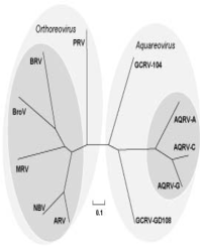
Grass carp reovirus, GCRV, belongs to the genus Aquareovirus (AQRV). It is the most virulent species of AQRV, and infection by GCRV causes hemorrhagic disease in grass carp. A new strain, GCRV-GD108, was found in China. Significant differences were found between GCRV-GD108 and GCRV as well as between GCRVGD108 and other known AQRVs. Moreover, similarities were found between GCRV-GD108 and Orthoreovirus (ORV), suggesting a closer evolutionary relationship between GCRV-GD108 and ORV than between GCRVGD108 and the known AQRVs. The discovery of different virus molecular types of GCRV indicates the importance of molecular diagnosis and the development of a specific vaccine. Vaccines have been developed that include inactivated tissue vaccines, inactivated cell vaccines, and attenuated viral vaccines. Great efforts have been made in recent years to investigate immunogen for the preparation of genetically engineered vaccines, which are expected to provide protection for the cultured grass carp.

Xing Ye*and Yuan-yuan Tian


Article Image 1

The Power of GPR for Predicting Liver Fibrosis and Cirrhosis May Be Affected By Different Scoring Systems of Liver Fibrosis in Patients with Chronic Hepatitis B

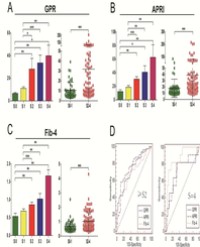
We read with interest the article by Maud Lemoine et al [1] recently published in Gut. They found that Gamma-Glutamyl Transpeptidase (GGT)-to-Platelet Ratio (GPR) may be acted as a simple, non-invasive and inexpensive alternative to liver biopsy and Fibro scan laboratory model in sub-Saharan Africa. The GPR was significantly better than Aspartate Transaminase-To-Platelet Ratio Index (APRI) [2] and Fib-4 (based on age, ALT, AST and platelet count) [3] in predicting liver extensive fibrosis (≥F2) and cirrhosis (≥F4) in patients with Chronic Hepatitis B (CHB) in the Gambia and Senegal, but not in France. So we hypothesized that the predictive efficiency of these 3 markers may be heterogeneous in different race.

Xueping Yu1,2, Jiming Zhang2* and Zhijun Su1*


Article Image 1

Vital Role of Phylogenetic Analysis as Evidence in Illegal Investigation of Virus Transmission

During recent years phylogenetic analysis has become progressively popular as a tool for the criminal investigation of viral transmission, where it is used to derive the ancestral relationships of viral infections from sampled genome sequences. It has been used to cases involving the transmission of the fast-evolving human immunodeficiency virus (HIV) [1], Hepatitis B Virus (HBV) [2,3], hepatitis E (HEV) [4] and for tracking viral transmission in animal field. For example, for the first time phylogenetic analysis determined that the source of viral disease in aquaculture [5,6,7]. Aspects of the transmission of these viruses are impressed on the genetic variation of genomes [8]. These data revealed information about the patterns of virus emergence, viral epidemiology and evolutionary dynamics [9,8]. Analysis of molecular phylogenetic relationships must be based on a domain with a suitable level of evolution for the issue under investigation. Evaluation of recent transmission events requires the analysis of fast-evolving regions, whereas older events must be studied by sequencing more stable regions [2]. This analysis investigates small difference in virus genome using computational methods to calculate the variation between strains of viruses. This process is a critical complex scientific process which undertaken by virologist. The result of phylogenetic analysis has recently applied in illegal trials as evidence of responsibility for virus transmission [10]. In these events, the expert analysis of virologist has been discovered to be of critical importance. In the other hand, these trials can be applied to acquit individuals and keep out the possibility that defendant was responsible for virus transmission [10,11,8]. It is important to note that molecular analysis cannot prove the transmission virus between two individual, but it can support any information on the direction of that transmission [10,1]. It is necessary for molecular phylogenetic analysis to use the right comparison samples, because inappropriate samples could overstate the relationship between two viruses (of different geographical origin) as being conspicuously unique. In addition, many viruses frequently recombine and cause further opportunity for genetic novelty viral transmission from data commonly based on phylogenetic analysis [8]. Also, models of virus transmission and early diversification are the most important result of phylogenetic study. For example, Zika virus emerged in Africa and now circulates on all inhabited continents [12,13]. In another study demonstrated that isolated Dengue virus type 1 strain from Indonesia has a close phylogenetic relationship with strains of Japan [14]. In the recent decade, phylogenetic studies have matured with focus on the human RNA viruses such as influenza virus, HIV, dengue virus and HCV [8-10,15]. However, there are wide ranges of viruses to which phylogenetic analysis are used [9,16-18]. This review shortly outlines the importance of phylogenic analysis for viral transmission with focus on virus origin and shows phylogenetic approach to identify ecological and biological of virus transmission.

Maryam Dadar*


Article Image 1

Serosurveillance of Foot-and-Mouth Disease in Ruminant Population of Karnataka, India

Foot-and-Mouth Disease (FMD) is endemic in India and three serotypes viz, O, A, and Asia-1are prevalent in the country. In the current study a total of 7923 serum samples were collected randomly from 4639 cattle, 1363 buffaloe, 1187 sheep and 734 goats from different districts of Karnataka state, India. The samples were screened for antibodies against Non-Structural Proteins (NSPs) and Structural Proteins (SPs) of FMD virus to gather evidence with respect to the FMD virus circulation. The study revealed NSP antibodies in 33% bovines and 16% small ruminants. Higher level of NSP antibodies was observed in cattle (35%), buffaloes (27%), goats (23%) and lower prevalence in sheep (12%).The antibodies against SP was observed in 78% bovines and 18% small ruminants. The study reiterates the importance of strengthening of FMD surveillance in small ruminants as they could pose a potential risk of virus transmission to cattle.

Raveendra Hegde1*, Madhusudan Hosamani2 , Sreevatsava V1 , Rashmi KM1 , Srikanth Kowalli1 , K Nagaraja1 , NK Dharanesha1 , CM Seema1 , GV Nagaraj1 , K Srikala1 , KJ Sudharshana1 , SheshaRao1 , Rajashekar B1 , P Giridhara1 , and SM Byregowda1


Article Image 1

Discovery and Roles of Virus-Encoded RNA Silencing Suppressors

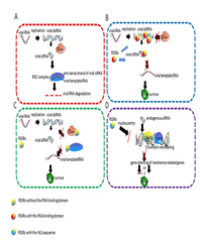
RNA silencing is a general surveillance system in plants and animals which could protect hosts from virus infection. However, many virus species survived by expressing a series of proteins named as RNA Silencing Suppressors (RSSRs) to counteract this defense system. This review elaborated the newly discovered RSSRs encoded by virus including the recently discovered polymerase slippage product and some newly-identified RSSRs in mammalian cells. This review will also provide a comprehensive understanding of the role of RSSRs during the virus infection, especially with regard to its newly identified function in epidemic modification in hosts.

Ma Lin*


Article Image 1

Zika and Its Preparedness in Nepalese Scenario

Zika virus came to known to public in 1947, when it was first isolated from a Rhesus monkey from Uganda [1-3]. Due to its unremitting spread in past decade, zika virus created havoc and gained its recognition as one of the prominent threat in public health across the globe [4-7]. In the March of 2015, Brazil confirmed its first zika infection. Following the zika cases, country had to face erupted increment in microcephaly cases [8]. In next nine month span, the cases of microcephaly increased from 150 cases to 400. After observing this trend, PAHO (Pan American Health Organization) issued an epidemiological alert on December 1st 2015, warning a suspected link between Zika and microcephaly [9].

Bishnu Prasad Upadhya1, Rajani Malla1, Krishna Das Manandhar1, Birendra Prasad Gupta2*, Anurag Adhikari2 , Ramanuj Rauniyar3, Chirik Shova Tamarkar4 , Bimlesh Kumar Jha5 and Roshan Kurmi6


Article Image 1

Long-Term Risk of Hepatocellular Carcinoma in Patients with Chronic Hepatitis B with Normal Alanine Aminotransferas

Background: The Alanine Aminotransferase (ALT) level is considered as a risk factor for the progression to liver cirrhosis and Hepatocellular Carcinoma (HCC) in patients infected with Hepatitis B Virus (HBV) and remains a subject of debate.

Methods: We prospectively compared the incidence of HCC between HBV infected patients with normal ALT and those with elevated ALT.

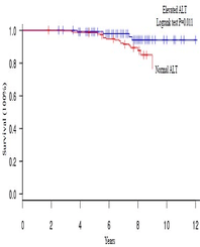
Result: A total of 378 HBV-infected patients (102 with normal ALT and 276 with elevated ALT) were included. The median follow-up period was 8.2 years. The incidence rates of HCC development were significantly lower in the normal ALT patients than in patients with elevated ALT (0.55 vs 2.20 per 100 person-years, P = 0.021, while the incidence rates of hepatic decompensation (0.43 vs 1.23 per 100 person-years) and survival (53.8% vs 47.4% at 10 years) did not significantly differ between the two groups (Kaplan-Meir analysis). The main causes of death were on-hepatic diseases in patients with normal ALT. Multivariate Cox analyses model revealed that the risk of HCC was lower in patients with normal ALT than in patients with elevated ALT (hazard ratio (HR), 0.28, Confidence intervals (CI) (0.14-0.78)), while the risk of hepatic decompensation and mortality was the same in the two groups of patients.

Conclusion: The risk for HCC and liver decompensation normal ALT was markedly reduced in HBV-patients with normal ALT. Aged patients with HBV with normal ALT should therefore maintain long-term surveillance for HCC. Future studies aimed to better identify those with remaining long-term risk for HCC are needed.

Blaise K Kutala1,2,3*, Emilie Estrabaud1 , Nathalie Boyer2,3, Corinne Castelnau³, Nathalie Giuily2,3, T Asselah1,3 and P Marcellin1,2,3


Article Image 1

LncRNA: A Rising Star in Virus-Host Cross-Talk during HIV-1 Infection

The Human Immunodeficiency Virus (HIV) is a retrovirus that has been aroused worldwide concern, due to its chronic and persistent infection, ultimately leading to a causal result of Acquired Immunodeficiency Syndrome (AIDS). Long noncoding RNAs (lncRNAs) are non-protein coding transcript longer than 200 Base Pairs (bp) and being considered to be key regulators that involved in various biological processes, such as chromatin modification, transcriptional regulation, post-transcriptional regulation, intracellular trafficking and etc. What deserves to be noticed is that lncRNAs are recently being reported to link with viruses closely, and lncRNAs are differentially expressed after a variety of virus infections, including HIV-1 infection. In this paper, we review the rapidly advancing field of lncRNAs, focus on the current progress of lncRNAs in HIV-1 infection, and briefly discuss their different roles in host gene regulation and viral replication during the establishment or maintenance of viral latency. Interestingly, lncRNAs may emerge as novel biomarkers of antiviral drugs and provide potential targets for new therapeutics of AIDS.

Liujun Chen1 , Shanshan Xu1 , Luoshiyuan Zuo3 , Song Han1,2, Jun Yin1,2, Biwen Peng1,2, Xiaohua He1,2 and Wanhong Liu1,2*


Article Image 1

Fungal Viruses: Promising Fundamental Research and Biological Control Agents of Fungi

Fungal viruses (mycoviruses) exist in all major groups of fungi. The primary focus of this review is viruses of filamentous fungi, especially plant pathogens, with emphasis on the molecular characterization of fungus-virus interactions. There are two main hypotheses about the origin of mycoviruses isolated from plant pathogenic fungi. The origin of these mycoviruses may be ancient but they may also have evolved from plant viruses. Many characterized mycoviruses are in unencapsidated dsRNA forms without any coat protein in fungi. Mycoviruses are efficiently spread in two ways, vertically by spore formation and horizontally via hyphal fusion. Replication cycle of RNA mycoviruses doesn’t have the extracellular route of infection under natural conditions. Typically, fungal infections cause no obvious phenotypic alterations. Although the interaction of mycoviruses and their host is largely limited, those aspects including the transcriptional profiling and RNA silencing are of help to understand the co-existence mechanism of virus and fungi. Mycoviruses are potential agents of biological control of important plant pathogenic fungi.

Shuangchao Wang1,2, Marc Ongena2 , Dewen Qiu1 and Lihua Guo1*