SM Journal of Nephrology and Kidney Diseases

Archive Articles

Article Image 1

Contribution and Characterization of Lassa fever in Severe Acute Kidney Injury (AKI) in Endemic Areas of Southern Nigeria: A Retrospective Observational Study

Background : Amongst the diverse etiologies of severe acute kidney injury (AKI), Lassa fever (LF) occupies a prominent position in endemic areas of West Africa. However, there is a paucity of studies that compare the characteristics of LF and non-LF-associated cases.
Objectives : To determine the contribution of LF to severe AKI in an endemic area, and compare the illness characteristics and factors associated with mortality in LF versus non-LF-associated AKI.
Methods : We reviewed the records of patients admitted with severe AKI from 1st January 2019 to 30th September 2022 at Irrua Specialist Teaching Hospital (ISTH), and retrieved data on patients’ demography, clinical presentation, treatment, and outcome. We compared the frequencies of categorical data and means of continuous data between patients with LF and those without LF using chi-square test, t-test,and Mann-Whitney U test as appropriate, with the level of statistical significance set at p <0.05.
Results : Fifty-four (41.5%) of 130 patients with severe AKI had LF. LF was associated with a significantly lower mean age (p = 0.013), platelet count (p = 0.010), and mean levels of indices of renal dysfunction (p = 0.02 - <0.001) but there was no significant difference in mortality rates (LF 27.8%; non-LF 39.5%; p = 0.1674). The overall mortality was associated with need for inotropes, requirement for supplemental oxygen, and hemodialysis, and length of admission while the association of mortality with the latter and need for supplemental oxygen was only significant among patients without LF.
Conclusions : LF is a major cause of severe AKI in endemic areas, but it is not associated with any differential risk of mortality perhaps because the associated renal dysfunction is not as severe as in non-LF AKI.

Mojeed O. Rafiu1,2*, Ndidi N. Akerele1 , Samuel A. Dada3 , Christian E. Erohubie1 , Sulaiman D. Ahmed1,2, Osahogie I. Edeawe4 , Yemihan N. Ogbetere5 , Johnbull M. Akerele6 , Adewale E. Adetunji7 , Sampson O. Owhin8 , Kingsley Osuji9 , Stephan Günther10, Chukwuemeka O. Azubike1,11, Peter O. Okokhere2 , and George O. Akpede7,12**
Article Image 1

Robot-Assisted Laparoscopic Bladder Neck Reconstruction with Retzius-Sparing Approach for the Treatment of 3 Cases of Refractory Bladder Neck Contracture

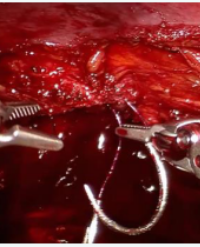
We present the preliminary outcomes of robotic-assisted surgical treatment for bladder neck contracture (BNC), using the innovative Robot-Assisted Laparoscopic Retzius-Sparing Bladder Neck Reconstruction (RAL-RSBNR), technique. Between August and October 2024, three adult male patients underwent RAL-RSBNR at our institution. All patients developed BNC following transurethral resection of the prostate (TURP), for benign prostatic hyperplasia (BPH), and had previously undergone multiple urethral dilation procedures. One patient had experienced recurrent TURP interventions. All RAL-RSBNR procedures were performed using a transperitoneal six-port approach with a four-arm robotic system. No significant intraoperative or postoperative complications were observed. At two weeks postoperatively, all three patients successfully had their catheters removed without notable voiding difficulties. Current literature identifies the RAYV technique as the predominant robotic-assisted approach for treating BNC. In contrast, our novel RAL-RSBNR technique addresses BNC at its root, effectively preventing recurrence often associated with endoscopic surgeries, while maintaining a favorable safety profile with no major complications. These preliminary results indicate that RAL-RSBNR holds significant potential as a promising option for BNC treatment. Nevertheless, given the short study period, further clinical data and extended follow-up are required to thoroughly evaluate the long-term outcomes and efficacy of RALRSBNR.

Yongsen Wu¹,², Dan Lu¹,², Jiannan Liu², Xiaoxiao Wang², Ying Xiang², and Wei Xiong2*


Article Image 1

Diuretic Plasma Concentration is not Related to Fall Risk in Older Adults

Diuretics are established fall-risk increasing drugs. However, not all diuretics users experience fall incidents. Due to interindividual
heterogeneity in older populations, it is difficult to identify which older adults are at highest risk of medication-related falls. Therefore, we assessed if diuretic plasma concentrations are associated with fall risk in users. We analyzed plasma samples of 307 hydrochlorothiazide and 110 furosemide users from a cohort of older community-dwelling adults. Cox proportional hazard and logistic regression models were used to analyze associations between diuretic concentration at baseline, changes over time and fall risk. There was no significant association between fall risk and plasma concentration of either hydrochlorothiazide or furosemide at baseline. Nor was a change in concentration over time associated with fall risk. Thus, diuretic plasma concentration is not associated with fall risk in older communitydwelling adults.

van Poelgeest EP1,2*, Ploegmakers KJ1,2, Seppala LJ1,2, van Dijk SC3, LCPGM de Groot4, Oliai Araghi S5,
van Schoor NM2,6, Stricker B5, Swart KMA7, Mathôt RAA8, and van der Velde N1,2


Article Image 1

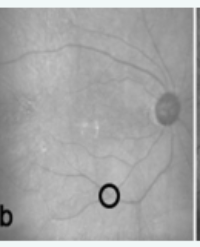
Association of Fundus Damage, Renal Function Deterioration, and Ferroptosis in Chronic Kidney Disease Patients

Introduction : This study aimed to explore the changes in ferroptosis markers and their relationship with fundus lesion severity in chronic kidney disease (CKD).

Methods : We enrolled 118 CKD patients and collected clinical, renal function, fundus imaging data, and ferroptosis markers. We performed correlation and regression analyses between renal dysfunction and fundus lesions, and assessed the changes and mediating roles of serum iron (Fe), malondialdehyde (MDA), and reduced glutathione (GSH) in CKD deterioration and retinal damage.

Results : Levels of Fe, MDA, and GSH showed significant differences across CKD stages (P<0.001). Logistic regression identified sex, mean arterial pressure, total cholesterol, hemoglobin, ferritin, Fe, MDA, and GSH as significant factors in CKD-related fundus lesions (P<0.05). MDA (β=0.15, 95%CI: 0.03–0.26) and GSH (β=0.33, 95%CI: 0.16–0.54) significantly mediated the link between renal decline and retinal damage (P≤0.001).

Conclusions : Early fundus screening is clinically valuable for managing CKD progression. Fundus damage severity in CKD closely tracks renal decline, with ferroptosis likely playing a key role. MDA and GSH are promising biomarkers for early detection and intervention in CKD-related retinal pathology.

Lingli Zenga1 and Min Tangb2*


Article Image 1

Article Image 1

Beyond Percutaneous Nephrolithotomy: Embracing Retrograde Intrarenal Surgery for Large Renal Stones: Prospective Randomized Study

Background: Retrograde intrarenal surgery (RIRS) and percutaneous nephrolithotomy (PCNL) are two common procedures used to treat large renal stones. This work aimed to evaluate the safety and efficacy of flexible ureterorenoscopy with laser lithotripsy (FURSL) in the management of large renal stones in comparison with the gold standard PCNL for the management of large renal stones 25 – 40 mm in size.

Methods: This prospective study was carried out on 100 patients who received RIRS or PCNL for renal stones with sizes ranging from 25 mm to 40 mm. The research was composed of two groups: the PCNL group (n= 50) and the FURSL group (n= 50). with exclusion of cases with anatomical abnormalities, cases with history of previous surgery patient with coagulopathy.

Results: The location of the stone was significantly varied among both groups (P value =0.006). Operative time was significantly higher in Group FURS than Group PCNL (P value <0.001) and hospital stay was significantly lower in Group FURSL than Group PCNL (P value <0.001). Complications (fever, colonic injury, stein Struss, haematuria, and bleeding) were insignificantly variant among both groups. The total number of patients who needed auxiliary procedure like 2nd session of FURSL were significantly higher in Group FURSL than in Group PCNL (P value <0.001). need for ESWL as auxiliary procedures were insignificantly variant among both groups.

Conclusion: Both FURS and PCNL have shown safety and efficacy in managing sizable renal stones. The selection between each technique should be individual according patient factors and urologist preference.

Haitham Mahmoud Shello1*, Mahmoud Gabril2, Abdelaziz Elhendawy2 and Adel Farahat3


Article Image 1

Identification and Functional Analysis of a Novel SLC12A3 Mutation in Japanese Gitelman Syndrome

Background: Gitelman syndrome (GS) is a rare autosomal recessive disorder caused by mutations in the SLC12A3 gene, which encodes the sodium-chloride (Na-Cl) cotransporter (NCC). GS is characterized by salt-losing tubulopathy, which leads to renal potassium loss, hypokalemia, metabolic alkalosis, hypocalciuria, hypomagnesemia, and hyperreninemic hyperaldosteronism. GS can increase the risk of developing type 2 diabetes mellitus.

Case presentation: We report the case of Japanese patient with GS who had suffered from hypokalemia for over a decade, and subsequently developed diabetes. The results of detailed biochemistry and diuretic stress tests suggested a diagnosis of GS.

Results: Genetic exome sequencing revealed both heterozygous c.835A>G (p.Met279Val) and homozygous c.791C>G (p.Ala264Gly) mutations in the SLC12A3 gene. Further in silico variant prediction and structural analyses revealed that the heterozygous c.835A>G (p.Met279Val) mutation in the SLC12A3 gene was the predominant pathogenic variant. Modeling and structural analyses suggested that this mutation contributes to the NCC salt-bridge conformation and leads to impaired Na-Cl transport.

Conclusion: We present a case of GS with a novel SLC12A3 gene mutation that has not been previously reported. Genetic testing and structural analysis are essential for the accurate diagnosis and understanding of the renal tubular pathology in GS.

Hiraku Chiba1, Yutaka Hasegawa1*, Yuichiro Kezuka2,3, Ai Chida1, Eriko Yoshida1, Toshie Segawa1, Tomoyasu Oda1, Yoshihiko Takahashi1, Takuya Noguchi4, Koji Nata4, and Yasushi Ishigaki1


Article Image 1

Impact of Urinary Incontinence on quality of Life of women in Pakistan: A Qualitative Analysis

Purpose: This study seeks to explore the lived experiences and viewpoints of individuals with Urinary Incontinence (UI) and evaluate how the condition affects their quality of life. Through comprehensive interviews, the research aims to identify the physical, emotional, and social effects of UI experienced by affected individuals. A particular emphasis is placed on gaining a deeper understanding of the cultural and contextual factors that may influence these experiences among Pakistani women. This research seeks to fill a gap in existing international questionnaires, which often overlook the religious aspects relevant to our cultural norms and spiritual context. The results will contribute to the development of a culturally sensitive and population-specific assessment tool.

Design: Qualitative study with content analysis.

Subjects and Setting: The study sample included 15 patients with a mean age of 35 years, diagnosed with urinary incontinence. All participants were recruited from the Urogynecology Clinics at Aga Khan University Hospital.

Methods: Fifteen audio recorded interviews were conducted. A qualitative content analysis using an inductive approach was conducted to organize and interpret the study’s findings.

Results: Six primary themes were identified, including (1) Impact on daily life activities (2) Impairment in religious practices (3) Influence on social and interpersonal relationships (4) Psychological impact (5) Coping mechanisms (6) Barriers to effective healthcare engagement.

Conclusions: The study results indicate that UI has a substantial impact on various aspects of women’s lives, affecting not only physical health but also emotional well-being, social engagement, daily activities, and religious practices. The study highlights that women utilize various coping strategies to manage their condition, yet encounter significant barriers in accessing effective healthcare services. These insights emphasize the importance of developing culturally appropriate assessment tools that incorporate religious aspects.

Nazish Baloch, Urooj Kashif, Anum Malik, Maria Ali Shah and Novera Chughtai1*


Article Image 1

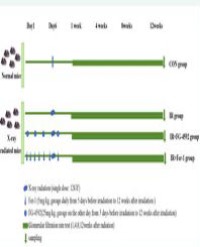
HIF-1 Prolyl Hydroxylase Inhibitors Attenuate X-Ray-Induced Radiation Nephropathy through Improving Ferroptosis

Radiation nephropathy is the damage to the renal parenchyma and blood vessels caused by ionizing radiation, and its mechanism of injury involves oxidative stress, DNA damage, cellular senescence, and other processes, among which oxidative stress plays an obvious role. In the case of excessive accumulation of oxidative stress products, it can lead to lipid peroxidation and iron distribution abnormalities caused by ferroptosis; the latter is involved in a variety of pathophysiological processes, while currently there is no role in radiation nephropathy. The present study sought to investigate the role of ferroptosis in radiation nephropathy, and the mechanism of FG-4592 in relieviating radiation nephropathy, C57BL/6 mice and TCMK-1 cell are separately irradiated with 12GY, 10GY X-ray to construct radiation nephropathy models in vivo and in vitro. Compared with the control group, X-rays promoted the occurrence of lipid peroxidation and ferroptosis, and oxidative stress and lipid peroxidation products were increased and antioxidant products were decreased in the X-rays-induced radionephropathy model; intervention in ferroptosis could alleviate radiation nephropathy, and FG-4592 could regulate lipid metabolism and oxidative reactions to ameliorate feroptosis and attenuate kidney injury through the modulation of HIF activity. In conclusion, in this study, transcriptome analysis was utilized to screen out the pathways involved in the regulation of radiation nephropathy, which provided the basis for the subsequent study of drug intervention in radioactive kidney injury. And FG-4592 had a certain anti-radiation effect in this experiment, which had a protective effect in radiation nephropathy. This study provides new ideas for the development of novel low toxicity, effective radiation-resistant agents.

Xingli Leng1,2, Peng Yao3, Lin Deng4, Yinyuan Du1, Xia Feng5, Minglin Liu6, and Shaoqing Wang2,7*


Article Image 1

Improved Outcomes Following Simultaneous Pancreas-Kidney Transplantation in the Second Decade of the New Millennium

Introduction: The study purpose was to analyze in consecutive periods our nearly 19-year experience in simultaneous pancreas-kidney transplantation (SPKT) with an emphasis on changes in practice that improved outcomes in the most recent era.

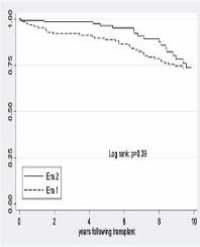
Methods: Single center retrospective cohort study of all SPKTs performed in two sequential eras: Era 1 (E1): 11/1/2001 – 12/31/2010; Era 2 (E2) 1/1/2011 - 8/12/20). Immunosuppression and management protocols were standardized in both eras.

Results: 255 consecutive SPKTs were analyzed (E1, n=126; E2, n=129). By design, E2 patients received organs from younger donors (mean E1 28.1 vs. E2 23.7 years) with shorter pancreas cold ischemia times (CITs, mean E1 16.8 vs. E2 13.4 hours, both p<0.05). In addition, donors with either hypertension or cerebrovascular cause of death were more common in E1 compared to E2 (both p<0.05). More E2 patients received alemtuzumab induction (52.4% E1 vs 97.7% E2, p<0.0001). One-year pancreas graft survival rates (PGSRs, 84.9% Era 1 versus 94.6% Era 2, p=0.02) and four-year PGSRs (70.6% E1 versus 85.5% E2, p=0.002) were significantly higher in E2 and by Kaplan-Meier analysis. In univariate analysis, alemtuzumab induction and E2 were associated with superior and longer pancreas CIT with inferior death-censored PGSRs. Only alemtuzumab induction had a significant (protective) effect on censored PGSR in the multivariate model.

Conclusions: In our experience, optimizing donor quality (younger donors without hypertension or cerebrovascular cause of death), minimizing pancreas CIT, and use of alemtuzumab induction are associated with improved outcomes following SPKT.

Abbreviations

BMI: Body Mass Index; CIT: Cold Ischemia Time; CMV: Cytomegalovirus; DWFG: Death with a Functioning Graft; GSR: Graft Survival Rate; HR: Hazard Ratio; P-E: Portal-Enteric; PTx: Pancreas Transplant; RATG: Rabbit Anti-Thymocyte Globulin; S-E: Systemic-Enteric; SPKT: Simultaneous Pancreas-Kidney Transplant; US: United States

Christopher J. Webb1, Colleen L. Jay1, Emily McCracken1, Matthew Garner1, Jigish Vyas1, Alan C. Farney1, Giuseppe Orlando1, Amber Reeves-Daniel2, Alejandra Mena-Gutierrez2, Natalia Sakhovskaya2, Robert J. Stratta1*