Research Article | Volume 5 - Issue 1 | Article DOI :
Download PDF
Yosra Ben Cheikh1*, Benoit Xuereb1, Céline Boulangé-Lecomte1, Gwendal Restoux2, Aurélie Duflot1 and Frank Le Foll1
1Department of Laboratory of Ecotoxicology- Aquatic Environments, University of Le Havre, France
2Department of AgroParisTech-INRA, Génétique animale et biologie intégrative, France
Corresponding Author:
Yosra Ben Cheikh, Department of Laboratory of Ecotoxicology- Aquatic Environments, UMR-I 02, SEBIO, University of Le Havre, F-76063, Le Havre cedex, France
Keywords
Aquatic Invertebrates; Contaminants; Multixenobiotic Resistance; Seasonal variation
Abstract
The MXR (MultiXenobiotic Resistance) phenotype in aquatic organisms is recognized as a biomarker of exposure to contaminants. Previous studies have provided evidence that P-glycoprotein is inducible by organic xenobiotics and overexpressed in mussels from degraded areas. However, seasonal changes in transcript levels at contaminated sites has not been described previously. In this study, tissue-specific gene expression of three ABC transporters was co-analyzed in hemocytes and gills of Mytilus edulis. First, laboratory experiments were conducted under controlled static conditions. An acute short exposure to benzo[a]pyrene showed a modulation of abcb-, abcc- and abcg2-like gene expression with an upregulation in gills and a downregulation in hemocytes. The field study confirmed the trend observed in the laboratory. Abcb- and abcg2-like mRNAs were less abundant in hemocytes originating from the more impacted site by comparison to the reference area. In gills, abcb-like was more expressed in the contaminated mussel group. However, abc gene expression was unstable over sampling seasons. Furthermore, seasonal effects interact with site effects leading even to inversion or to convergence of transcript levels. Only the abcb-like gene displayed more abundant mRNAs levels in gills dissected from animals collected in the more polluted area all over the diachronic study. Taken together, our results confirm the adequacy of abcb-like gene expression in mussel gills as a biomarker of xenobiotic exposure in the field.
Citation
Cheikh YB, Xuereb B, Boulangé-Lecomte C, Restoux G, Duflot A, et al. (2023) Regulation of Multixenobiotic Resistance (MXR) Genes in Gills and Hemocytes of Mytilus edulis: Effects of Contaminants and Season. Int J Fisheries Sci Res 5: 9.
Introduction
Contaminants are defined as “substances or groups of substances that are toxic, persistent and liable to bio-accumulate” according to the European Water Framework Directive 2000/60/ EC. Contamination by complex toxicant mixtures are constantly reported from marine waters surveys and studies dedicated to chemical impregnation of coastal biota [1,2]. The European marine and coastal policy aims to achieve good environmental status, especially by maintaining contaminants at concentrations not triggering biological effects (Marine Strategy Framework Directive 2008/56/EC, descriptor 8). To meet this objective, plans of environmental management may monitor early warning indicators specific to pretoxic manifestations of xenobiotics in sentinel species [3]. These preliminary adaptive responses involve the regulation of various genes to anticipate further disruptive action of toxicants and therefore can be detected at the molecular level.
Among the biomarkers of exposure, recognized as promising methods for monitoring water pollution, is the mussel MultiXenobiotic Resistance (MXR) phenotype (“Report of the ICES/OSPAR Workshop on Assessment Criteria for Biological Effects Measurements (WKIMC)). The MXR system, also called phase 0/III, is a primary cell detoxification mechanism mediated by membrane ATP Binding Cassette (ABC) efflux proteins [4]. These active transporters defend organisms against a variety of chemical toxicants and metabolites by preventing their accumulation in cells. Members of the ABC transporter family are widespread within living organisms, from bacteria to humans [5]. The MXR system is relatively well documented in aquatic species [6,4], especially in freshwater and marine bivalves where it was first described [7-9]. In mussels, transcripts and efflux activities of different ABC transporters have been identified from various tissues, including ABCB/P-glycoprotein, ABCC/Multidrug Resistance Protein [10-15] and recently ABCG2/Breast Cancer Resistance Protein [16] subtypes.
In addition to providing a broad spectrum cell chemical protection, the MXR phenotype is also known to be induced by a large set of xenobiotics including biocides [17,7,18] polycyclic aromatic hydrocarbon [19] and metals [10], leading de facto to an increase of cross resistance toward toxicants. In bivalves, abcb- as well as abcc-like mRNA levels, protein expressions or transport activities have been explored in studies based on natural field populations [20], transplantation experiments [21] and laboratory exposures [10,22]. If limited data are yet available for ABCG2-like transporter subtype, induction of protein expression by biocides have been reported [7,18].
Regarding all of these particular characteristics, the MXR system can be proposed as a biomarker of choice for an integrated biomonitoring of organisms exposure to environmental contamination. However, expression of ABC transporters in adult mussels has been reported to be additionally modulated by several confounding biological and physico-chemical parameters, independently of the pollution status of the environment. At various levels of the MXR system, i.e. mRNA, proteins or activity, variations are described according to tissues, temperature, salinity, dissolved oxygen, season and possibly to nutritional state or reproductive cycle [23,10,24-26]. Thus, interference of abiotic and biotic factors with biological responses may form a limit restricting the production of conclusive data and the standardization of analytical procedures.
The objective of the present work was to investigate by qPCR the potential use of genes encoding MXR related proteins as biomarker of environmental exposure to pollutants. The study of transcription level is fundamental to understand the functioning of MXR system since mRNAs correspond to the first stage of protein regulation. Furthermore, molecular tools deliver additional information for the target phenotype, here in the relative variations of abundance of three abc-like mRNAs in tissues. QPCR is currently the unique way to obtain this information for MXR efflux effectors in Mytilus edulis, considering the lack of specific antibody and pharmacology restrains the distinction between ABC transporter subfamilies on the basis of protein expression or efflux activities.
In this study, variations in the transcription of abcb-, abcc- and abcg2-like were co-analyzed for the first time in the hemocytes and gills of Mytilus edulis. In order to evaluate the response of M. edulis MXR system in front of a single environmental pollutant, we performed firstly a short time acute exposure to benzo[a] pyrene under static controlled conditions in vivo. Among contaminants, this polycyclic aromatic hydrocarbon was chosen because it has been detected at high concentration in mussel tissues in Normandy [27]. Then, on the basis of the laboratory experiments, a diachronic field monitoring was carried out from two differentially polluted sites in Normandy (France) at different seasons.
Material and methods
Animals and sampling sites
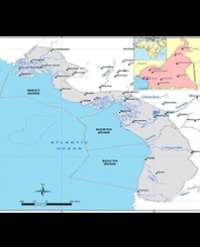
The coastal marine environment of Villerville is located on borders of the Seine Estuary, a highly contaminated area. The Seine River has heavily contaminated water and sediment bodies originating from agricultural runoff, major cities waste water sewage (Paris, Rouen, Le Havre) and inputs from several industrial and petrochemical plants as well. The French marine environment monitoring network (Réseau d’Observation de la Contamination Chimique du littoral, ROCCH) managed by the Ministry of Environment, quantifies chemical contaminants in mussel tissues. Data presented in Figure 1B are available online at http://www.ifremer.fr/envlit/, a website dedicated to coastal environment operated by IFREMER (Institut Français de Recherche pour l’Exploitation de la MER), and indicate mussel tissues contamination levels with various polychlorobiphenyl (PCB) and polycyclic aromatic hydrocarbons (PAH), over periods covering 2012 to 2014, from sampling stations corresponding the rocky shore of Yport and Villerville. In our study, the intertidal rocky shore of Yport was chosen as the reference site because the lower chemical contamination.
Adult mussels, M. edulis with shell length ranging from 4 to 6 cm, were collected from the intertidal rocky shore of Yport or from the mouth of the Seine River at Villerville (Figure 1A) during February, April, September and December 2014.

Figure 1
Animals were directly transported to the laboratory for immediate tissues sampling.
Mussel exposure to benzo[a]pyrene
After a seven days depuration period in UV-treated and filtered seawater, 60 mussels sampled from the reference site Yport during February 2016, were exposed to 5 mg/L of benzo[a] pyrene BaP (dissolved in Dimethyl sulfoxide) for 24 hours or to seawater as a control group. During the experiment, animals were maintained in tanks filled with 2L with filtered sterile seawater (FSSW) under static conditions at 16°C with aeration. No mortalities were observed for all groups during exposure.
Tissue collection
Hemolymph was withdrawn from the posterior adductor muscle sinus, by gentle aspiration with a 1 mL syringe equipped with a 22 G needle. Hemocyte samples consisted in five replicates per condition (field study or laboratory exposed). For each replicate, hemolymph withdrawn from 10 mussels was pooled and centrifuged 5 min at 1200 g and supernatant was aspirated. For gills, 10 animals were dissected and tissues were gently removed individually. Samples were frozen in liquid nitrogen and stored at -80°C until use.
RNA extraction and cDNA synthesis
Total RNA was isolated from hemocytes or from gills using RNeasy mini kit (Qiagen) according to the manufacture’s recommendations. RNA suspensions were treated with DNase (Turbo DNA free kit, Ambion) for genomic DNA removal. Total RNA concentration was analyzed by spectrophotometry (Nanodrop, Thermo Scientific). RNA integrity was checked by electrophoresis on 1% agarose gel with SYBR staining (SYBR Safe DNA gel stain, Invitrogen). Reverse transcription was carried out from total RNA (1 μg) using M-MLV RNAse H minus (100 U, Promega) and oligo (dT)20 (1 µg) in the presence of Recombinant RNasin® Ribonuclease Inhibitor (80 U, Promega). Complementary first-strand DNA (cDNA, 40 μL) were diluted in 60 μL of ultra-pure water and stored in 5 μL aliquots at -20°C until use.
qRT-PCR analysis
Quantitative real-time polymerase chain reaction (qPCR) analysis was conducted on the Rotor-Gene Q 2- plex HRM (Qiagen) using the QuantiTect® SYBR® Green Master Mix (2X, Qiagen). Each reaction was run in duplicate with a final volume of 20 μL containing 5 μL cDNA and 0.5 µM of each primer. Specific qPCR primers for abcb-like, abcc-like, abcg2-like and the Elongation factor ef1α were designed using ProbeFinder software (https://lifescience.roche.com/, (Table 1). Ef1α was chosen as housekeeping gene because of its stability from different experimental conditions [28].
Table 1: Primers used in qPCR expression analysis.
| Gene |
Accession number |
Fw 5’-3’ |
Rev 5’-3’ |
Annealing (Tm °C) |
Efficiency |
Amplicon size |
| ef1α |
AF063420.1 |
CCGTAGAAATGCACCACGA |
TTGAAACCAACATTGTCTCCTG |
60 |
2 |
61 pb |
| abcb |
AF159717.1 |
TGATCAGAGACCCAAGAATCC |
TGCCTTTTCTAGAGCTTCCTGT |
59 |
2.05 |
95 pb |
| abcc |
AF397143.1 |
CCACCGCTGCTGTAGATTTAG |
GCGCTATAGTTAGAACAGTGCAGTC |
59 |
1.94 |
90 pb |
| abcg2 |
KX551963 |
TGTGCTATTTTTAGATGAACCAACA |
TCCTTCCTTTTAATGCTAATCTTCTC |
59 |
1.84 |
95 pb |
Reactions were initiated with a denaturation step for 15 min at 95°C followed by 45 cycles at 94°C for 15 s, 59°C for 30 s and 72°C for 6s. The melting curve was finally determined during a slow temperature elevation from 60 to 95°C (1°C/s). Each run included blank controls (water).
To obtain qPCR efficiencies of each primer pair used, standard curves were generated using eight serial dilutions of cDNA (from 109 to 101 copies) [29]. The expression levels of the target genes, normalized to the ef1α housekeeping gene, was then calculated using the (1+efficiency)−ΔCt formula. The modulation of mRNA transcription upon 24 h exposure to BaP was measured using the ΔΔCt method according to Pfaffl [39]. Data are presented as fold increase in expression of the target genes (abcb-, abcc- and abcg2-like) with respect to controls.
Statistical analysis
The normalized expressions of target genes (abcb-, abcc- and abcg2-like) were all treated the same way. Data were first transformed through a logit function. Transformed observations were then analyzed using a fixed effect linear model accounting for the date (February, April, September or December), the location (Villerville or Yport), the “tissue” (gills or hemocytes) and their interactions up to the second order as follow, logit (Δctijk) = μ + Sitei + Organj + Monthk + Sitei × Organj + Sitei × Monthk + Organj × Monthk + εijk , with the residuals defined as εijk ∼ N(0,σijk ) and µ the general mean (i.e. the intercept). These computations were conducted using R 3.3.1 [40]. Results were finally compared using adjusted means (i.e. least squares means) computed with the “lsmeans” R package. We applied corrections for multiple testing in order to adjust the level of significance. The subsequent linear predictions (with 95% confidence intervals) were then graphically presented in interaction plots using the “ggplot2” R package.
Results
Effect of BaP exposure on abc gene expression
The expression of ABC transporters genes was investigated in Mytilus edulis hemocytes and gills after 24h exposure to BaP 5 mg/L. Firstly, the variation of normalized transcript levels in control and exposed groups was plotted according to the box and whiskers representation. Then, the relative expression of each gene after exposure to contaminant was determined.
In hemocytes, the abundance variability was disparate amongst the abc genes considered (Figure 2).

Figure 2
Abcb- and in some respect abcg2-like genes exhibited a narrow range of expression levels in both control and exposed mussels (Figure 2A, Figure 2C). In contrast, abcc-like transcript levels appeared more dispersed especially in non-exposed animals (Figure 2B). Exposure to BaP caused a marked downregulation of all abc gene expressions relatively to controls (Figure 2D).
In gills, abcb-like transcripts displayed the largest dispersion of expression levels in control mussels (Figure 3A) while values for abcc- and abcg2-like genes were more homogenous (Figure 3B,C).

Figure 3
However, when exposed to the contaminant, abcc- and abcg2-like transcript levels were more scattered specially abcc gene. Animal exposure to BaP induced an upregulation of the three abc gene expression at different degrees (Figure 3D). Changes were relatively moderate for the abcb- (1.2 folds) and abcg2- (1.95 folds) transcripts and obviously more pronounced for abcc-like gene (15.4 folds).
Seasonal abc gene expression in the field population
ABC transporter gene expression was evaluated in field populations of mussels sampled from two sites differentially impacted by chemical pollutants at different periods of the year (Figure 4,5).

Figure 4

Figure 5
In hemocytes, transcripts levels of abcb-, abcc- and abcg2-like MXR transporters fluctuated significantly during the sampling periods (Figure 4). Altogether, the highest gene expression level was observed in February for the three transporters, excepting for abcg2- specifically in samples from Yport (highest level in April). Then, the transcript levels decreased in April and September and increased in December. Only abcc-like transcripts analyzed from Villerville mussels decreased continuously until the last month. Moreover, abcb-and abcg2-like transcripts initially similar in both sites in February were then more abundant in Yport the rest of the year (significant data for abcg2-like). In contrast, the abcc- gene was more expressed in Villerville hemocytes during April and September (no significant data) and similar at the other seasons.
Similarly to what obtained in hemocytes, abc gene expression in gills was higher at the beginning of the year and then continuously decreased (Figure 5). In contrast, the peak of abcg2-like expression in samples from Yport was observed in April. Interestingly, the abcb-like gene was significantly more expressed in mussel gills originating from the polluted site over all seasons. In this respect, no differences were noted for the abcc-like transporter. The abcg2-like gene expression level was less stable, being initially higher in Villerville and lower the rest of the year.
When averaging over all seasons, abcg2-like expression in hemocytes was significantly higher in Yport than in Villerville. Similarly, after averaging over the four sampling dates for gills, only abcb-like expression was significantly higher in Villerville. No other significant season-averaged difference was detected for other combination of genes by tissue.
Discussion
This work reports the evaluation of one component of the MXR phenotype in Mytilus edulis, the abundance of gene transcripts in tissues, as a biomarker of exposure to water pollution. Using specific qPCR primers, we have co-analyzed for the first time the expression level of genes corresponding to ABCB/P-glycoprotein-, ABCC/Multidrug Resistance associated Protein- and ABCG2/Breast Cancer Resistance Protein-like products in hemocytes and gills of mussels obtained from collection sites with contrasted contamination status and at different seasons of the year 2014. Qualitatively, all three of these transcripts encoding MXR efflux proteins were found in both tissues of animals from less (Yport) and more polluted (Villerville) areas. Quantitatively, the abundance of transcripts appeared sometimes variable from sample to sample and according to the origin of the tissues.
Laboratory experiments
To investigate the modulation of ABC transporter gene expression by xenobiotics, animals were exposed to BaP at 5 mg/L in the laboratory under static controlled conditions. Even if the used concentration in our study is not environmental realistic, the short time acute exposure allowed to have a rapid response without altering animal viability. Indeed, 24 h BaP exposure provoked an upregulation of abcb-, abcc- and abcg2-like in mussel gills and a downregulation in hemocytes.
Some studies described the ability of this contaminant to regulate abc gene expression in aquatic organisms. Ferreira et al. [30], reported that abcc1 and abcc2 transcript increase dose dependently upon 24 h exposure to BaP levels in European seabass hepatocytes. Similarly, in the presence of BaP, abcc2 and abcg2 mRNAs have been shown to be upregulated in Nile tilapia gills and in the liver and proximal intestine, respectively [31]. Similar responses were observed with bivalve ABC transporters. For example, P-gp gene expression was induced in gills of Dreissena polymorpha [32] and Mytilus edulis [19]. In our experiments and in accordance with these findings, the induction observed in the gills confirms the adequacy of ABC transporter gene expression measurement as a tool to evaluate PAH exposure. Among the monitored transcripts however, quantification of abcc-like mRNAs seems less indicative because of the large variation of transcription levels from sample to sample, after exposure to BaP.
Opposite responses were observed in hemocytes, where all three transporters were downregulated after BaP exposure. Available data concerning abc gene regulation by chemicals in bivalve hemocytes are rather limited. Nevertheless and in a good agreement with our observations, downregulations of abcb-like expression in Mytilus hemocytes exposed to toxic compounds have been reported for cadmium [10] and for fluoxetine [33]. Hence, pollutant-induced variations of abc mRNA levels appear to differ amongst tissues. Such discrepancies may be accounted for by distinctive physiological roles of those transporters and consequently a possible involvement of particular signaling pathways. Many studies discussed the capacity of BaP to alter functions of blood cells in invertebrates [34-36]. Interestingly, Franzellitti and Fabbri [33] established a correlation between the downregulation of P-gp gene, c-AMP levels and the protein kinase (PKA) activity in hemocytes of Mytilus galloprovincialis exposed to fluoxetine. Therefore, it can be hypothesized that the control of abcb-, abcc- and abcg2-like expression in hemocytes and gills relies on distinct regulatory mechanisms. However, the present knowledge of involved mechanisms remains scarce and need further studies.
Field experiments
In our field study, abc transcripts showed fluctuations over time amongst sampling sites in both tissues. In hemocytes originating from the polluted site, abcb- and abcg2-like mRNAs were less abundant by comparison to the reference area. In gills, abcb-like was more expressed in the contaminated mussel group. Taken together, these trends correspond to the pattern obtained from laboratory exposure to BaP. However, abc gene expression was unstable over sampling seasons. Seasonal effects interact with site effects leading even to inversion or to convergence of expression levels. To explain these fluctuations, an influence of water temperature on the MXR phenotype in mussels can be evoked as suggested by previous works. For example, in the field, a positive correlation between environmental water warming and protein expression in Mytilus galloprovincialis [26], Dreisseina polymorpha [20] and Crassostrea virginica [24,37] was pointed out. By contrast, in laboratory conditions, Tutundjian and Minier [38] rejected the interference of temperature with MXR expression in zebra mussels. It should be additionally noted that according to regional meteo-climatic conditions, the presence and distribution of xenobiotics within environmental compartments can considerably vary. Intense precipitations resulted for instance in particle resuspension, increasing the bioavailability of contaminants for filter feeders. Consequently, the highest level of transcript observed in February could be related to a higher amount of contaminants. In warmer periods appearance of large amount of algal toxins may also regulate ABC transporter expression. In this respect, Buratti et al. [23] have reported a downregulation of p-gp and mrp2 genes in mussels exposed to the paralytic shellfish toxin (PST). Detailed lifehistory traits of individual mussels are necessary to decipher the causality of ABC transporter gene expression. Noticeably however, the abcb-like gene was measured as overexpressed in gills originating from Villerville all over the four sampling periods.
Conclusion
This study evaluates the use of ABC transporters gene expression measurements in the blue mussel as a potential biomarker of exposure to water contaminants. Laboratory experiments indicate that a short term BaP exposure modulates abc gene transcript levels with an upregulation in gills and a downregulation in hemocytes. Our field study confirms the trend observed in the laboratory. Furthermore, it reveals strong interactions between abc transcript levels, seasonal variability and site pollution. Only the abcb-like gene displayed more abundant mRNAs levels in gills dissected from animals collected in the more polluted area all over the study. Therefore, abcb-like gene expression could be considered as site-specific, less subjected to non-pollutant influence and more indicated for biomonitoring applications. The present work also confirms the importance of considering the role of confounding factors in biomarker studies. Further investigations are needed to understand how abiotic factors can interfere with abc gene expression in the mussel.
Acknowledgements
This work received fundings from the State/Region Plan Contract (CPER) allocated through the Research Federation FR CNRS 3730 SCALE (Sciences Appliquées à L’Environnement), from the project IPOC supported by the Agence Nationale de la Recherche “Interactions between POllution and Climate changes: development of improved monitoring strategy” project (ANR-12-ISV7-0004) and from the GIP Seine-Aval project Ecotones. Yosra Ben Cheikh was a recipient for a Ph.D. grant from the Conseil Regional de Haute-Normandie.
References
1. Kasiotis KM, Emmanouil C, Anastasiadou P, Papadi-Psyllou A, Papadopoulos A, Okay O, et al. Organic pollution and its effects in the marine mussel Mytilus galloprovincialis in Eastern Mediterranean coasts. Chemosphere. 2015; 119 Suppl: S145-152.
2. Tappin AD, Millward GE. The English Channel: Contamination status of its transitional and coastal waters. Mar Pollut Bull. 2015; 95: 529-550.
3. Forbes VE, Palmqvist A, Bach L. The use and misuse of biomarkers in ecotoxicology. Environ Toxicol Chem. 2006; 25: 272-280.
4. Ferreira M, Costa J, Reis-Henriques MA. ABC transporters in fish species: a review. Front Physiol. 2014a; 5: 266.
5. Higgins CF. ABC transporters: from microorganisms to man. Annu Rev Cell Biol. 1992; 8: 67-113.
6. Bard S M. Multixenobiotic resistance as a cellular defense mechanism in aquatic organisms. Aquat. Toxicol. 2000; 48, 357-389.
7. Kingtong S, Chitramvong Y, Janvilisri T. ATP-binding cassette multidrug transporters in Indian-rock oyster Saccostrea forskali and their role in the export of an environmental organic pollutant tributyltin. Aquat Toxicol. 2007; 85: 124-132.
8. Kurelec B, Pivcević B. Distinct glutathione-dependent enzyme activities and a verapamil-sensitive binding of xenobiotics in a fresh-water mussel Anodonta cygnea. Biochem Biophys Res Commun. 1989; 164: 934-940.
9. Smital T, Sauerborn R, Pivcević B, Krca S, Kurelec B. Interspecies differences in P-glycoprotein mediated activity of multixenobiotic resistance mechanism in several marine and freshwater invertebrates. Comp Biochem Physiol C Toxicol Pharmacol. 2000; 126: 175-186.
10. Della Torre C, Bocci E, Focardi S.E, Corsi I. Differential ABCB and ABCC gene expression and efflux activities in gills and hemocytes of Mytilus galloprovincialis and their involvement in cadmium response. Mar. Environ. Res. 2014; 93, 56-63.
11. Faria M, Navarro A, Luckenbach T, Piña B, Barata C. Characterization of the multixenobiotic resistance (MXR) mechanism in embryos and larvae of the zebra mussel (Dreissena polymorpha) and studies on its role in tolerance to single and mixture combinations of toxicants. Aquat Toxicol. 2011; 101: 78-87.
12. Luckenbach T, Epel D. ABCB- and ABCC-type transporters confer multixenobiotic resistance and form an environment-tissue barrier in bivalve gills. Am J Physiol Regul Integr Comp Physiol. 2008; 294: R1919-1929.
13. Luedeking A, Van Noorden Cornelis JF, Koehler A. Identification and characterisation of a multidrug resistance-related protein mRNA in the blue mussel Mytilus edulis. Mar Ecol Prog Ser. 2005; 286: 167-175.
14. Marin M, Legros H, Poret A, Leboulenger F, Le Foll F. Cell responses to xenobiotics: comparison of MCF7 multi-drug- and mussel blood cell multi-xenobiotic-defense mechanisms. Mar Environ Res. 2004; 58: 209-213.
15. Rioult D, Pasquier J, Boulangé-Lecomte C, Poret A, Abbas I, Marin M, et al. The multi-xenobiotic resistance (MXR) efflux activity in hemocytes of Mytilus edulis is mediated by an ATP binding cassette transporter of class C (ABCC) principally inducible in eosinophilic granulocytes. Aquat Toxicol. 2014; 153: 98-109.
16. Ben Cheikh Y, Xuereb B, Boulangé-Lecomte C, Le Foll F. Multixenobiotic resistance in Mytilus edulis: molecular and functional characterization of an ABCG2- type transporter in hemocytes and gills. Aquatic Toxicology. 2018; 195: 88-96.
17. Eufemia N, Epel D. Induction of the multixenobiotic defense mechanism (MXR), P-glycoprotein, in the mussel Mytilus californianus as a general cellular response to environmental stresses. Aquat Toxicol. 2000; 49: 89-100.
18. Oliveira IB, Groh KJ, Stadnicka Michalak J, Schönenberger R, Beiras R, Barroso CM, et al. Tralopyril bioconcentration and effects on the gill proteome of the Mediterranean mussel Mytilus galloprovincialis. Aquat Toxicol. 2016; 177: 198-210.
19. Prevodnik A, Lilja K, Bollner T. Benzo[a]pyrene up-regulates the expression of the proliferating cell nuclear antigen (PCNA) and multixenobiotic resistance polyglycoprotein (P-gp) in Baltic Sea blue mussels (Mytilus edulis L.). Comp Biochem Physiol C Toxicol Pharmacol. 2007; 145, 265-274.
20. Minier C, Abarnou A, Jaouen Madoulet A, Le Guellec AM, Tutundjian R, Bocquené G, et al. A pollution-monitoring pilot study involving contaminant and biomarker measurements in the Seine Estuary, France, using zebra mussels (Dreissena polymorpha). Environ Toxicol Chem. 2006; 25: 112-119.
21. Achard M, Baudrimont M, Boudou A, Bourdineaud J P. Induction of a multixenobiotic resistance protein (MXR) in the Asiatic clam Corbicula fluminea after heavy metals exposure. Aquat Toxicol. 2004; 67, 347-357.
22. Smital T, Sauerborn R, Hackenberger BK. Inducibility of the P-glycoprotein transport activity in the marine mussel Mytilus galloprovincialis and the freshwater mussel Dreissena polymorpha. Aquat Toxicol. 2003; 65: 443-465.
23. Buratti S, Franzellitti S, Poletti R, Ceredi A, Montanari G, Capuzzo A, Fabbri E. Bioaccumulation of algal toxins and changes in physiological parameters in Mediterranean mussels from the North Adriatic Sea (Italy). Environ Toxicol. 2013; 28: 451-470.
24. Keppler C, Ringwood AH. Expression of P-glycoprotein in the gills of oysters, Crassostrea virginica: seasonal and pollutant related effects. Aquat Toxicol. 2001a; 54: 195-204.
25. Luckenbach T, Corsi I, Epel D. Fatal attraction: synthetic musk fragrances compromise multixenobiotic defense systems in mussels. Mar Environ Res. 2004; 58: 215-219.
26. Minier C, Borghi V, Moore MN, Porte C. Seasonal variation of MXR and stress proteins in the common mussel, Mytilus galloprovincialis. Aquat Toxicol. 2000; 50: 167-176.
27. Abarnou A, Duchemin J. Distribution et devenir de contaminants persistants dans les écosystèmes littoraux. Comparaison Manche ouest-Manche est. 2005.
28. Lacroix C, Coquillé V, Guyomarch J, Auffret M, Moraga D. A selection of reference genes and early-warning mRNA biomarkers for environmental monitoring using Mytilus spp. as sentinel species. Mar Pollut Bull. 2014; 86: 304-313.
29. Xuereb B, Forget-Leray J, Souissi S, Glippa O, Devreker D, Lesueur T, et al. Molecular characterization and mRNA expression of grp78 and hsp90A in the estuarine copepod Eurytemora affinis. Cell Stress Chaperones. 2012; 17: 457-472.
30. Ferreira M, Santos P, Rey-Salgueiro L, Zaja R, Reis-Henriques MA, Smital T, et al. The first demonstration of CYP1A and the ABC protein(s) gene expression and activity in European seabass (Dicentrarchus labrax) primary hepatocytes. Chemosphere. 2014b; 100: 152-159.
31. Costa J, Reis-Henriques M A, Castro L.F.C, Ferreira M. Gene expression analysis of ABC efflux transporters, CYP1A and GSTα in Nile tilapia after exposure to benzo(a)pyrene. Comp Biochem Physiol C Toxicol Pharmacol. 2012; 155: 469-482.
32. Châtel A, Faucet-Marquis V, Perret M, Gourlay-Francé C, Uher E, Pfohl-Leszkowicz A, et al. Genotoxicity assessment and detoxification induction in Dreissena polymorpha exposed to benzo[a]pyrene. Mutagenesis. 2012; 27: 703-711.
33. Franzellitti S, Fabbri E. Cyclic-AMP mediated regulation of ABCB mRNA expression in mussel haemocytes. PLoS ONE. 2013; 8: e61634.
34. Gómez-Mendikute A, Cajaraville MP. Comparative effects of cadmium, copper, paraquat and benzo[a]pyrene on the actin cytoskeleton and production of reactive oxygen species (ROS) in mussel haemocytes. Toxicol In Vitro. 2003; 17: 539-546.
35. Gopalakrishnan S, Huang W-B, Wang Q-W, Wu M-L, Liu J, Wang K-J, et al. Effects of tributyltin and benzo[a]pyrene on the immune associated activities of hemocytes and recovery responses in the gastropod abalone, Haliotis diversicolor. Comp Biochem Physiol C Toxicol Pharmacol. 2011; 154: 120-128.
36. Matozzo V, Monari M, Foschi J, Cattani O, Serrazanetti GP, Marin MG. First evidence of altered immune responses and resistance to air exposure in the clam Chamelea gallina exposed to benzo(a)pyrene. Arch Environ Contam Toxicol. 2009; 56: 479-488.
37. Keppler C, Ringwood AH. Expression of P-glycoprotein in southeastern oysters, Crassostrea virginica. Mar Environ Res. 2001b; 52: 81-96.
38. Tutundjian R, Minier C, 2007. Effect of temperature on the expression of P-glycoprotein in the zebra mussel, Dreissena polymorpha. J Therm Biol. 2007; 32: 171-177.
39. Pfaffl MW. A new mathematical model for relative quantification in real-time RT-PCR. Nucleic Acids Res. 2001; 29: e45.
40. Report of the ICES/OSPAR Workshop on Assessment Criteria for Biological Effects Measurements (WKIMC) -2010.